Sausages from 39 countries
The World Atlas
of Sausages
Recently Added
51 sausages from around the world
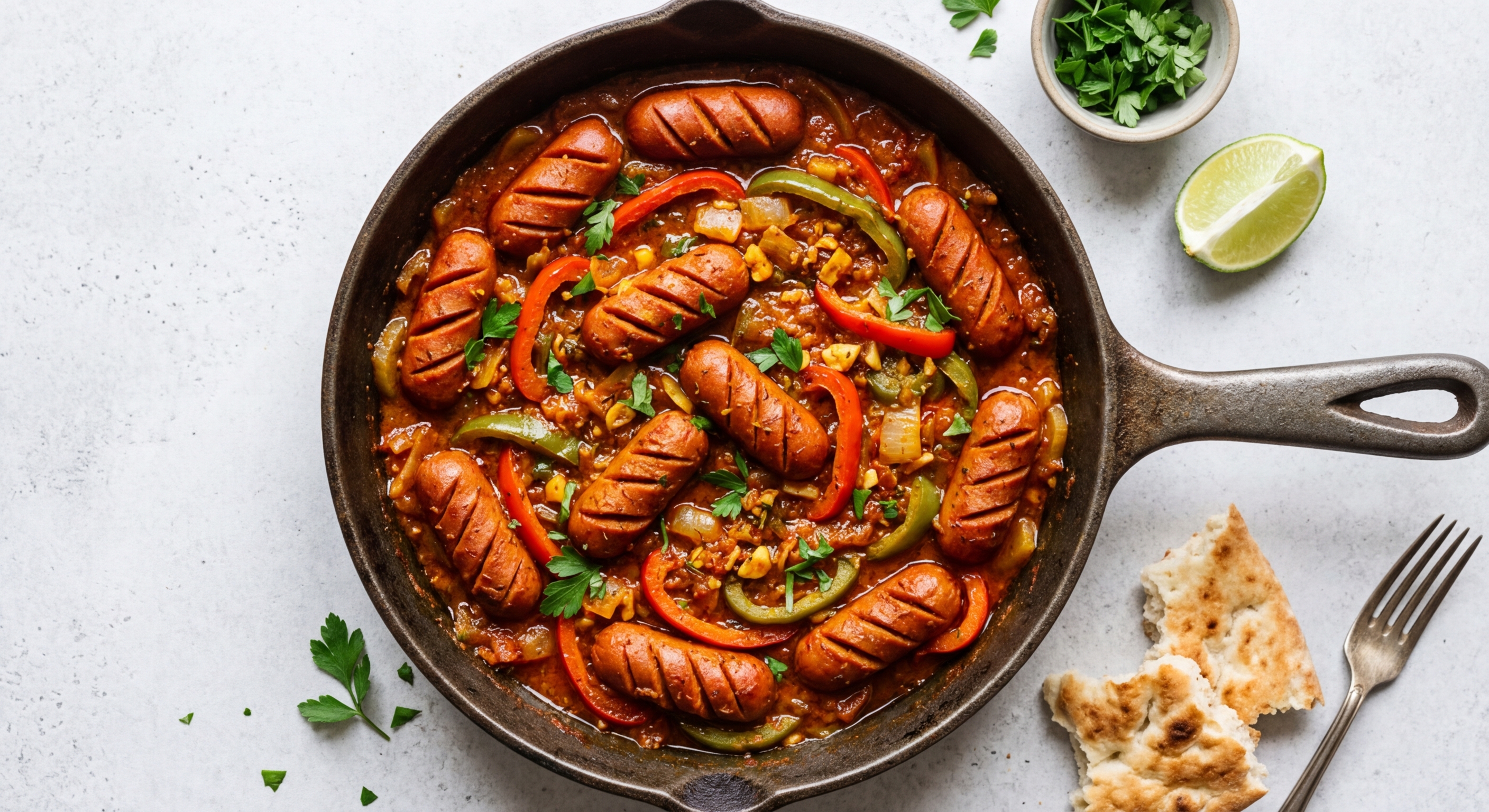
Sosis Bandari
Bandar Abbas, Iran
Sosis Bandari is not a sausage type. It is a dish: Iranian hot dog sausages cut into pieces or scored lengthwise, then cooked down in a spicy tomato sauce with onions, bell peppers, garlic, turmeric, curry powder, and fresh chili. The name means port sausage, from Bandar Abbas on the Persian Gulf coast. Street vendors and sandwich shops across Iran serve it stuffed into a baguette or noon barbari flatbread, sometimes loaded with fried potatoes. It is the country's most consumed fast food after kebab.
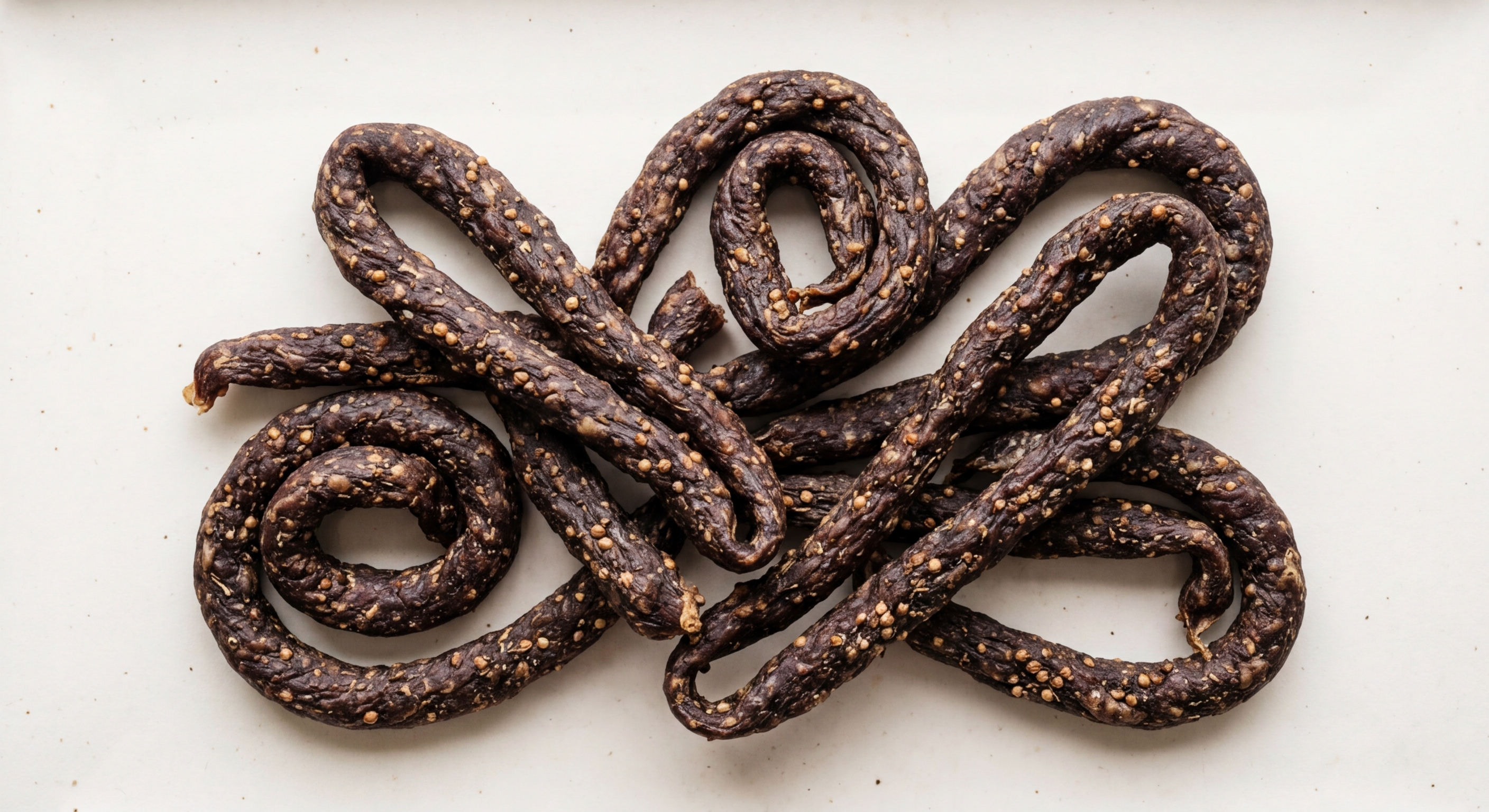
Droëwors
Gauteng, South Africa
Droëwors is the dried version of boerewors: a thin beef sausage stuffed into narrow casings and hung in dry air for several days until firm, dark, and reduced to a fraction of its original weight. The name is Afrikaans for 'dry sausage'. No smoke, no heat, just airflow. The coriander dominates every bite, toasted and cracked before mixing, and the concentrated beef and fat hold the spice in a dense, chewy structure. South Africans eat droëwors as a snack at rugby matches, on road trips, at braais, and out of paper bags at airport shops on the way home.
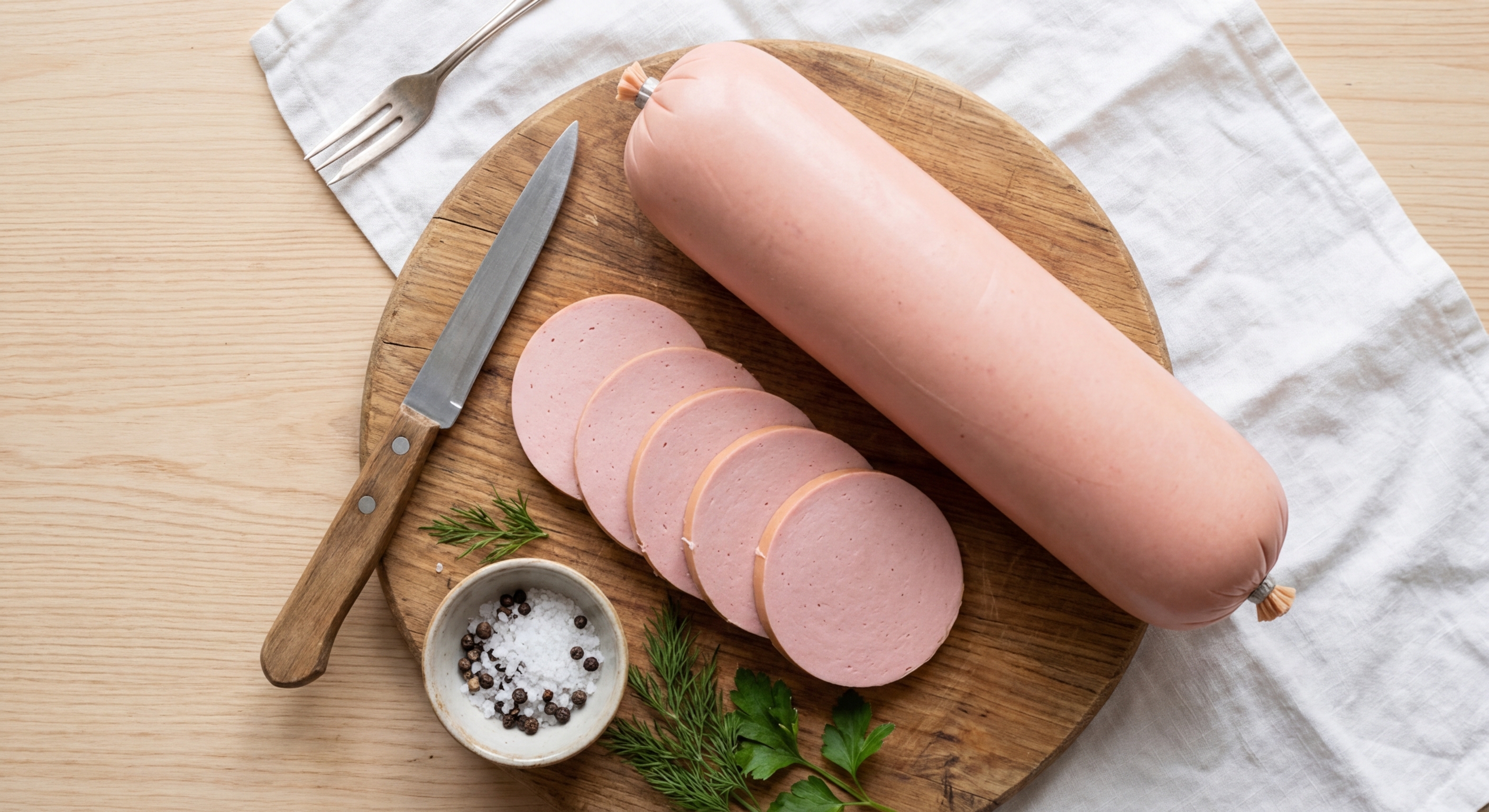
Doktorskaya Kolbasa
Moscow, Russia
The sausage of the Soviet Union. Doktorskaya Kolbasa (Doctor's Sausage) was created in 1936 under a government directive to produce a nutritious food for people recovering from illness, specifically those whose health had been ruined by tsarist deprivation. The name was not ironic. The People's Commissariat of Food Industry wrote the original GOST recipe: beef, pork, eggs, milk, salt, sugar, a touch of nutmeg and cardamom. No fillers. No fat scraps. A pale pink log of emulsified protein, smooth as paste, sold by the kilogram from behind glass counters in state gastronoms across eleven time zones. Every Soviet citizen ate it. Most ate it often. It was cheap, always available, and tasted of nothing offensive. Sliced cold on buttered black bread, it fed workers, schoolchildren, and pensioners alike. Decades of nostalgia are baked into every bite for anyone who grew up in the USSR or its successor states.
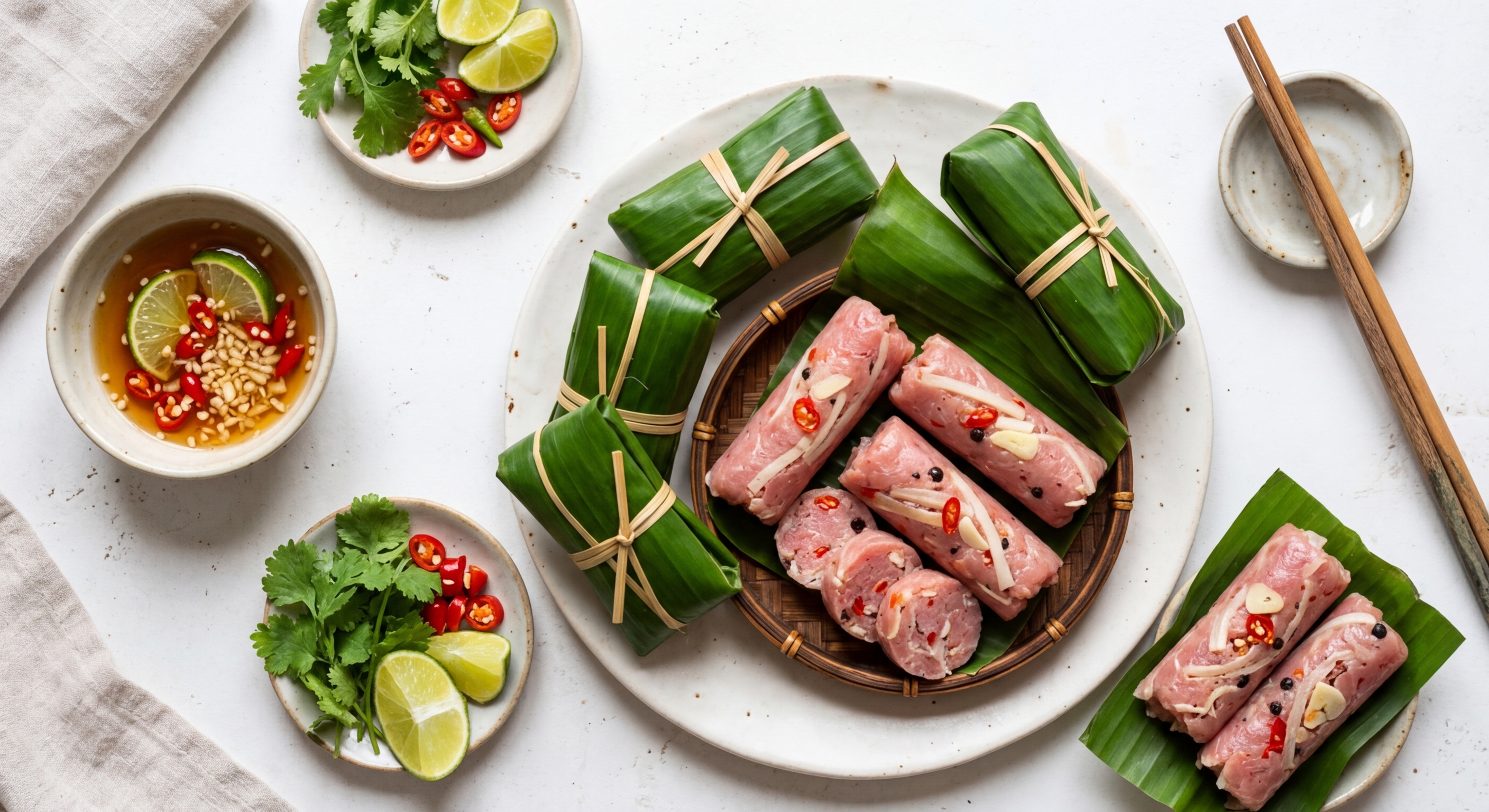
Nem Chua
Thanh Hóa, Vietnam
Nem chua is a Vietnamese fermented pork sausage eaten raw, straight from its banana leaf wrapping. Made from lean pork pounded to a smooth paste, it incorporates strips of boiled pork skin (bì), garlic, fish sauce, sugar, and salt, then wrapped tightly in banana leaves and left to ferment at room temperature for three to five days. Lactic acid bacteria do the preserving work, acidifying the paste and firming the texture without any heat. The finished sausage is pink, fragrant with garlic, and sour from the ferment. Vendors sell it in small parcels tied with a strip of the same leaf. Buyers unwrap it at the table, often eating it with a toothpick alongside fresh chilli slices and pickled garlic. The most cited origin is Thanh Hóa province in north-central Vietnam, where the technique and proportions have a long history. Versions from Lai Vung in Đồng Tháp and Bình Định province each have local champions, but Thanh Hóa remains the benchmark.
Taiwanese Sausage
Taipei & Taiwan
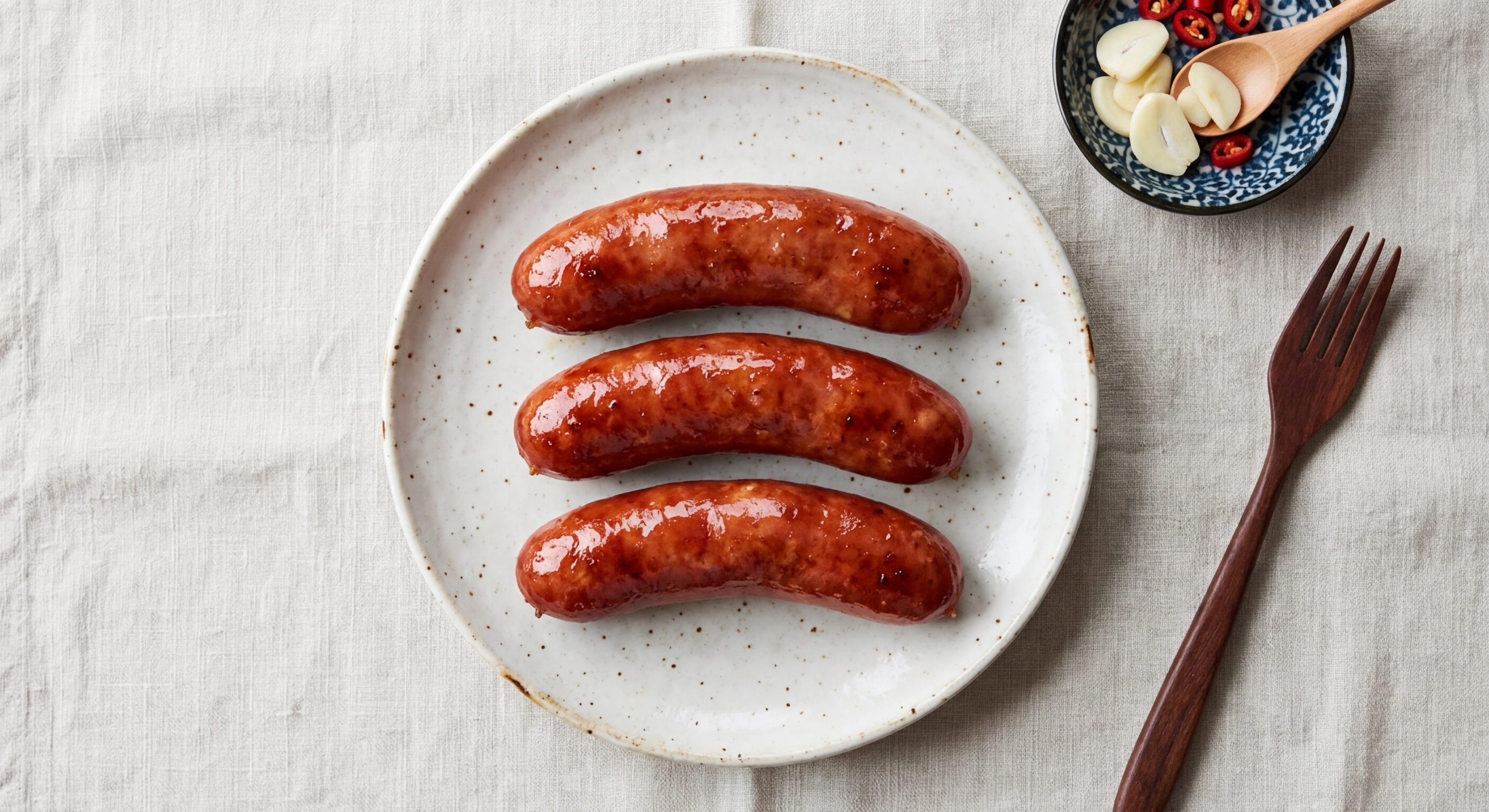
Taiwan's most recognisable street food: a short, plump pork sausage with a noticeable sweetness that sets it apart from every other Chinese-language sausage tradition. Fatty pork is seasoned with sugar, soy sauce, rice wine, five-spice powder, and garlic, then stuffed into natural casings and dried briefly before grilling over charcoal. The exterior caramelises where the sugar hits the heat, turning deep amber with small scorched patches. Inside, the fat and meat stay juicy. The sausage arrives on a bamboo skewer at every night market in the country, eaten bite by bite alongside thin raw garlic slices. The practice has its own saying: 一口香腸一口蒜 (one bite sausage, one bite garlic).
Chorizo Uruguayo
Montevideo & Uruguay
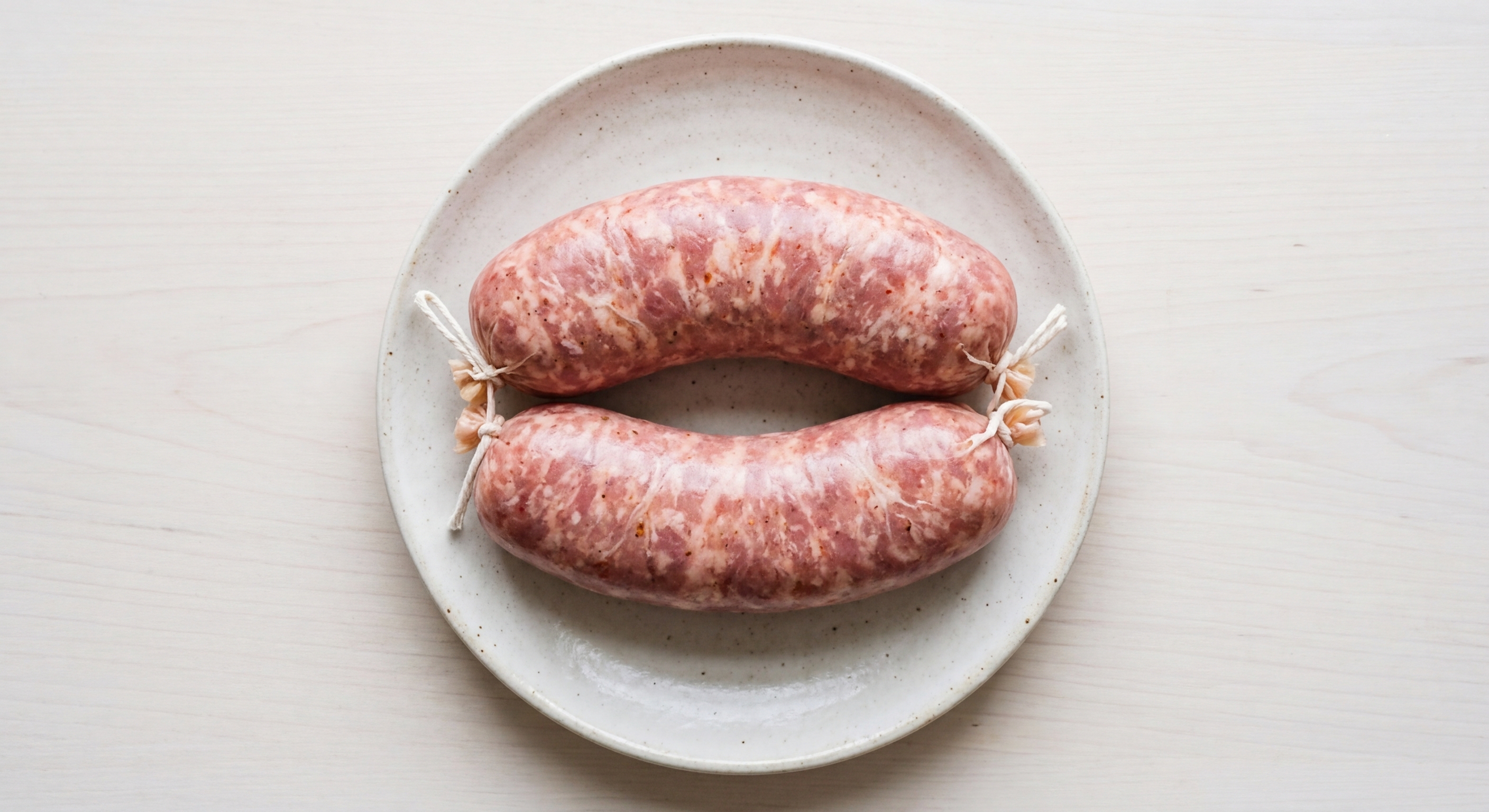
Uruguay has more cattle per person than any other country on earth, and this fact shapes everything about its food. But at an asado, the chorizo goes on the grill before the beef. These short, thick fresh pork sausages, seasoned with garlic, oregano, nutmeg, and black pepper, cook fast over hardwood embers while guests drink wine and wait for the main cuts. The asador checks them often. A skin that puffs and chars at the edges signals they are ready. The choripán, chorizo split and tucked into crusty bread with chimichurri or salsa criolla, is the street food that defines Montevideo. You find it at parrillas, at football stadiums, at Sunday markets, and at the smoke-filled stalls of the Mercado del Puerto.
Vossapølse
Voss, Norway
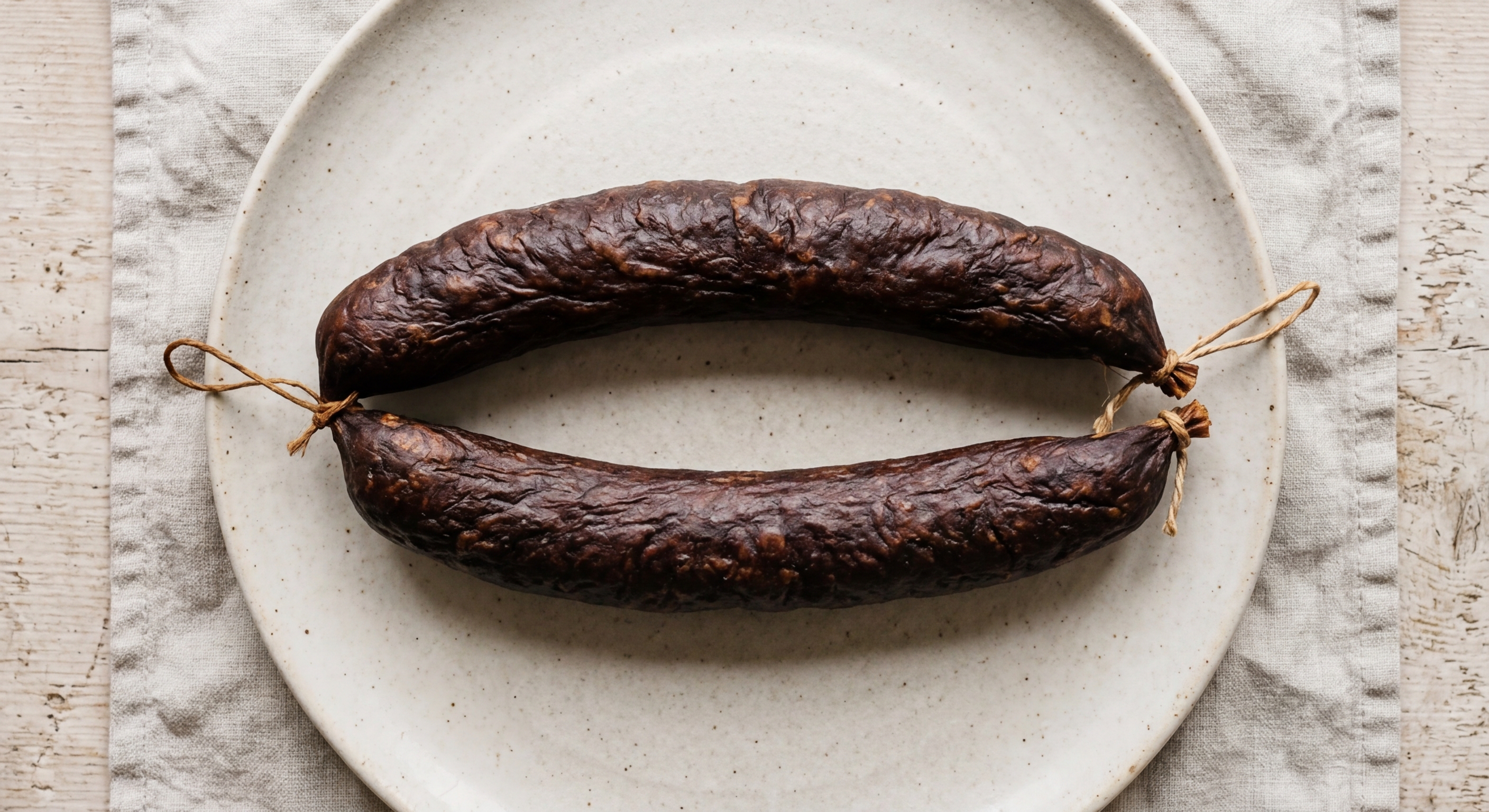
Vossapølse is a cold-smoked Norwegian sausage from the Voss district in Vestland county, western Norway. It is made from coarsely ground lamb or mutton, sometimes mixed with a portion of beef, seasoned with salt, pepper, and occasionally ginger, then stuffed into natural casings and cold-smoked over birch or juniper wood for several days. The finished sausage is dark brown on the outside, firm and dense in the hand, and carries a pronounced smoke that reads clean rather than heavy. The lamb gives it a gamey depth that separates it from any pork sausage of similar type. Norway awarded it Protected Geographical Indication status, tying the name to production in the Voss region using traditional methods. Locals eat it sliced cold on bread, or pan-fried and served hot alongside boiled potatoes and creamed cabbage in the weeks around Christmas.
Chicago Hot Dog
Chicago, USA
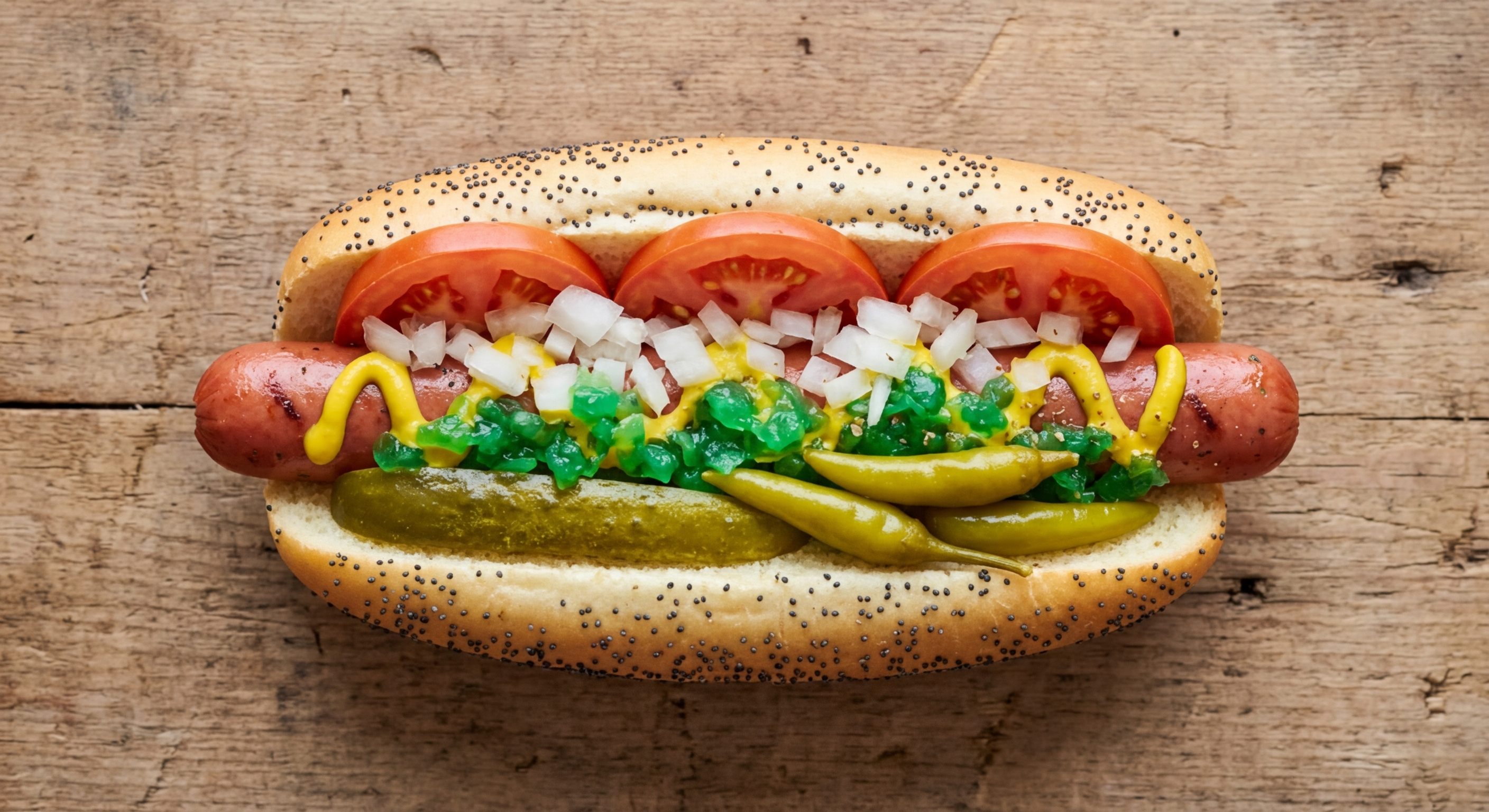
The Chicago hot dog is an all-beef frankfurter in a steamed poppy seed bun, topped with seven specific ingredients in a fixed order: yellow mustard, neon green sweet relish, chopped white onion, tomato slices or wedges, a dill pickle spear, sport peppers, and a shake of celery salt. Chicagoans call this being dragged through the garden. Ketchup is not part of the build. This is not a preference or a guideline: it is a cultural rule enforced with the seriousness of a civic ordinance. The sausage itself is a natural-casing all-beef frankfurter, cooked by steaming or simmering, never grilled in the traditional preparation. The snap of the casing when you bite through it, followed by the hot, seasoned beef inside, is the textural baseline everything else is built on.
Recipes
Cook something new today
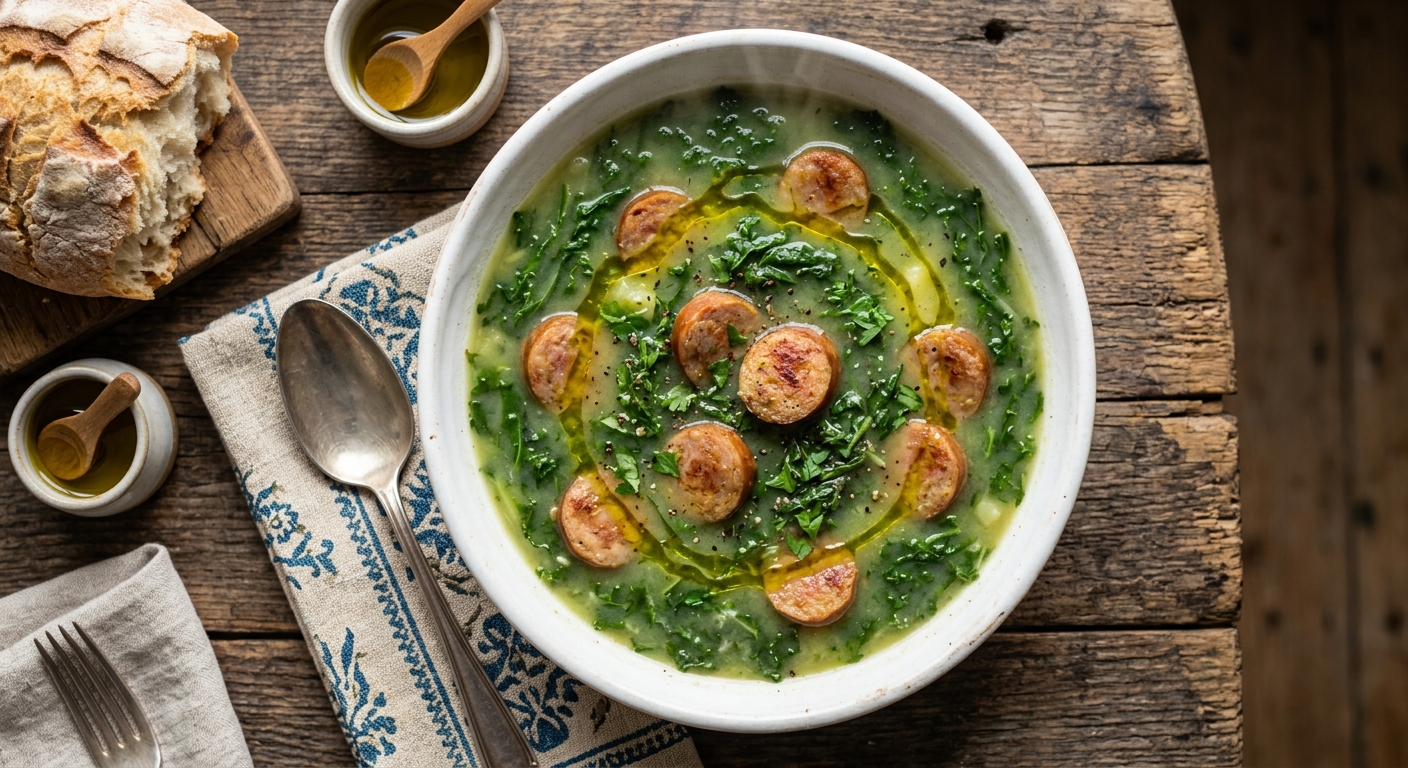
Caldo Verde with Alheira
Alheira
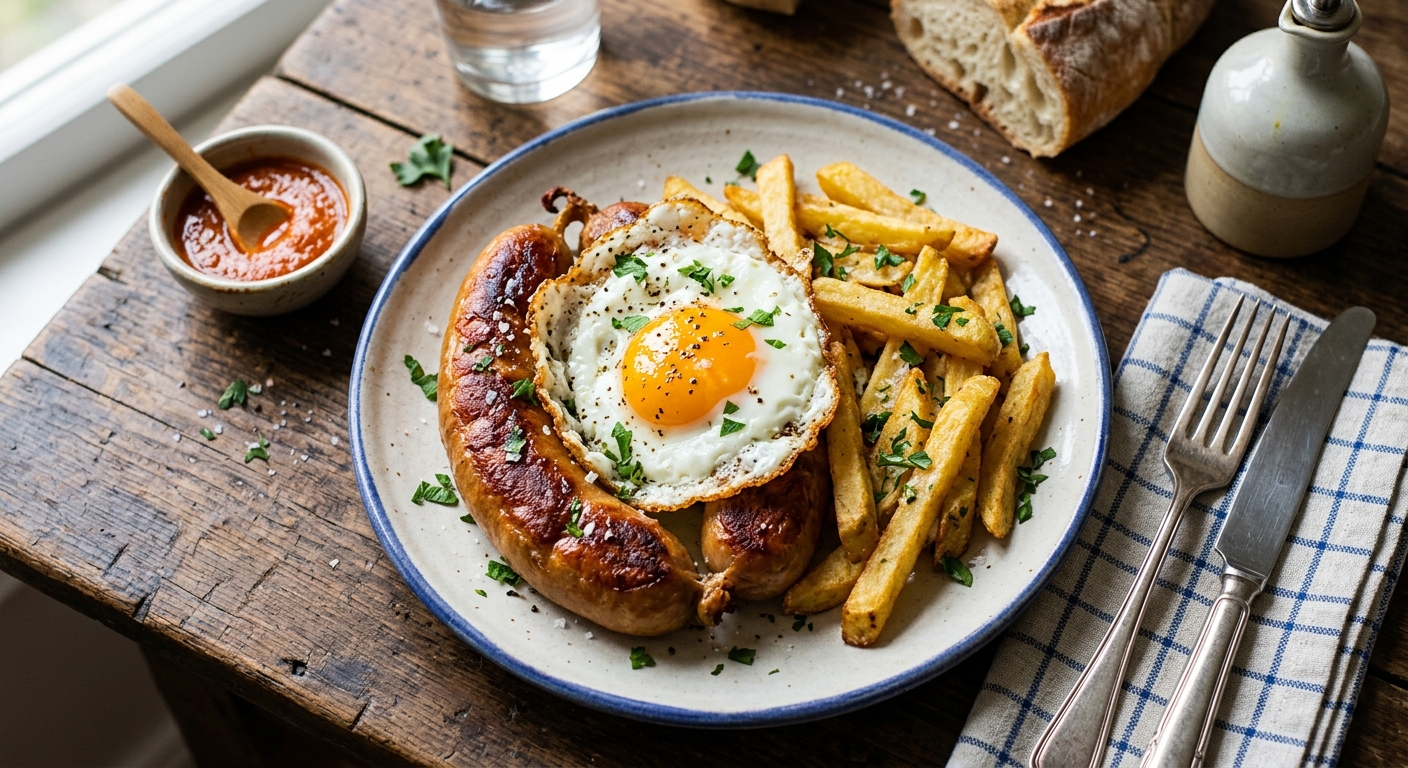
Alheira Frita com Ovo e Batatas
Alheira
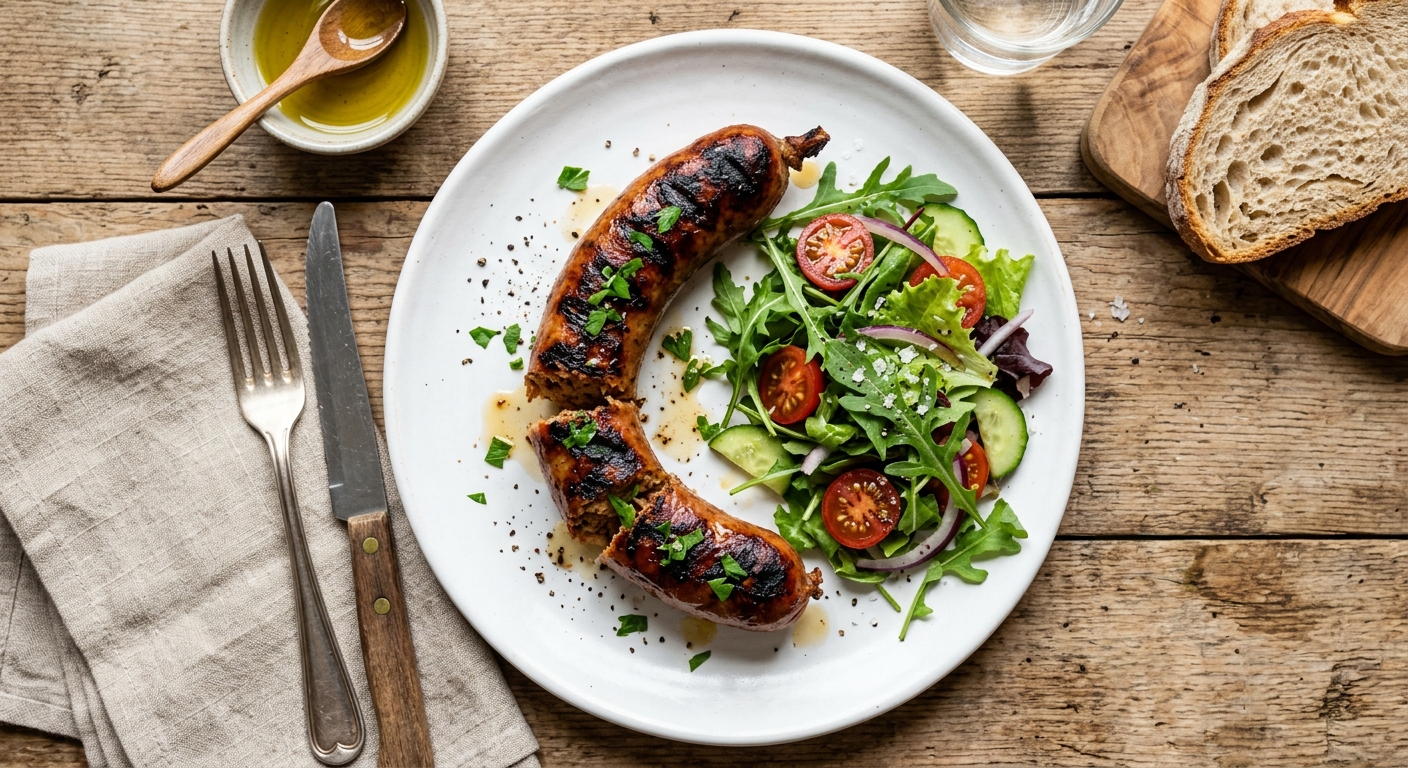
Alheira Grelhada
Alheira
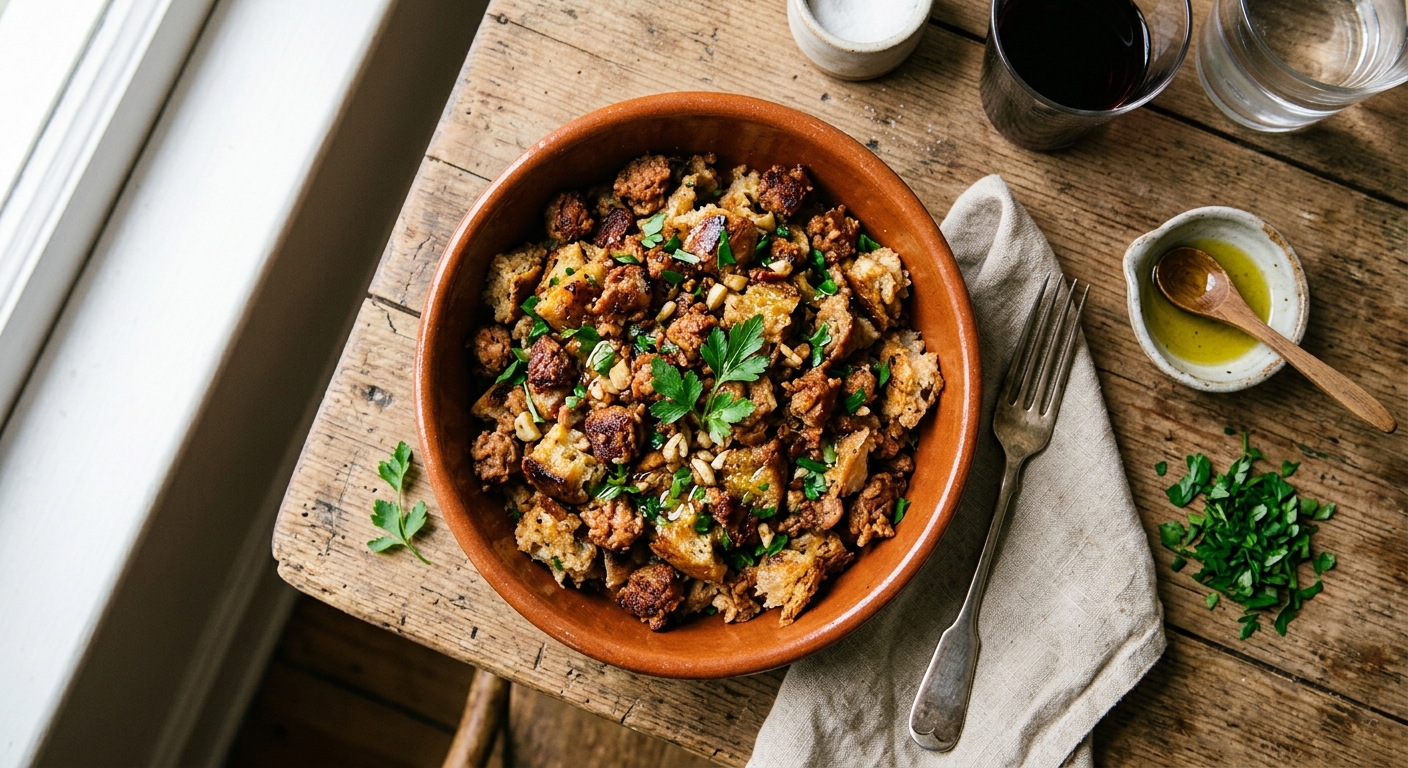
Migas de Alheira
Alheira
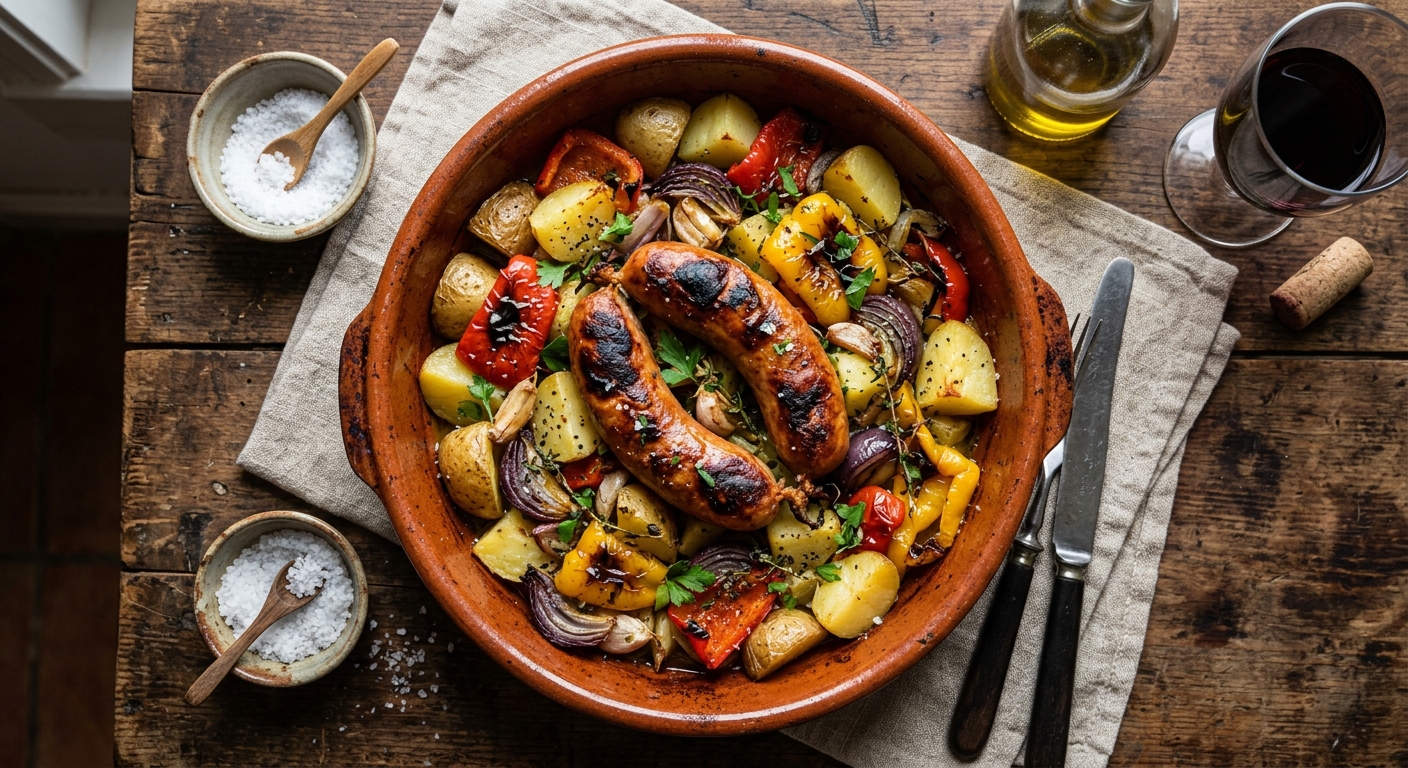
Alheira no Forno com Legumes
Alheira
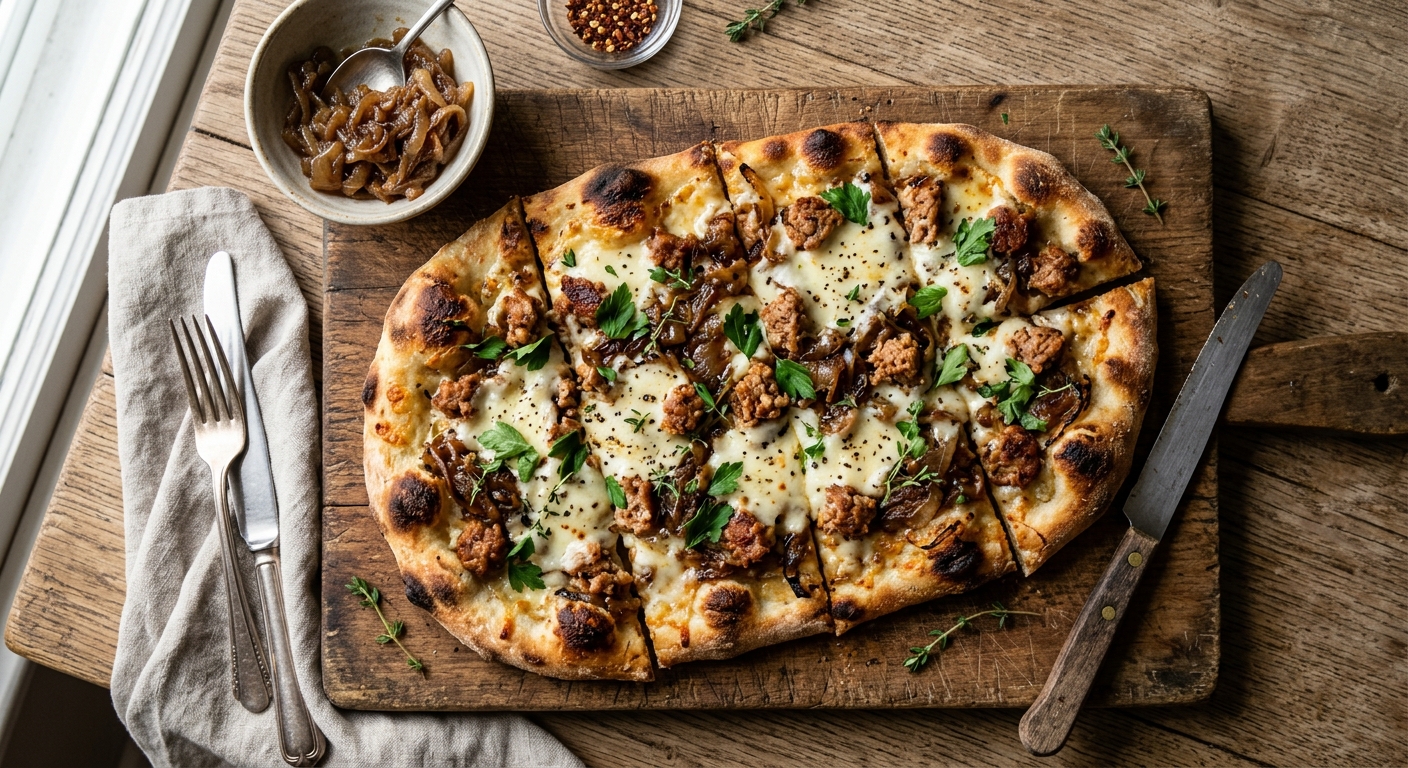
Flatbread with Crumbled Alheira
Alheira
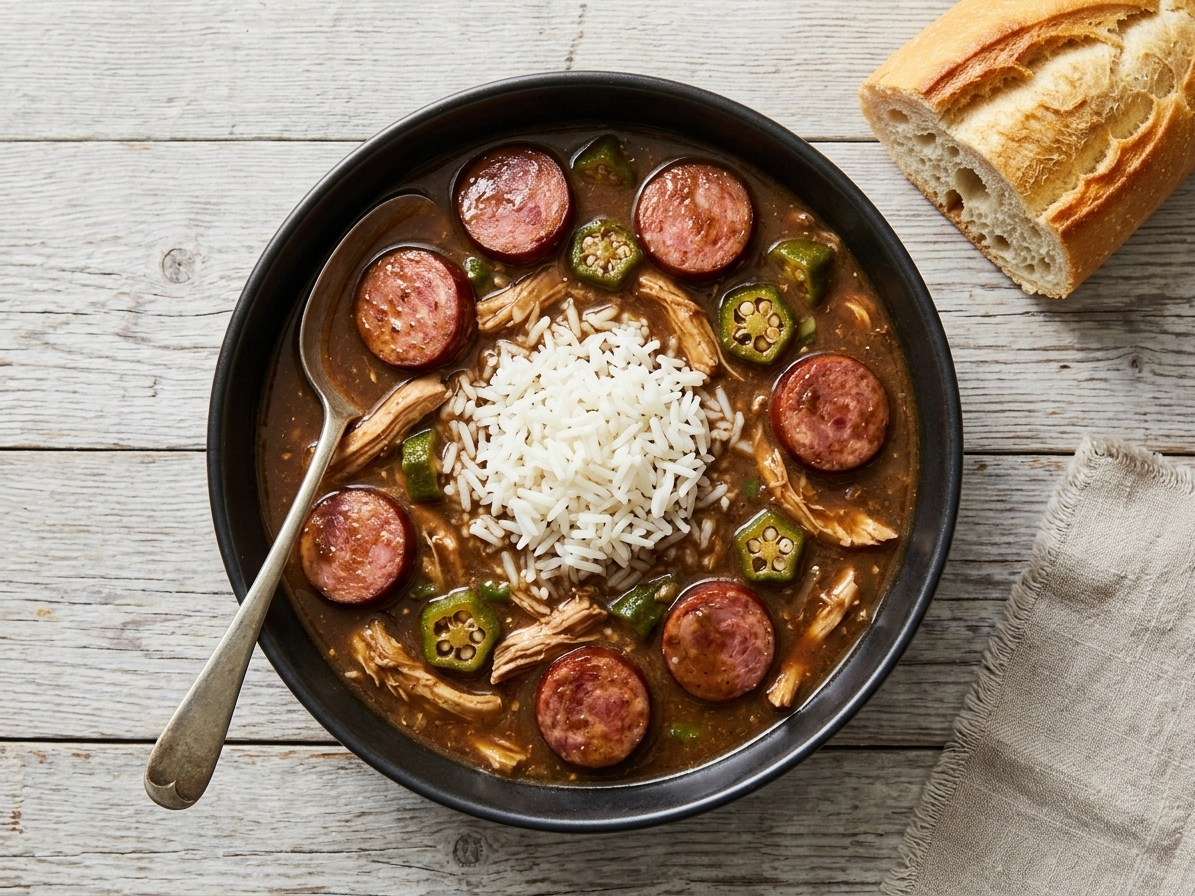
Chicken & Andouille Gumbo
Andouille
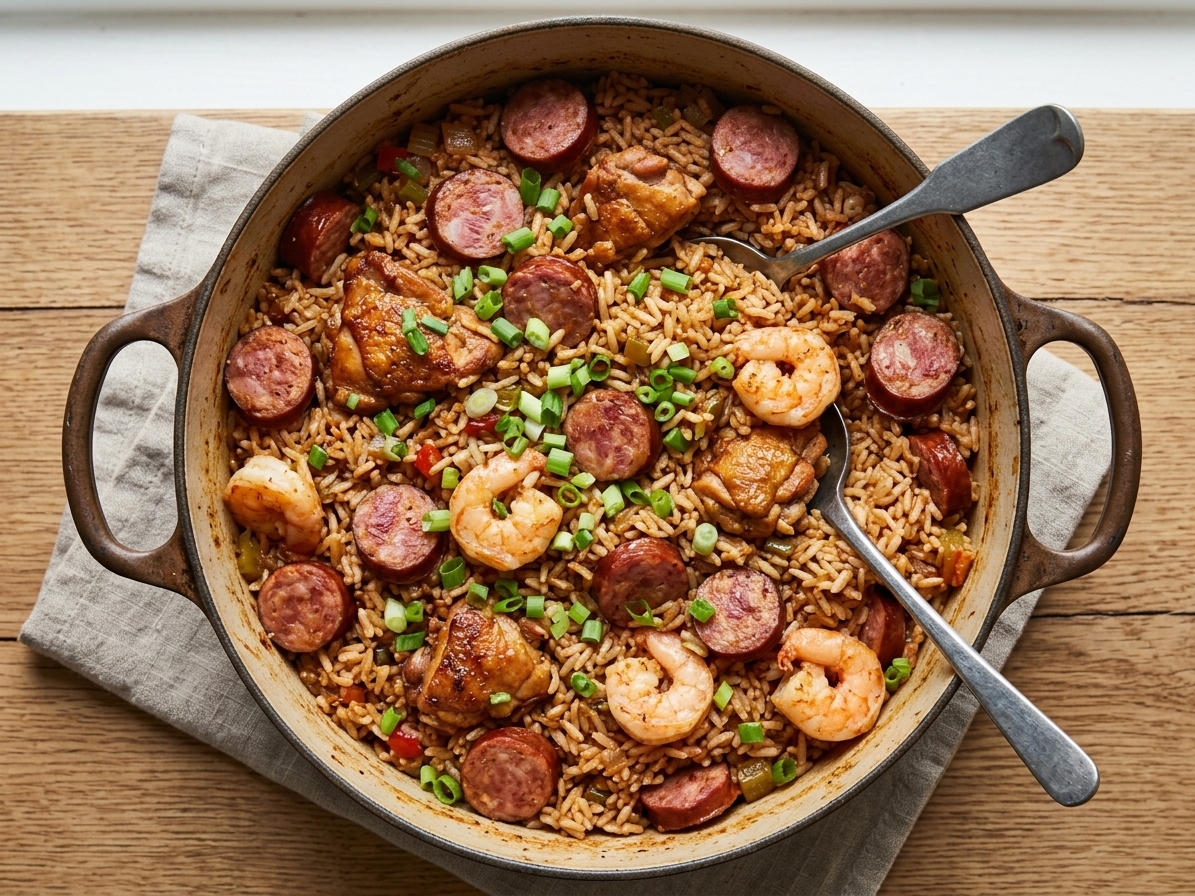
Cajun Jambalaya
Andouille
Explore the World
Sausages, producers, and restaurants on the map
Where to Buy
Butchers, farms, and market stalls
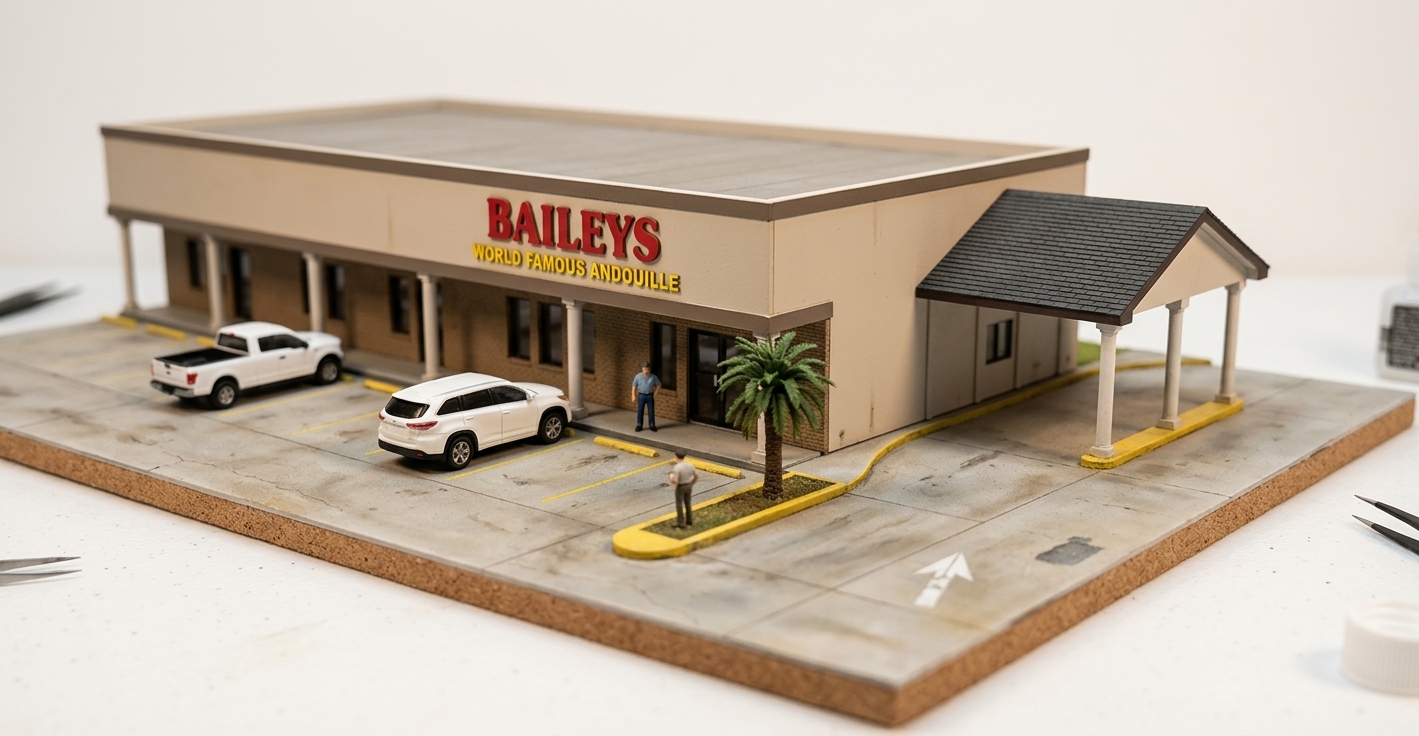
Bailey's Andouille
LaPlace, United States
A family-run andouille shop on Airline Hwy in LaPlace, the Andouille Capital of the World. Bailey's has built a devoted local following for their hand-stuffed, pecan-smoked andouille sausage. The strip mall storefront with the big red and yellow sign is a LaPlace landmark. Ships nationwide.
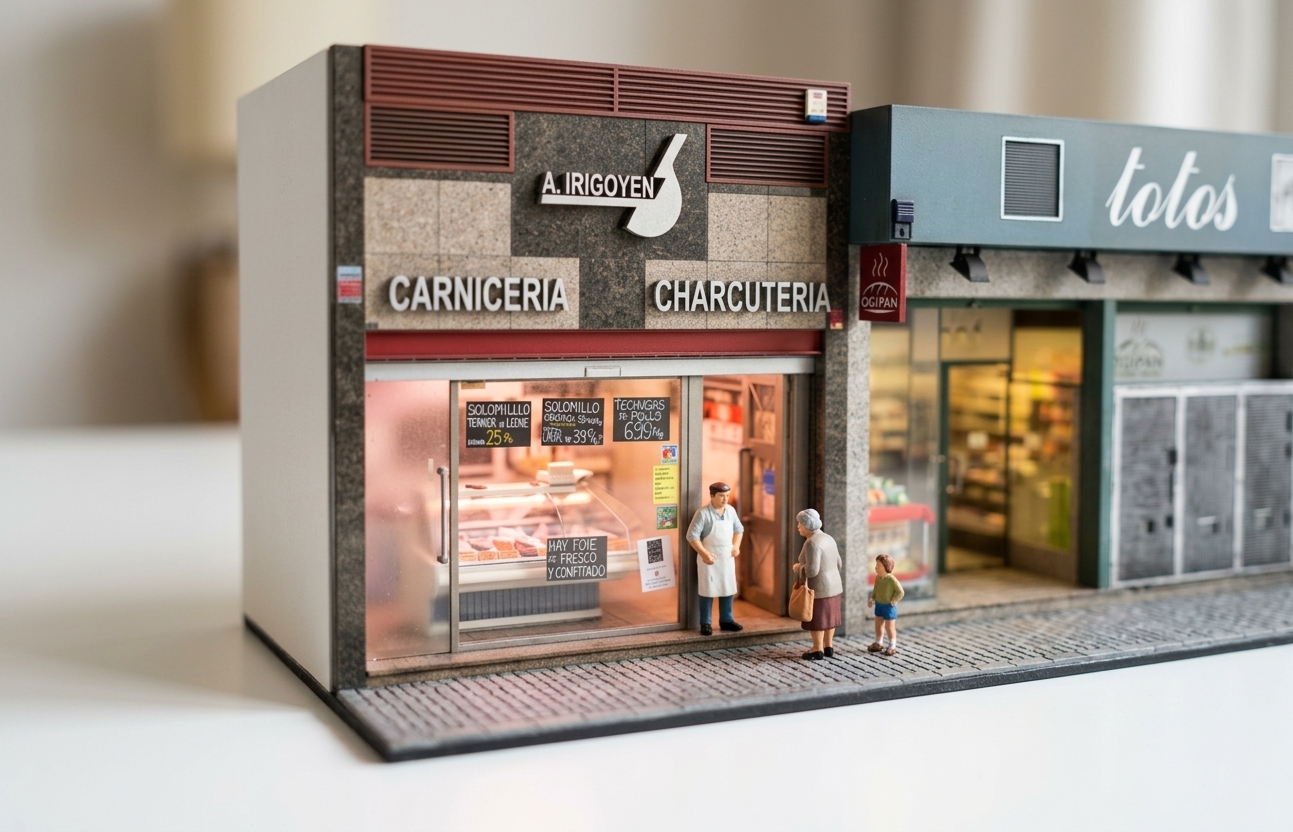
Carnicería A. Irigoyen
Pamplona, Spain
Family butchery in Pamplona's San Juan neighborhood, open for over 50 years. Won first prize at the XIII Navarre Txistorra Competition in 2018, making their chistorra the best in the region that year. They also do Navarran lamb and beef. Home delivery available in Pamplona.
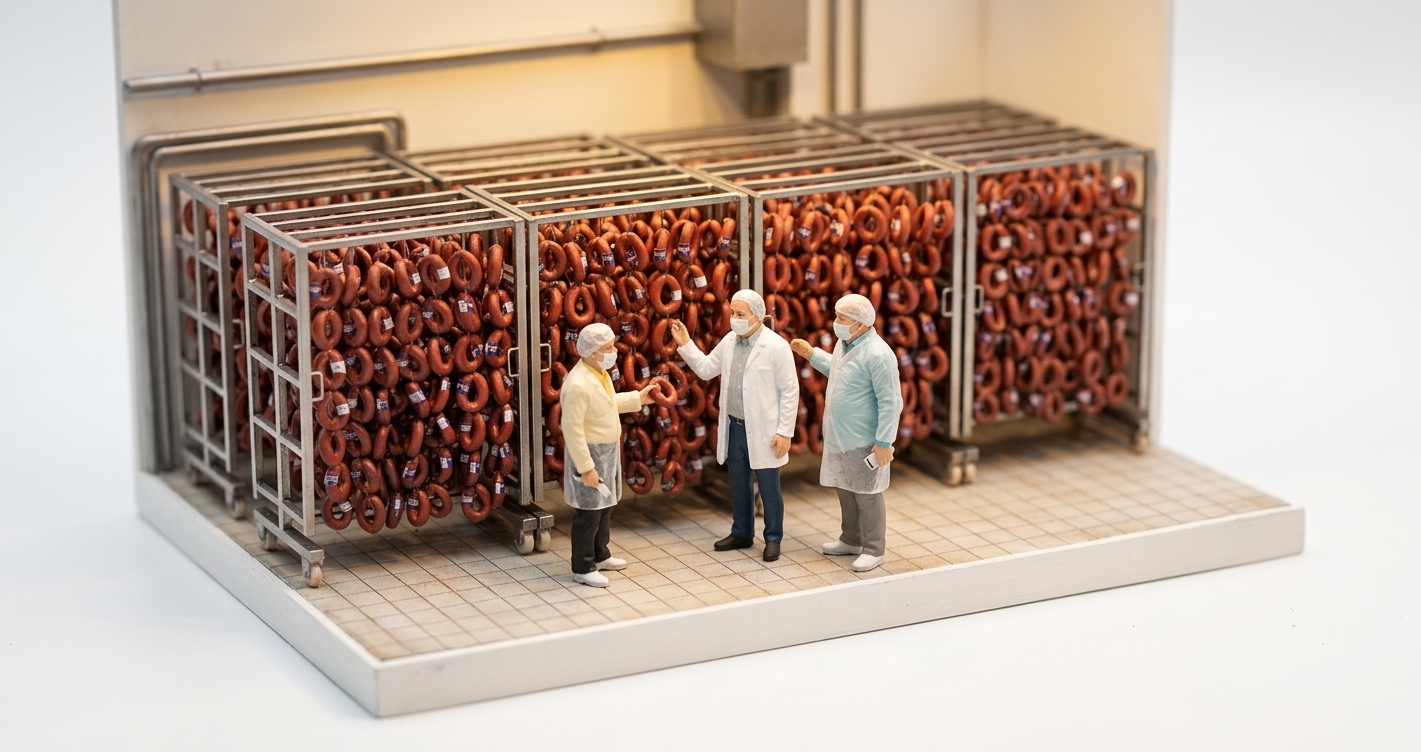
Cumhuriyet Sucukları
Afyonkarahisar, Turkey
Founded in 1923 by a butcher known as Kasap Kara Mehmet in Afyonkarahisar, the sucuk capital of Turkey. Cumhuriyet combines traditional Afyon recipes with modern production: 100% beef, no heat treatment, fermented and air-dried. Their sucuk carries the weight of the Afyon geographical indication, which gained EU protected status.
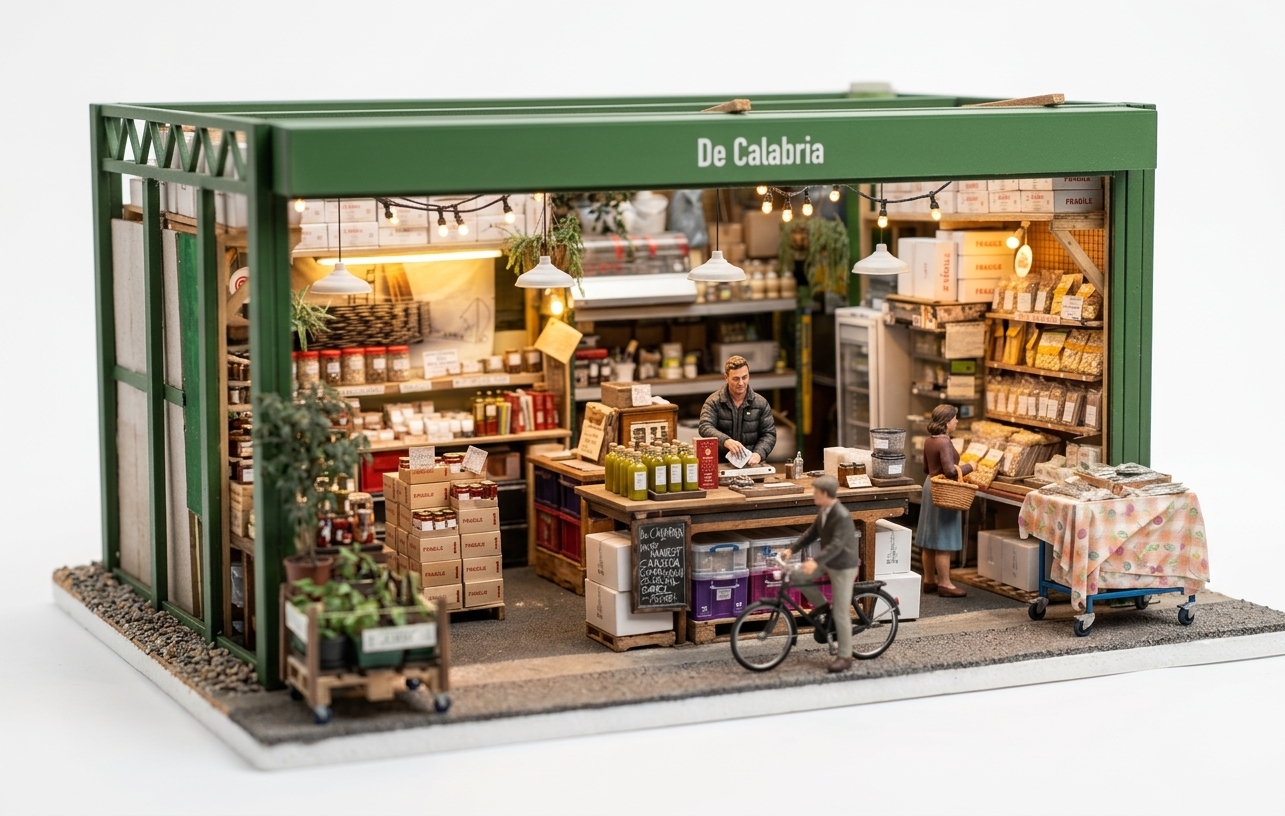
De Calabria
London, United Kingdom
A Calabrian specialty stall at London's Borough Market, run by Giuseppe Mele, importing 'nduja and other cured meats direct from Calabria. They also serve fresh 'nduja pasta on-site. Open Thursday through Saturday. One of the best sources for authentic 'nduja outside Italy.
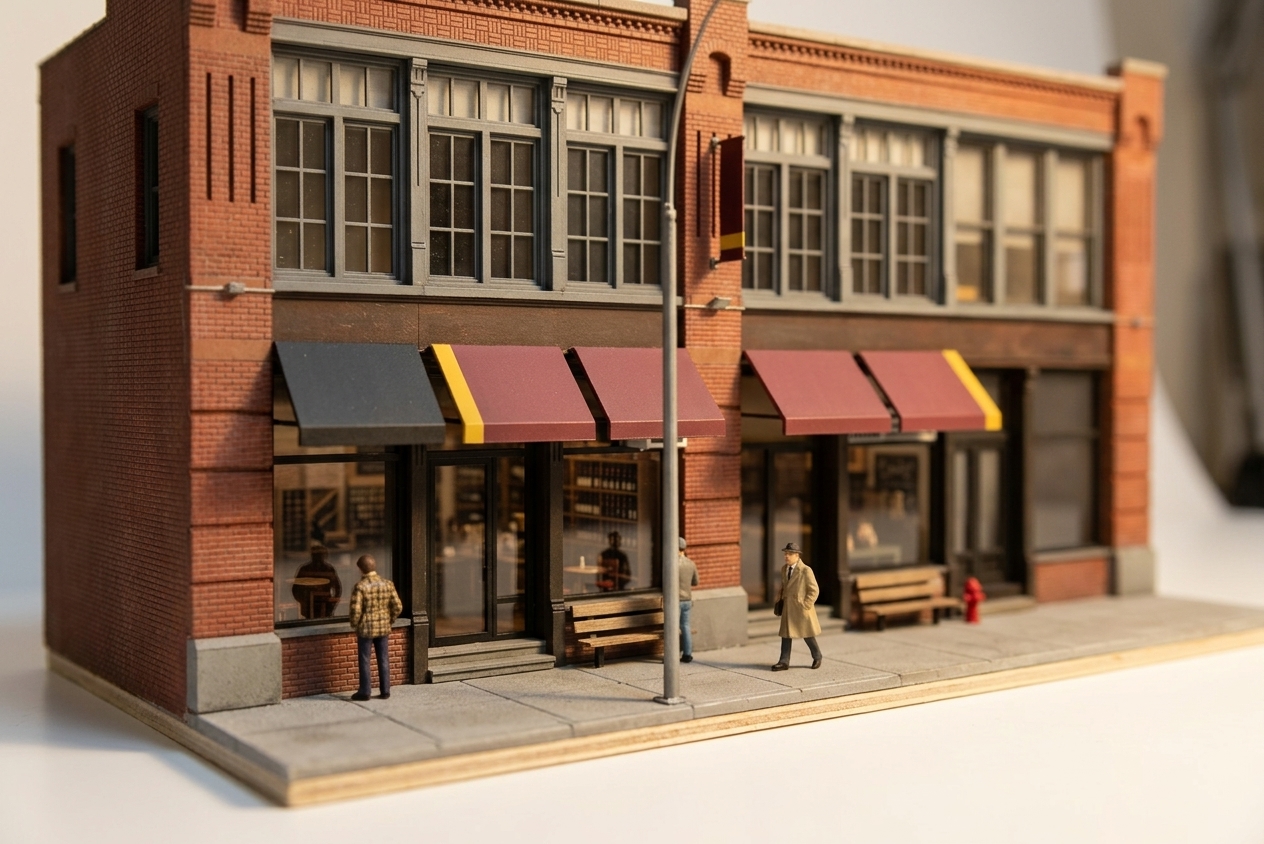
Despaña Fine Foods
New York, United States
Spanish deli and tapas cafe in SoHo, Manhattan, operating since 1971. They make their own chistorra in New York using imported Pimentón de La Vera. The retail shop carries Spanish cheeses, jamón, and pantry staples. The attached cafe serves patatas bravas con chistorra. The primary source for authentic chistorra in the United States.
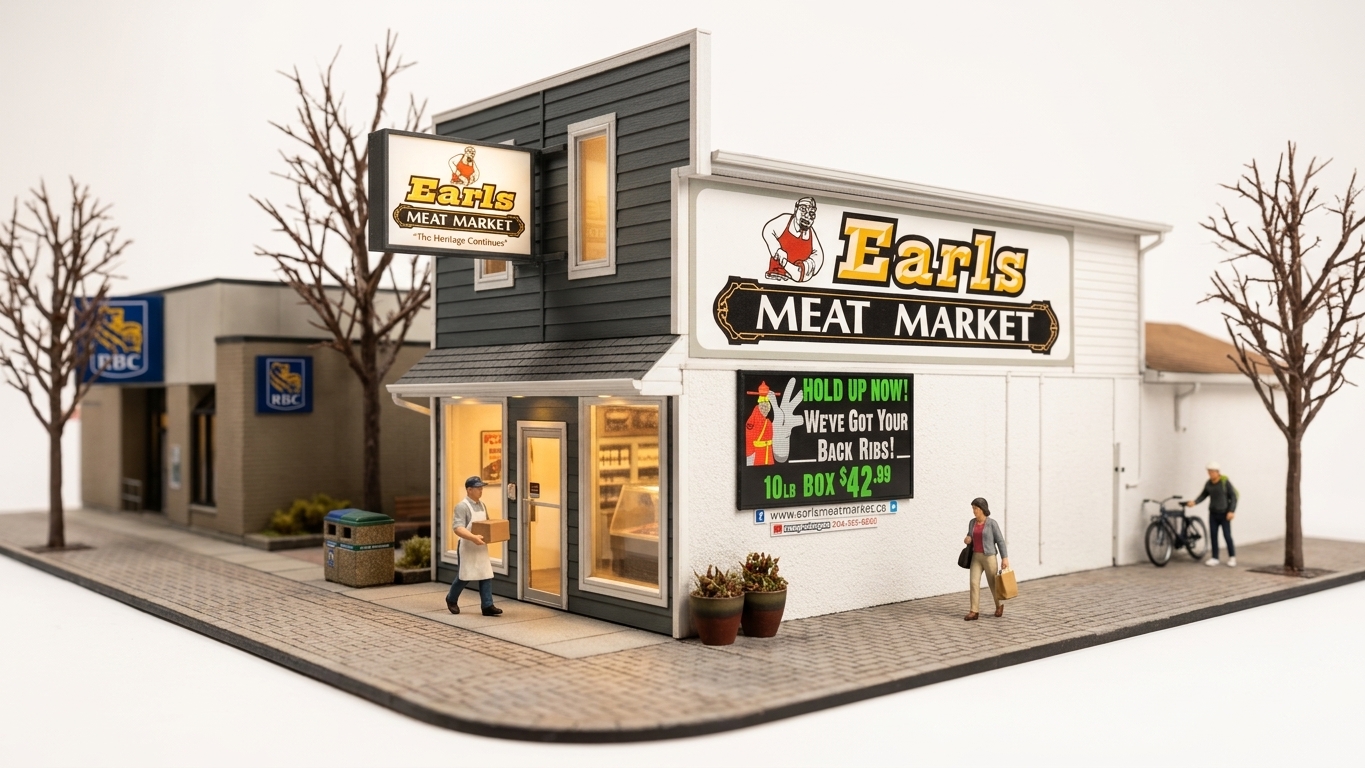
Earls Meat Market
Steinbach, Canada
Earl Funk opened this custom-cut butcher shop in Steinbach in 2005, committed to buying only local, naturally raised beef and pork. His farmer's sausage recipe comes from four generations of meat cutters in his family. The pork is sourced from Manitoba farms, ground on-site, and smoked in their own smokehouse behind the shop.
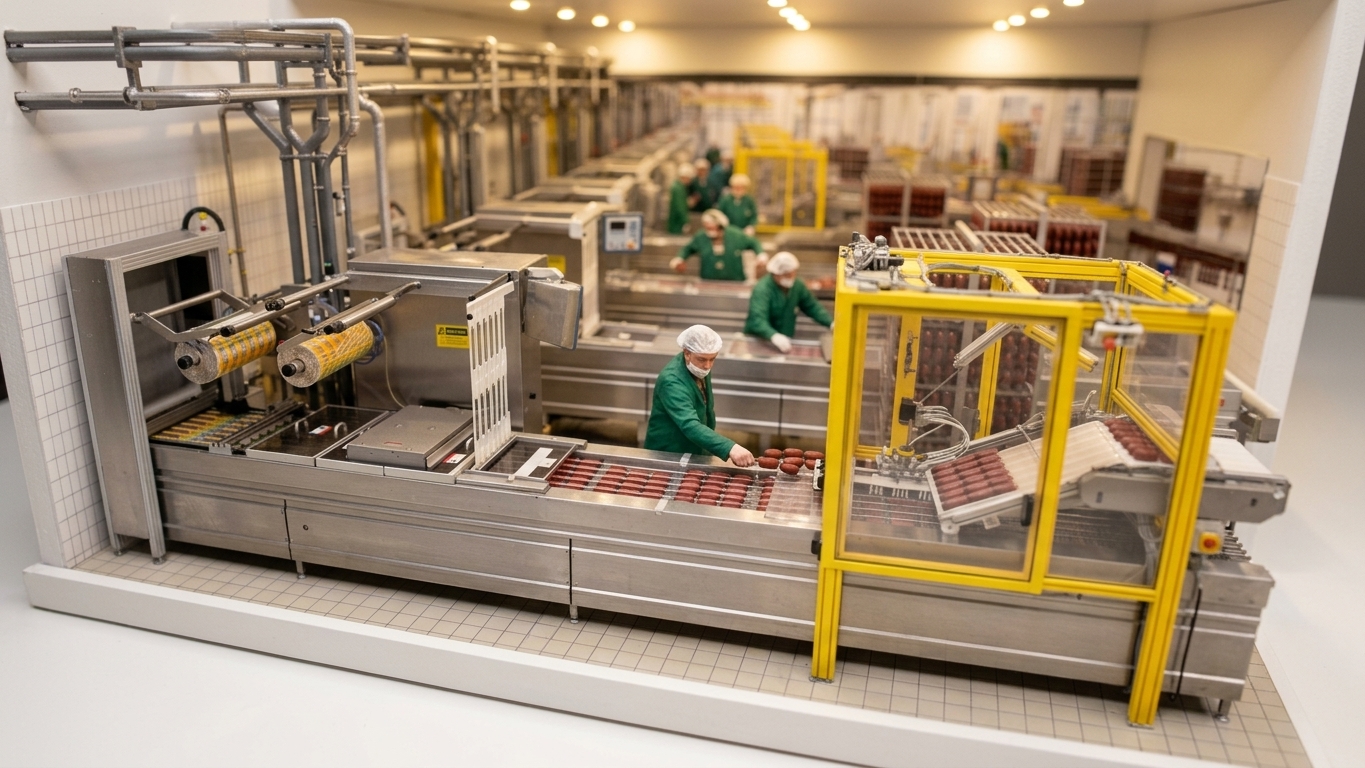
Egetürk
Cologne, Germany
Europe's largest halal meat producer, based in Cologne since 1966. Egetürk makes multiple sucuk varieties including Afyon-style and Kayseri-style, producing 150 tons per day. Their products are sold across Europe and North America. What started as a small Turkish butcher shop serving Cologne's guest worker community grew into an industrial-scale operation that kept the traditional recipes intact.
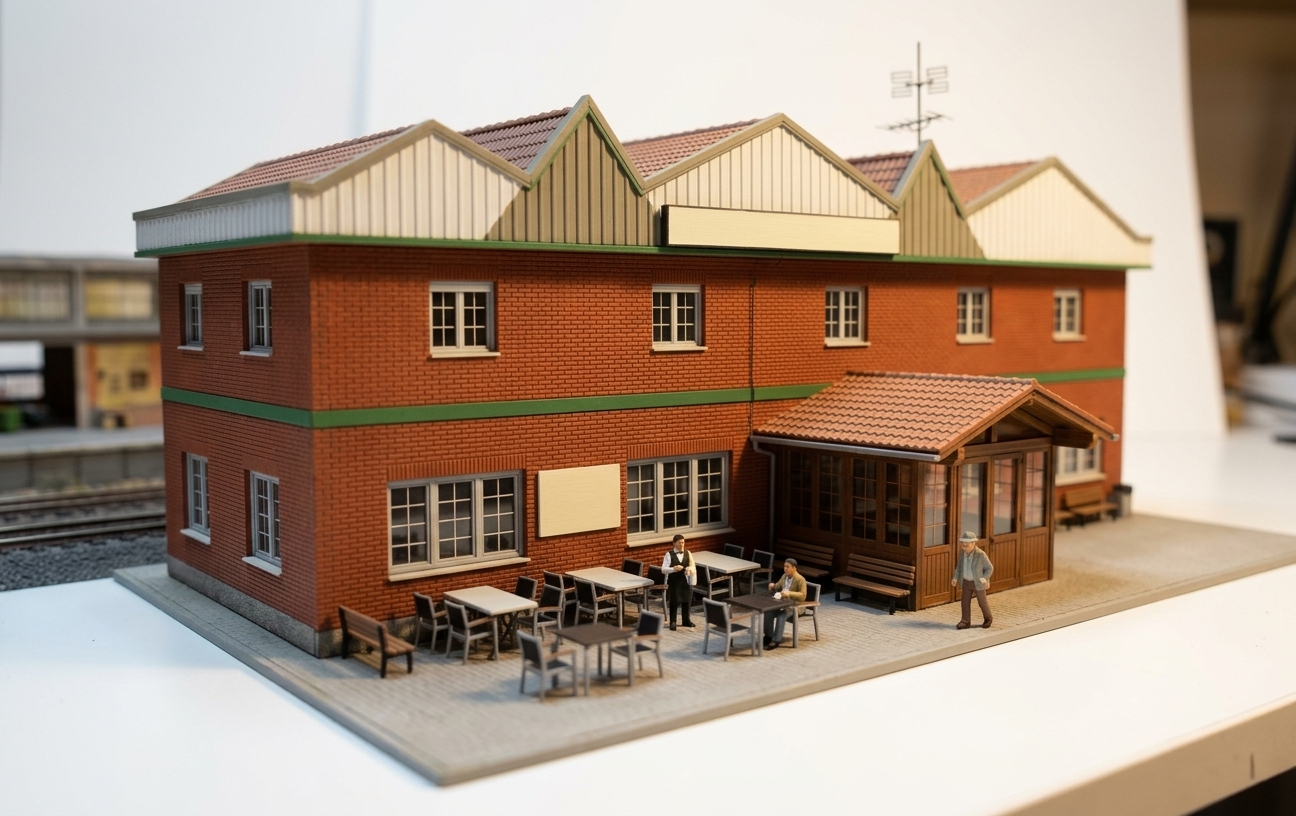
Embutidos Ezequiel
Villamanín, Spain
A family-run producer in Villamanín, León, making IGP Chorizo de León for over 75 years. Their chorizos are coarse-ground, heavily smoked over oak, and cured in the cold mountain air of the Cantabrian foothills. They run an on-site restaurant where you can eat their products with local bread and wine.
Where to Eat
The best spots to eat sausage
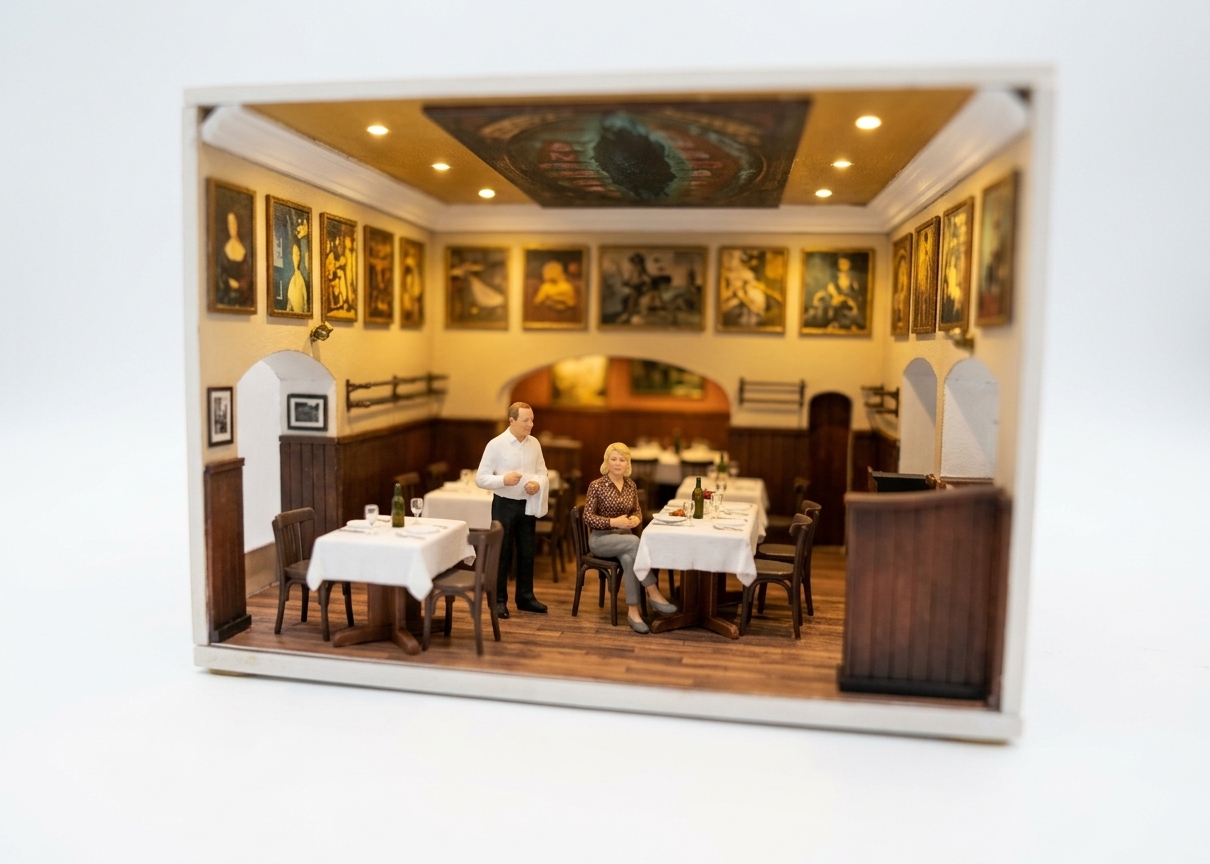
Agut
Barcelona, Spain
Agut opened in 1924 in the Barri Gòtic of Barcelona, on Carrer d'en Gignàs near the waterfront. It is a small, dark restaurant with bare stone walls, low ceilings, and a menu that has not tried to modernise. Botifarra amb mongetes is a permanent fixture, alongside bacallà amb arros, fideus a la cassola, and grilled veal. The wine list focuses on Catalan and Spanish bottles. Lunch is the main service; weekday tables fill with professionals from the nearby offices. At weekends the restaurant draws Barcelonans who want a specific meal in a specific room without fuss or theatre. The kitchen treats Catalan cooking as a daily discipline rather than a heritage performance. Prices are honest for what is on the plate.
Known For: No-frills traditional Catalan cooking in a century-old Gòtic dining room
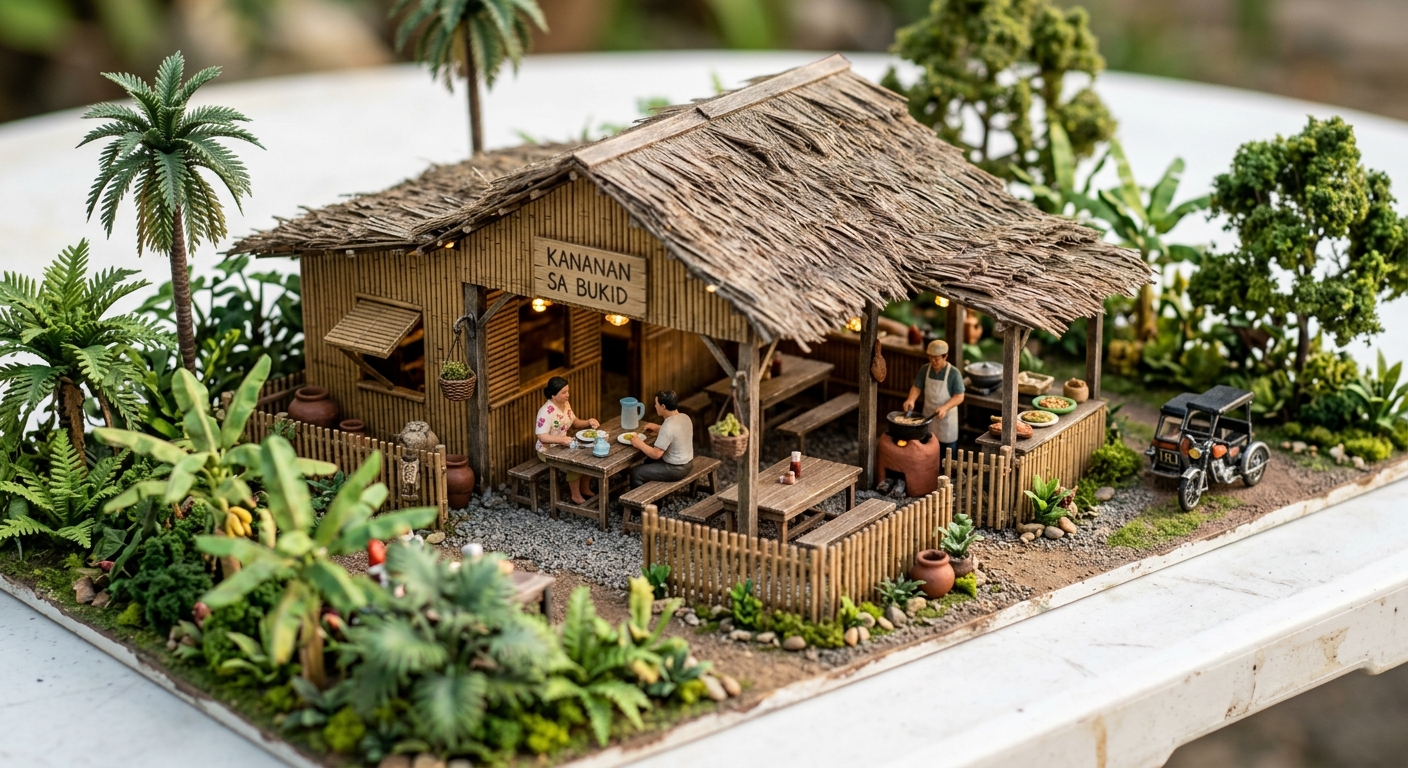
Apag Marangle
Guagua, Philippines
Apag Marangle opened in Guagua, Pampanga, with a menu built around the traditional Kapampangan communal meal format called salu-salo. The name translates roughly to come, let's eat together. The restaurant serves the full repertoire of regional dishes: kare-kare, sisig, lechon kawali, betute (stuffed deep-fried frog), and longganisa from the Guagua style, the garlicky sour type distinct to this part of southern Pampanga. The longganisa de recado from this region is denser and more acidic than the hamonado versions made in San Fernando and Angeles, cured with vinegar and packed with whole garlic cloves. Dishes arrive in the traditional banquet style at the table, meant for sharing across a group. The setting in Guagua, the municipal origin of the Guagua longganisa style, makes this the most contextually appropriate place in the region to eat the sausage. A second location operates in Angeles City.
Known For: Longganisa de recado (Guagua style), kare-kare, betute, communal salu-salo dining
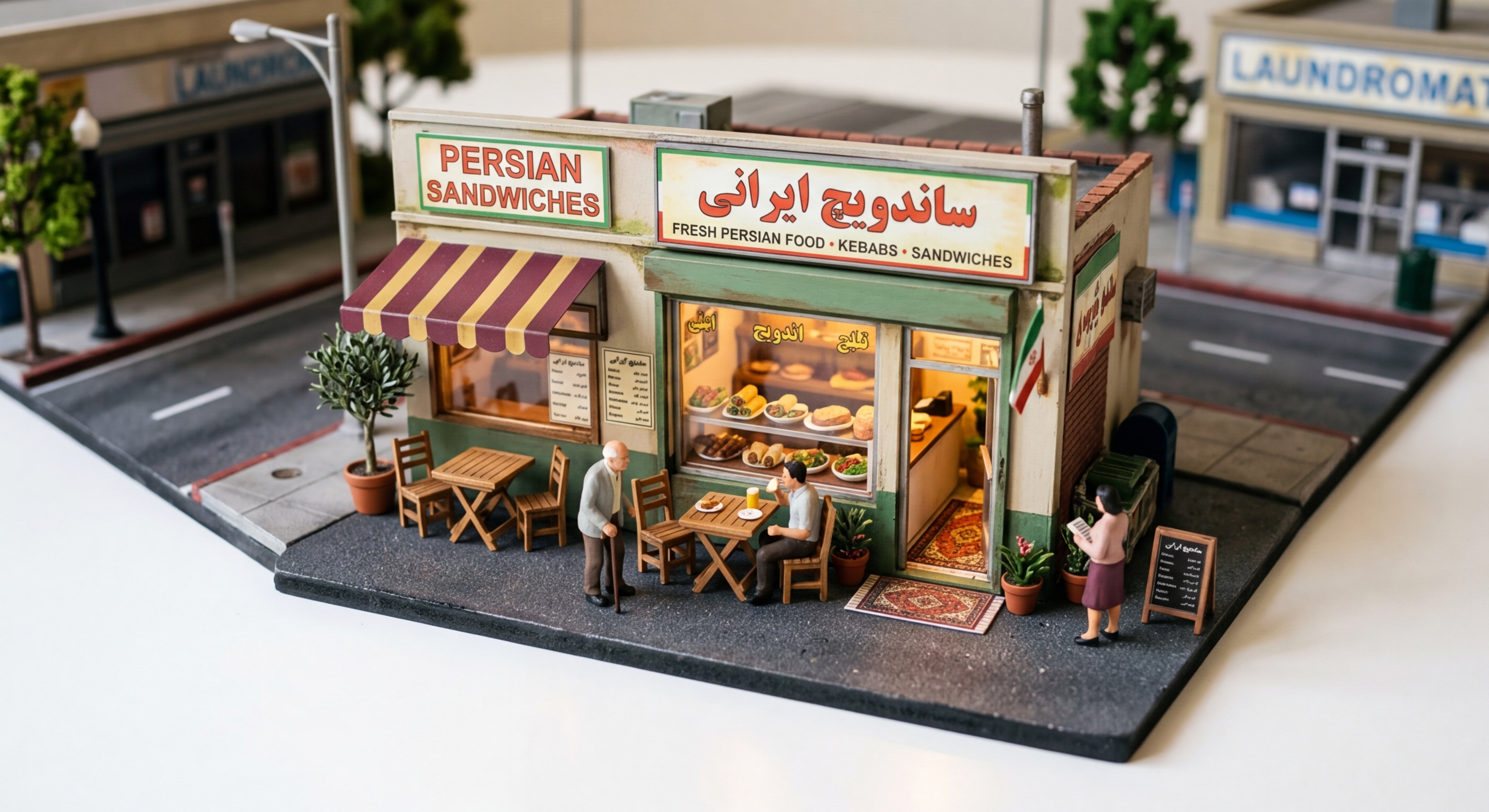
Attari Sandwich Shop
Los Angeles, United States
The anchor of Persian Westwood in Los Angeles, open since the early 2000s and a fixture for Iranian expatriates and their families. Attari serves the Tehran sandwich shop canon: tongue sandwiches, koobideh in bread, and sosis bandari cooked in spiced tomato sauce the way every Iranian remembers it from home. The shop sits inside Attari Plaza, the small Persian commercial complex on Westwood Boulevard that serves as an informal community center for the local Iranian community.
Known For: Sosis bandari and tongue sandwiches in the Tehran style
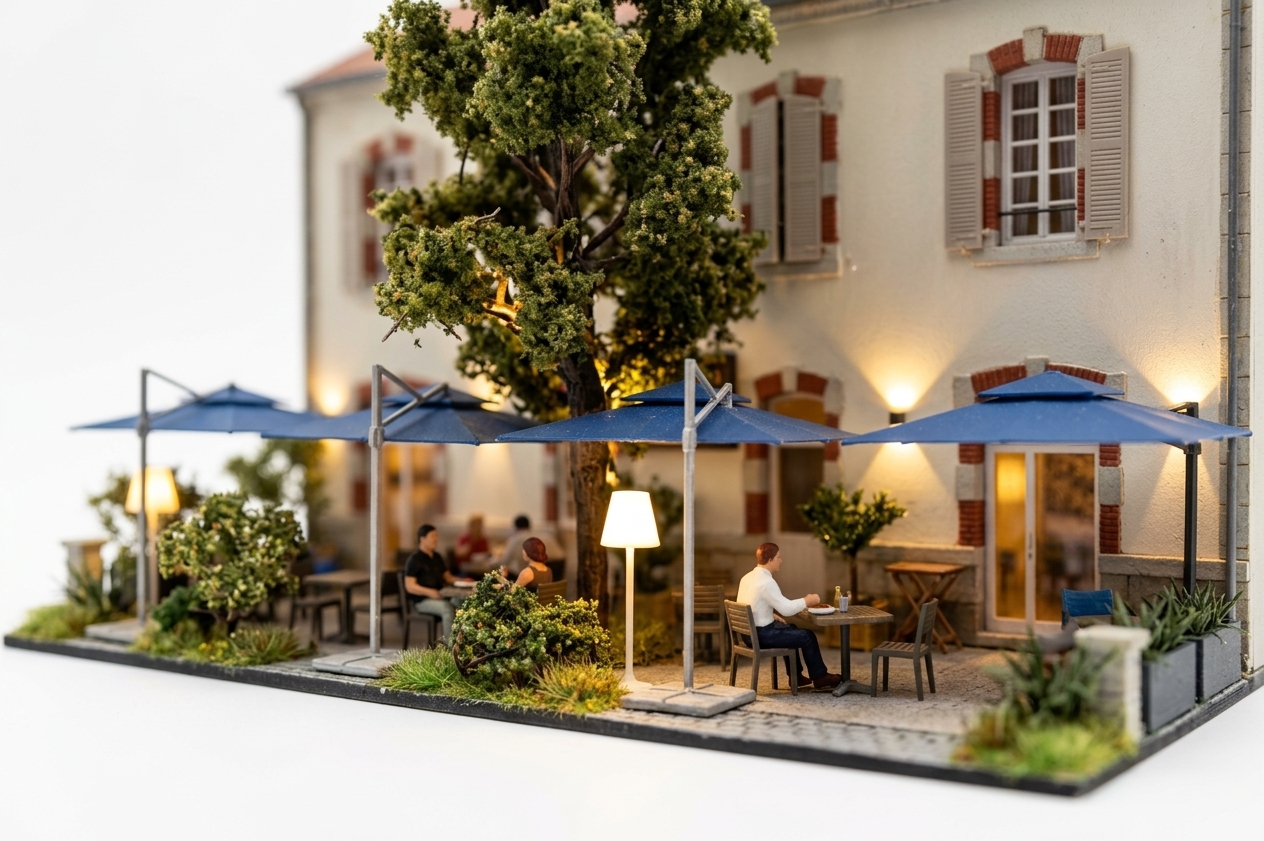
Auberge de Montfleury
Privas, France
A country inn on a hillside outside Privas, the Ardèche capital. The dining room overlooks chestnut groves. The kitchen works with what the department produces: caillettes, picodon cheese, chestnut flour, and saucisson sec sliced thick for the assiette ardéchoise. Rooms are simple. Dinner is the reason to come. The prix fixe menu runs four courses with local wine included.
Known For: Assiette ardéchoise, four-course prix fixe with local wine
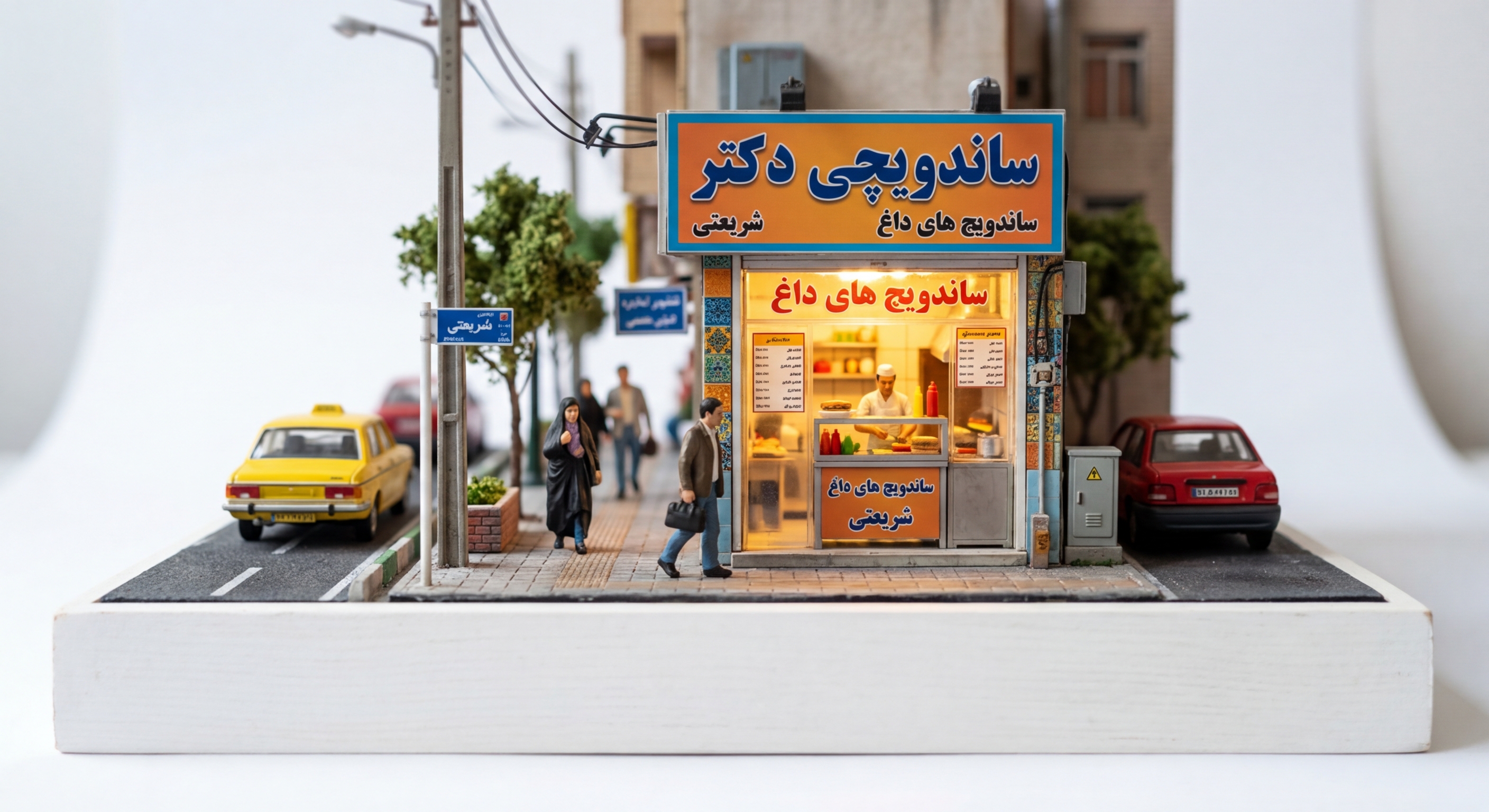
Baharan Sandwich
Tehran, Iran
A Tehran sandwich chain with branches across the city, Baharan has been serving hot sandwiches for decades. The menu runs to doner, chicken, and grilled meats, but the sosis bandari is what regulars come back for. The sauce is cooked down thick and kept warm all day in a wide pan behind the counter. Most branches are takeaway-only, a row of glass-fronted refrigerators and a single ordering window. The Shariati Street location is the most visited.
Known For: Sosis bandari and doner sandwiches across multiple Tehran branches
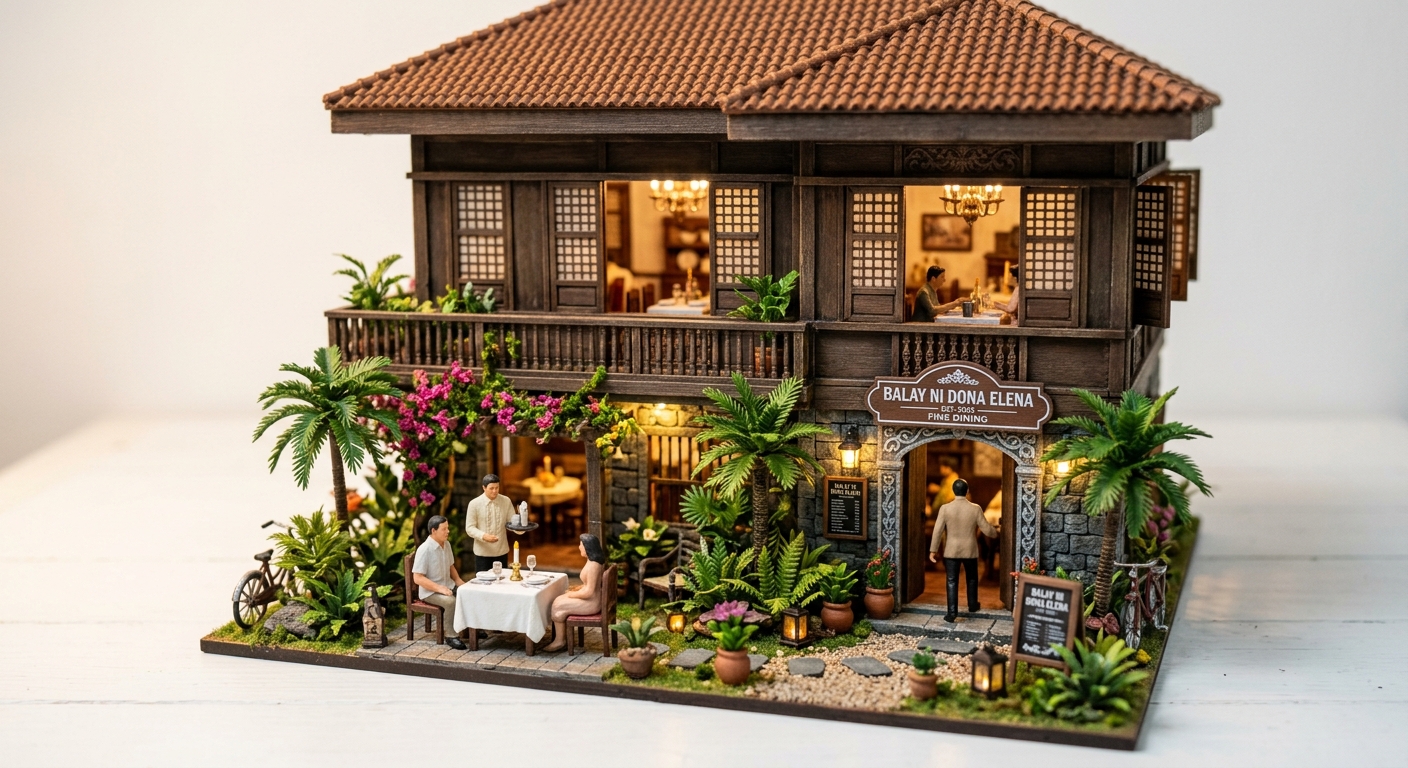
Bale Dutung
Angeles City, Philippines
Bale Dutung is the private dining space of Chef Claude Tayag in a compound in Villa Gloria Subdivision, Angeles City. The name means House of Wood in Kapampangan; the building is built from reclaimed hardwood and antique materials, with Tayag's sculpture and art filling the rooms. Dinner is by reservation only, served as a multi-course Kapampangan degustation. The Kapampangan Spread includes longganisang Guagua alongside dishes like sisig, lechon, kare-kare, and the pork preparations that Tayag has spent decades refining. Anthony Bourdain filmed an episode of No Reservations here in the mid-2000s, eating the same food that Tayag's family and community grew up on. The longganisa served here traces back to the Guagua style, a garlicky, slightly sour version from the municipality south of San Fernando, distinct from the sweeter San Fernando type. Bale Dutung is not a restaurant in the conventional sense; it is a dining event, and the longganisa arrives in the context of a full Kapampangan table.
Known For: Multi-course Kapampangan degustation, longganisang Guagua, sisig, Chef Claude Tayag
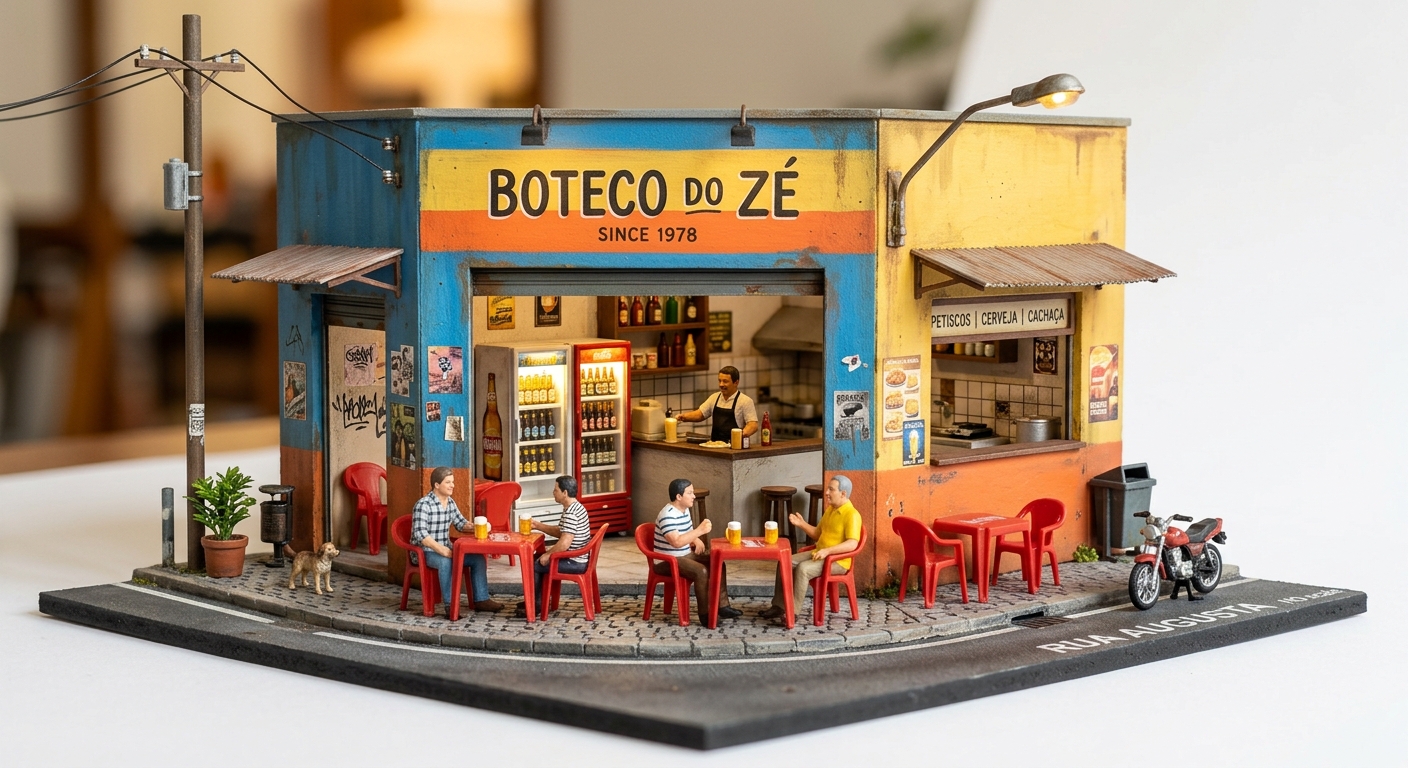
Bar do Juarez
São Paulo, Brazil
Bar do Juarez was founded in 1999 by Juarez Alves, who came from Bahia to São Paulo in 1973 and built his bar business around the kind of boteco that once filled the old city centre: bare tables, cold beer from the fridge, and straightforward food cooked to order. The group now has six locations across the city, including Itaim, Pinheiros, Brooklin, Moema, Santana, and Mooca, each designed to evoke the mid-century neighbourhood bar rather than a themed restaurant. Linguiça acebolada is one of the most ordered items on the menu: calabresa cut on the bias and fried in a cast-iron pan with a mountain of caramelised white onion, brought to the table sizzling with a basket of pão francês alongside. The boteco ritual here is to use the bread to soak up the fat and onion juices from the pan. The petisco portions are sized for sharing and the draft beer, called chope, comes in small 200ml glasses refilled continuously. The Itaim location on Avenida Presidente Juscelino Kubitschek is the most central for visitors.
Known For: Linguiça acebolada, cold chope on tap, classic São Paulo boteco atmosphere
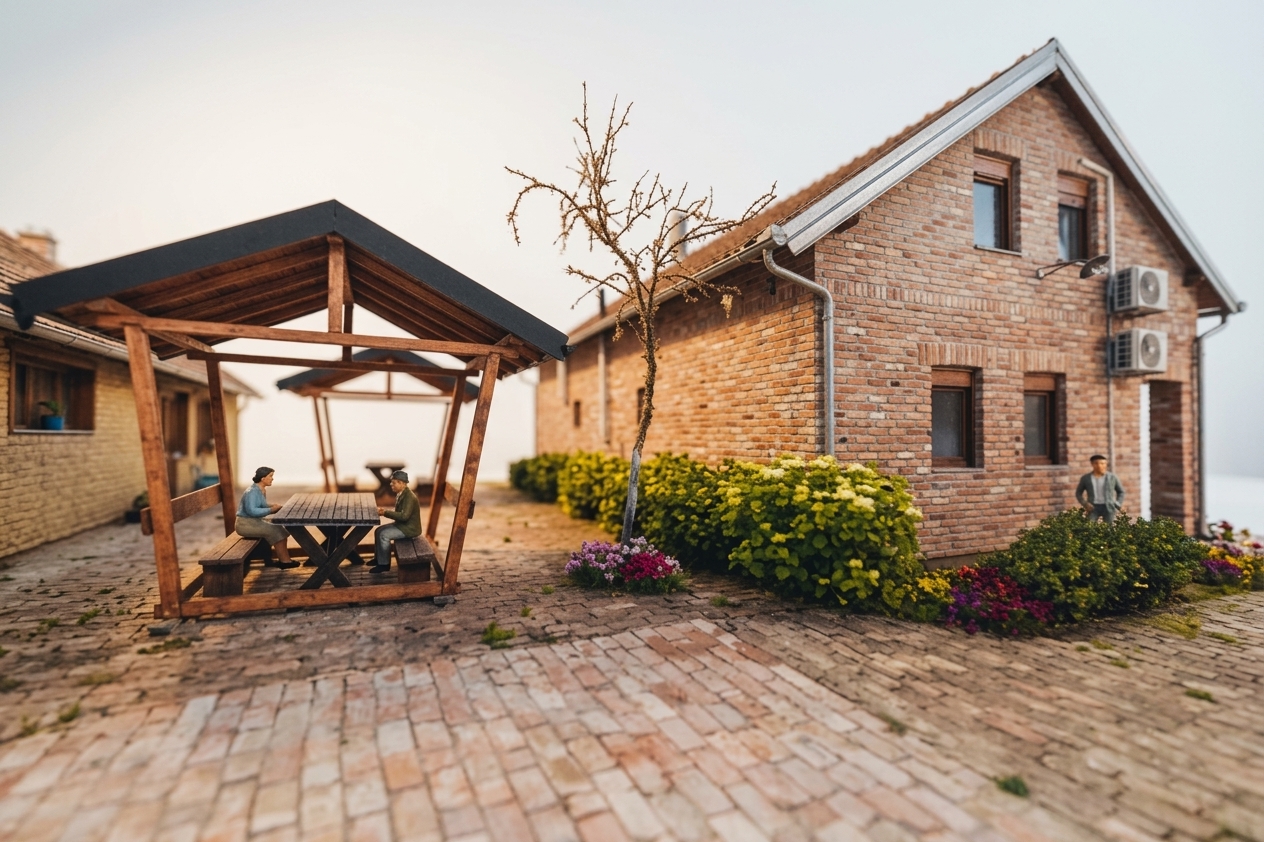
Baranjska Kuća
Karanac, Croatia
Part restaurant, part open-air ethnographic museum, in the village of Karanac near Osijek. Over 40 years of tradition. The chestnut-shaded backyard holds a barn, a blacksmith's workshop, and old craft huts. The kitchen serves čobanac, kobasica, kulen, and river fish stews cooked in clay pots over open fire. Live Roma folk music on weekends.
Known For: Čobanac, kobasica, kulen, ethnographic museum courtyard, live folk music
How It Works
Explore
Browse the interactive map to discover sausages by region, from Thuringia to Argentina.
Discover
Learn about ingredients, history, and what makes each variety unique. Find the best producers.
Taste
Get real tips on where to buy and eat. Community reviews from fellow sausage enthusiasts.