Weisswurst
Münchner Weißwurst
Munich, Germany
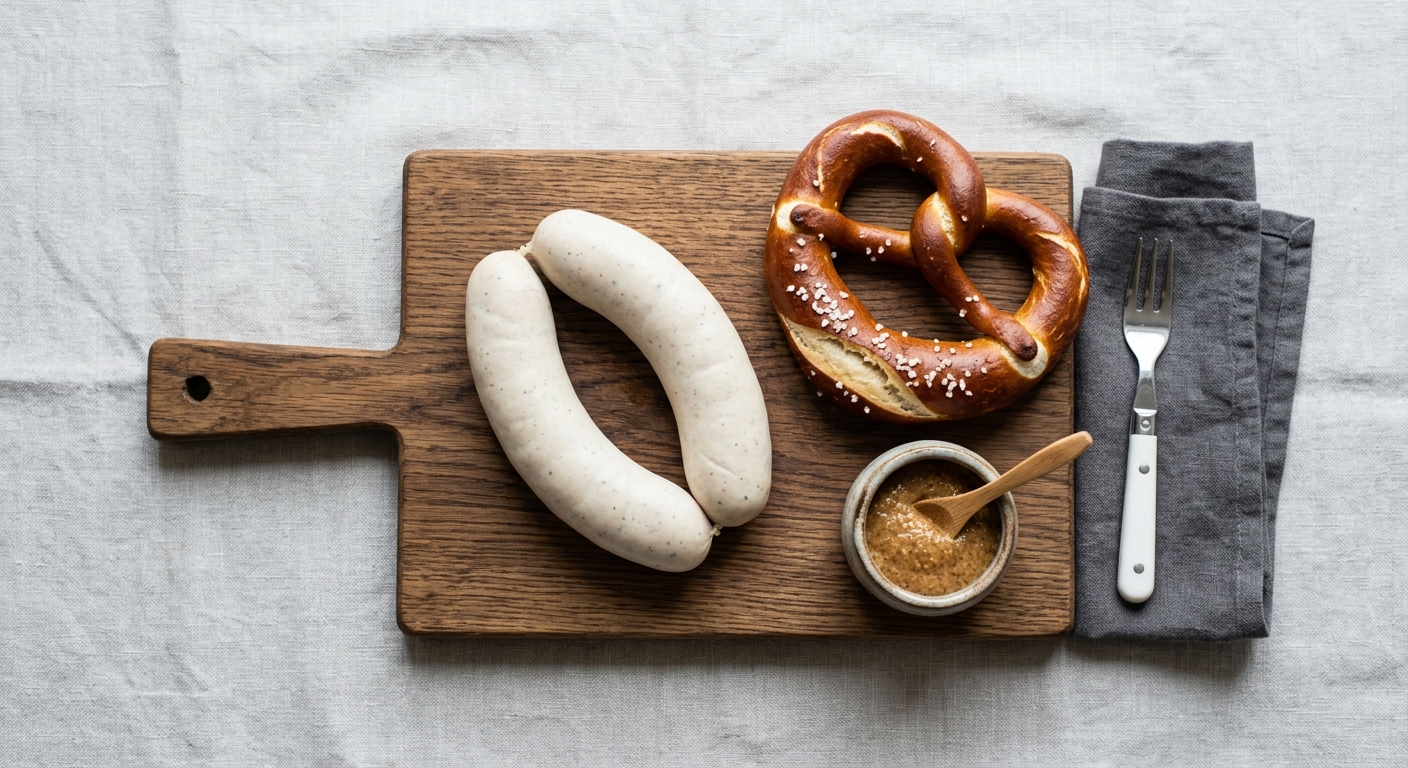
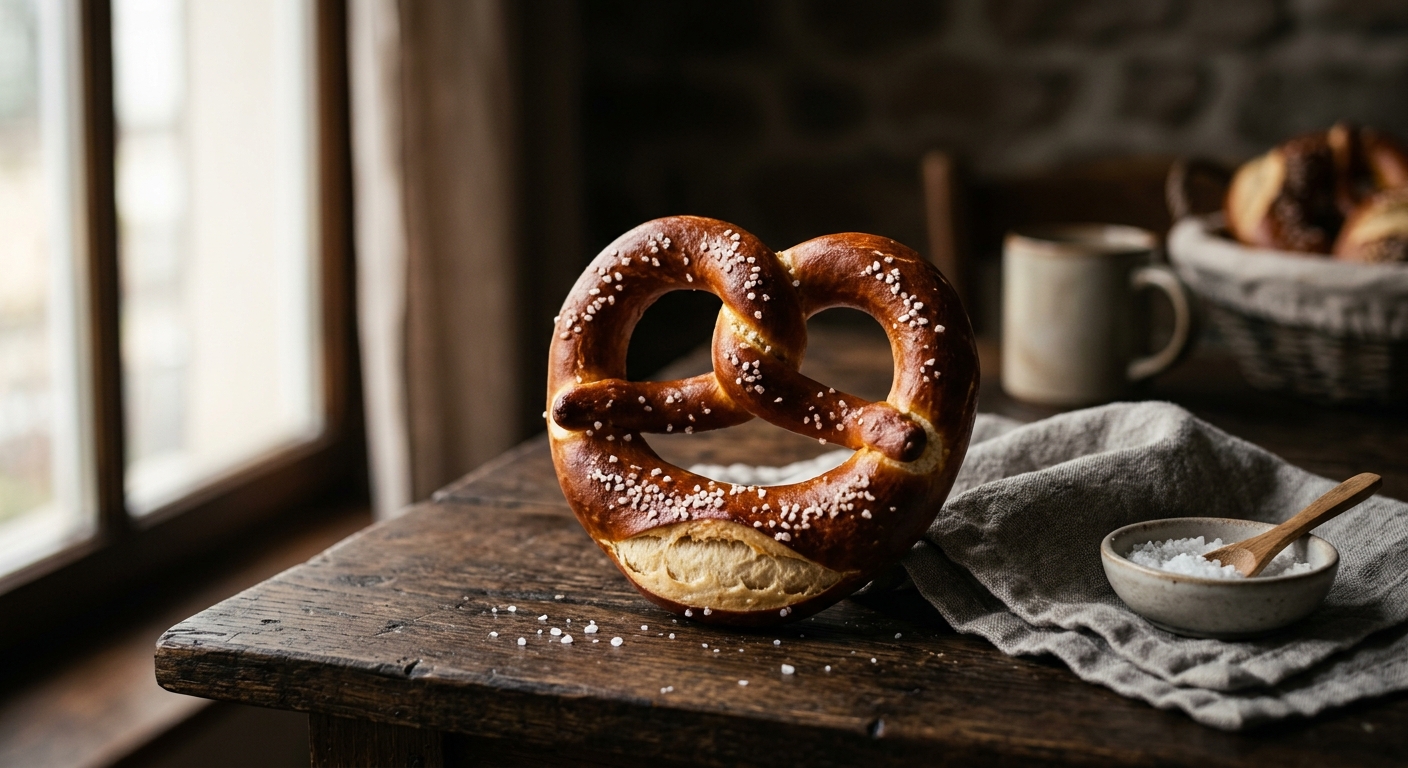
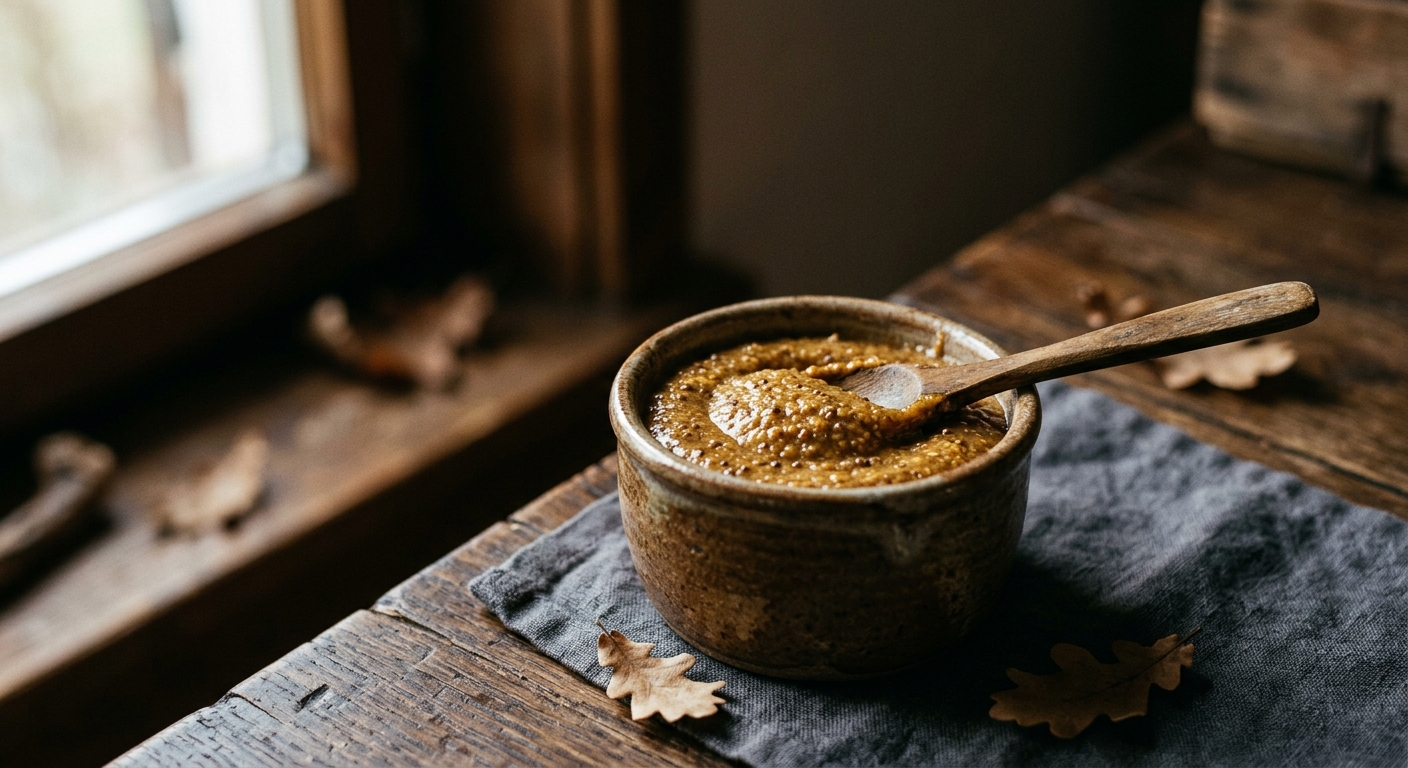
The Weisswurst is a traditional Bavarian white sausage made from finely minced veal and fresh pork back fat, flavored with parsley, lemon zest, mace, onion, ginger, and cardamom. It is gently poached — never boiled, never grilled — and eaten with sweet mustard, a fresh Breze (pretzel), and a Weissbier. The most famous rule in all of sausage culture: a Weisswurst must never hear the noon bells. It is a breakfast sausage, period.
History
Legend places the birth of the Weisswurst at the Marienplatz inn 'Zum Ewigen Licht' on February 22, 1857. The story goes that innkeeper Moser Sepp ran out of sheep casings for his sausages and used pig casings instead, which were too delicate to grill. So he poached them in hot water — and the Weisswurst was born. Whether the legend is true or not, the Weisswurst quickly became Munich's signature dish. The 'before noon' rule dates from a time before refrigeration — the fresh, unsmoked sausages would spoil by afternoon. Today, refrigeration makes this unnecessary, but try telling that to a Bavarian.
Ingredients
Preparation
Veal and pork back fat are very finely ground, mixed with crushed ice and the spice blend until a smooth, light-colored emulsion forms. The mixture is stuffed into thin pork casings and twisted into pairs. The sausages are then gently poached in hot water (about 70-80°C) for 10-15 minutes — never boiled, as that would burst the delicate casings. They are served in the hot water to keep warm.
Taste
Delicate, mild, and aromatic. The veal gives it a clean, subtle meatiness, while the parsley and lemon zest provide freshness. The warm spices (mace, cardamom, ginger) create a gentle complexity. It is meant to be mild — the sweet mustard provides the contrast.
Texture
Very fine, almost mousse-like and smooth. The thin natural casing is not meant to be eaten — a proper Bavarian 'zuzelt' (sucks) the filling out of the skin, or peels it off with a knife and fork. The interior is soft, moist, and delicate.
Pairings
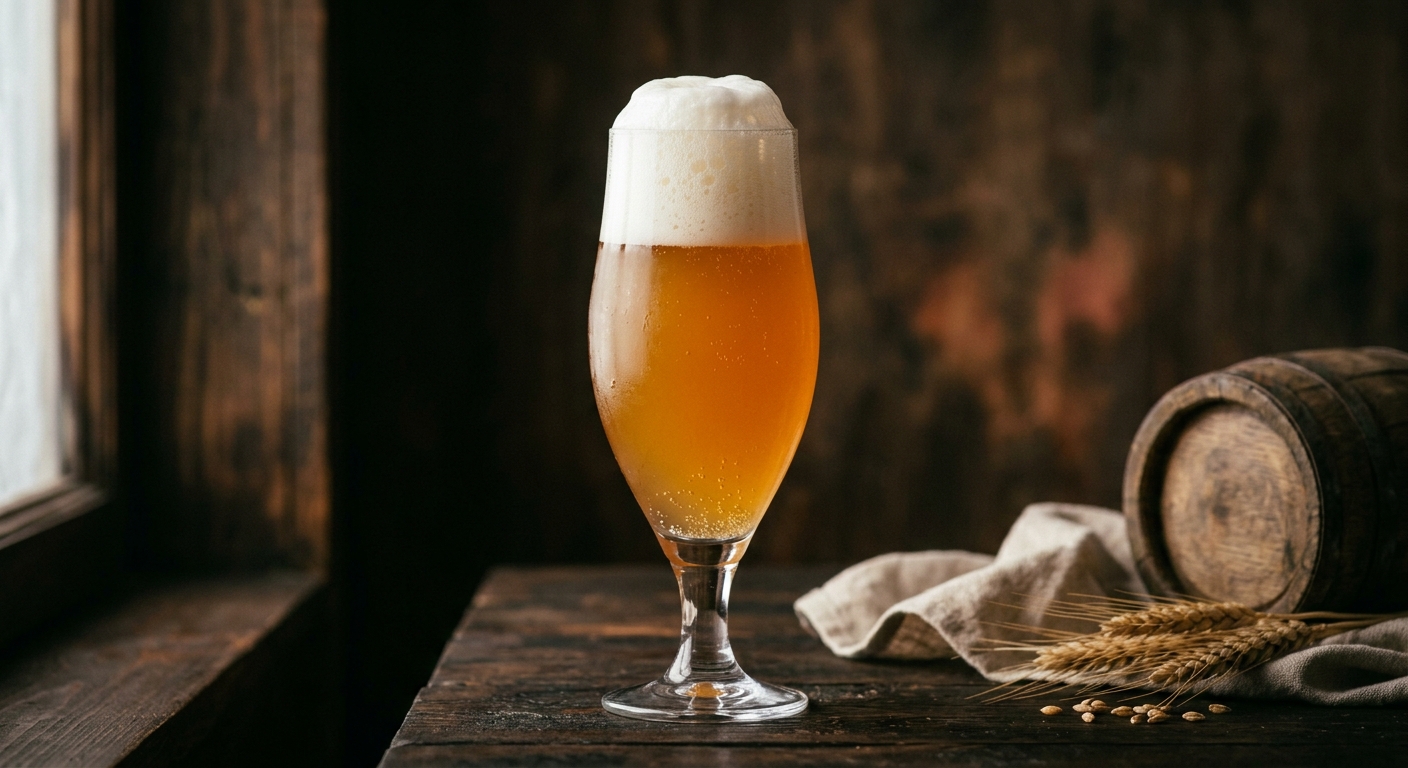
Rituals & Traditions
Never eat after noon
The most sacred rule in Bavarian food culture. A Weisswurst must not hear the noon bells ('Mittagsläuten'). Originally a food safety rule, it is now a matter of cultural identity. Eating Weisswurst in the afternoon marks you as a tourist instantly.
Zuzeln — suck the filling out
The traditional way to eat a Weisswurst is to 'zuzeln' — bite into one end and suck the filling out of the casing in one smooth motion. It takes practice but it is the mark of a true Bavarian. The alternative is to cut it lengthwise and peel the skin off with a knife.
Weisswurstfrühstück at the beer garden
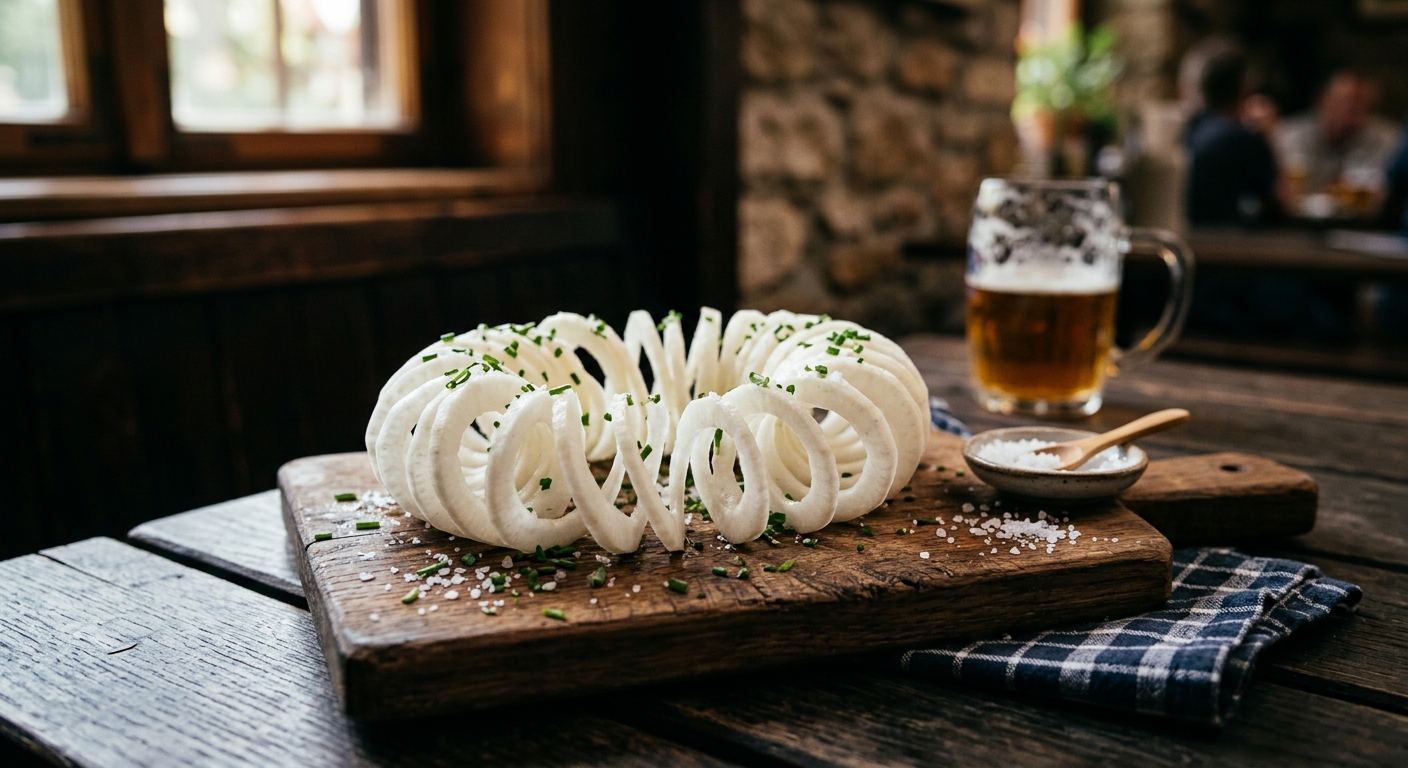
The proper setting is a Munich beer garden on a sunny morning. You order a pair of Weisswurst, a Breze, sweet mustard, and a Weissbier. You eat slowly, you talk, you watch the world go by. It is Munich's greatest civilizational achievement.
Recipes
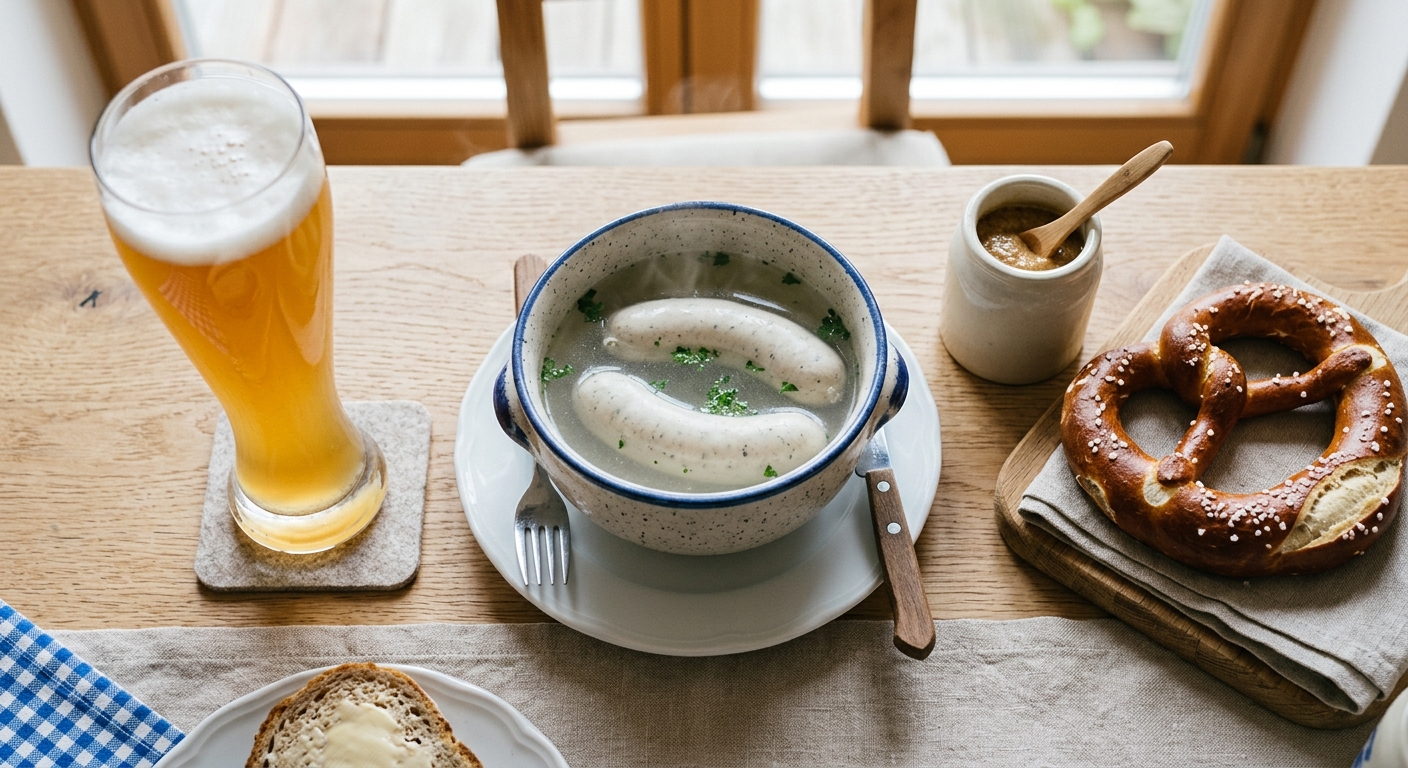
Weisswurstfrühstück (Bavarian Breakfast)
Weisswurst
The quintessential Munich morning ritual: a pair of gently poached Weisswurst served in hot water with sweet mustard, a fresh Breze, and a cold Weissbier. Must be eaten before noon. No exceptions.
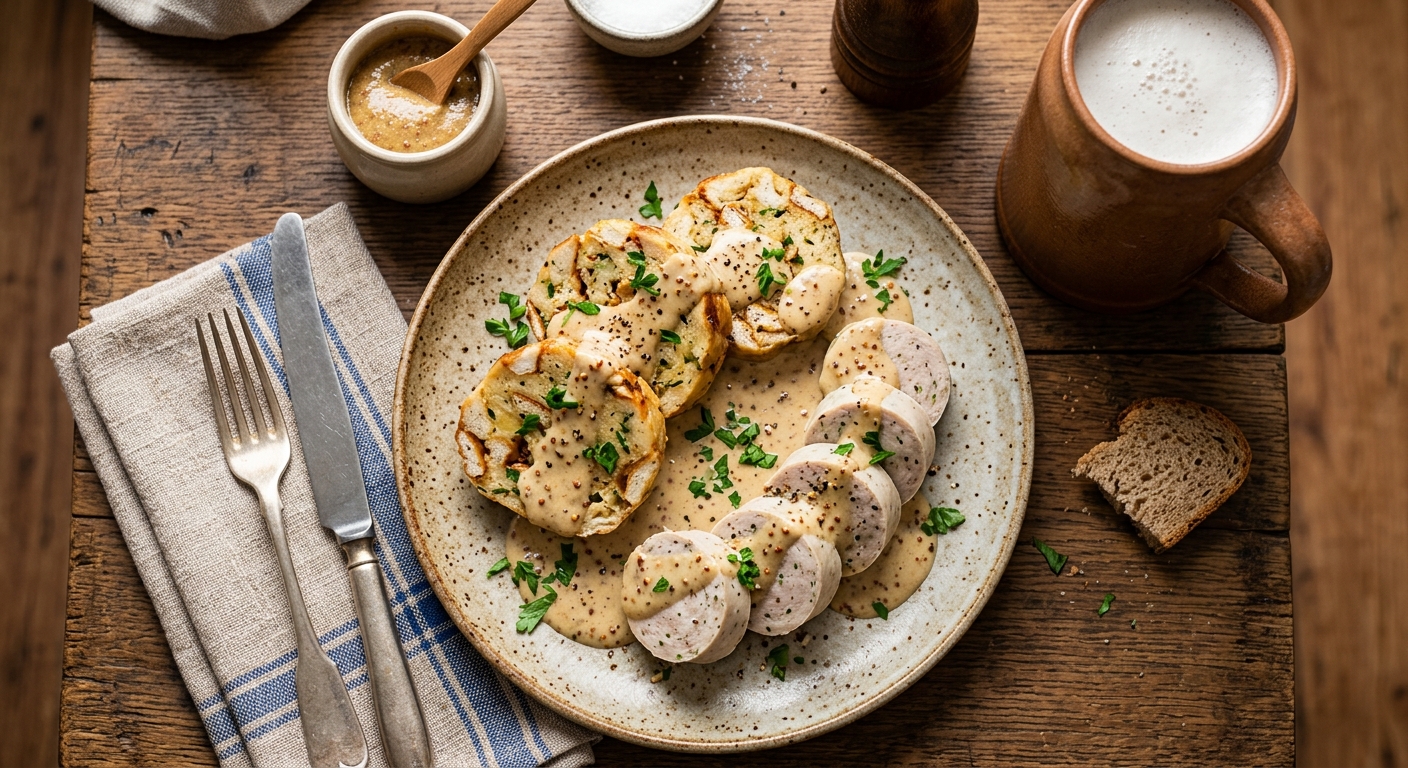
Weisswurst with Pretzel Dumplings (Brezenknödel)
Weisswurst
A modern Bavarian comfort dish: poached Weisswurst served alongside golden Brezenknödel (pretzel dumplings) in a creamy mustard sauce. All the flavors of a Weisswurstfrühstück, reimagined as a proper sit-down meal.
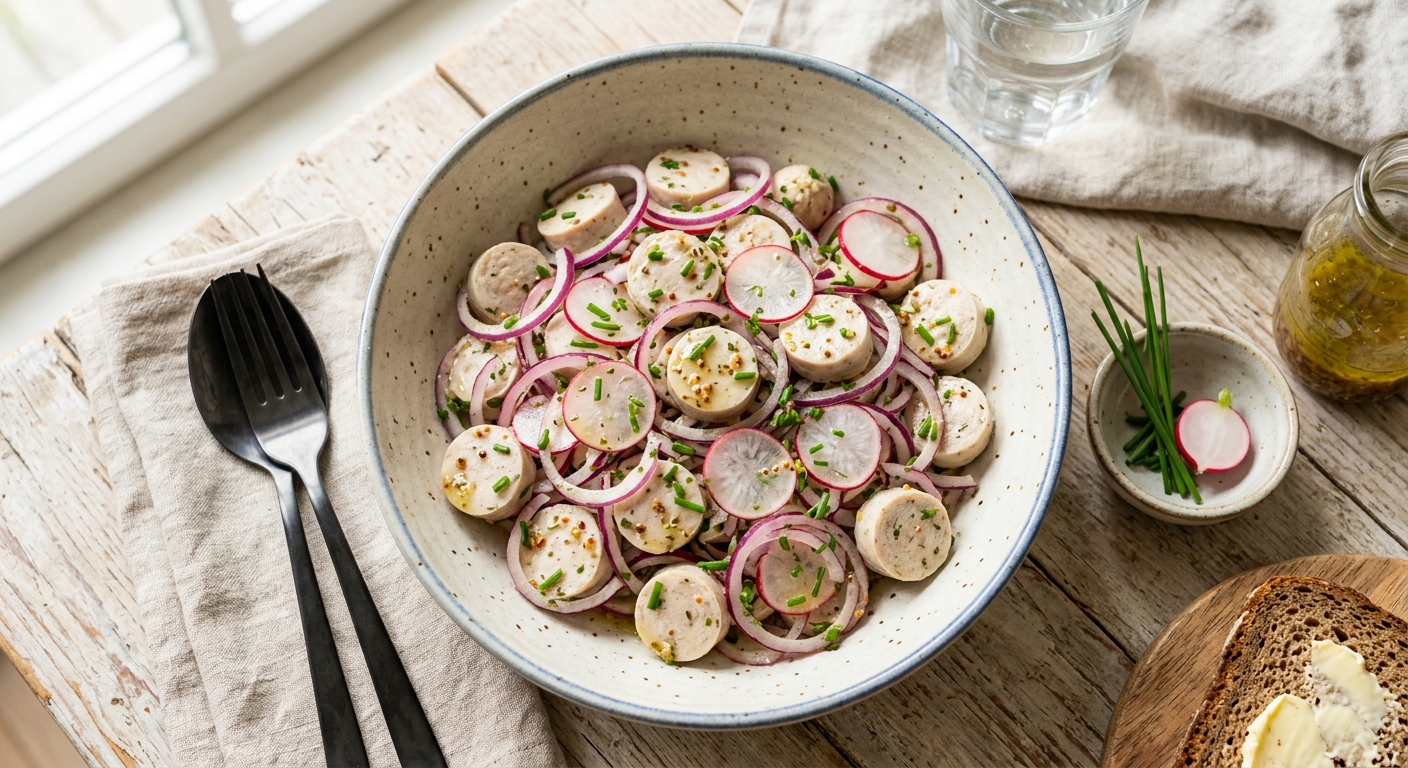
Bavarian Weisswurst Salad (Weisswurstsalat)
Weisswurst
A beloved Bavarian beer garden classic: peeled and sliced Weisswurst tossed with red onion rings, radish, and a tangy vinegar-oil dressing. Lighter than it sounds, perfect for a warm afternoon with a Masskrug of beer.