Teewurst
Pomerania / Schleswig-Holstein
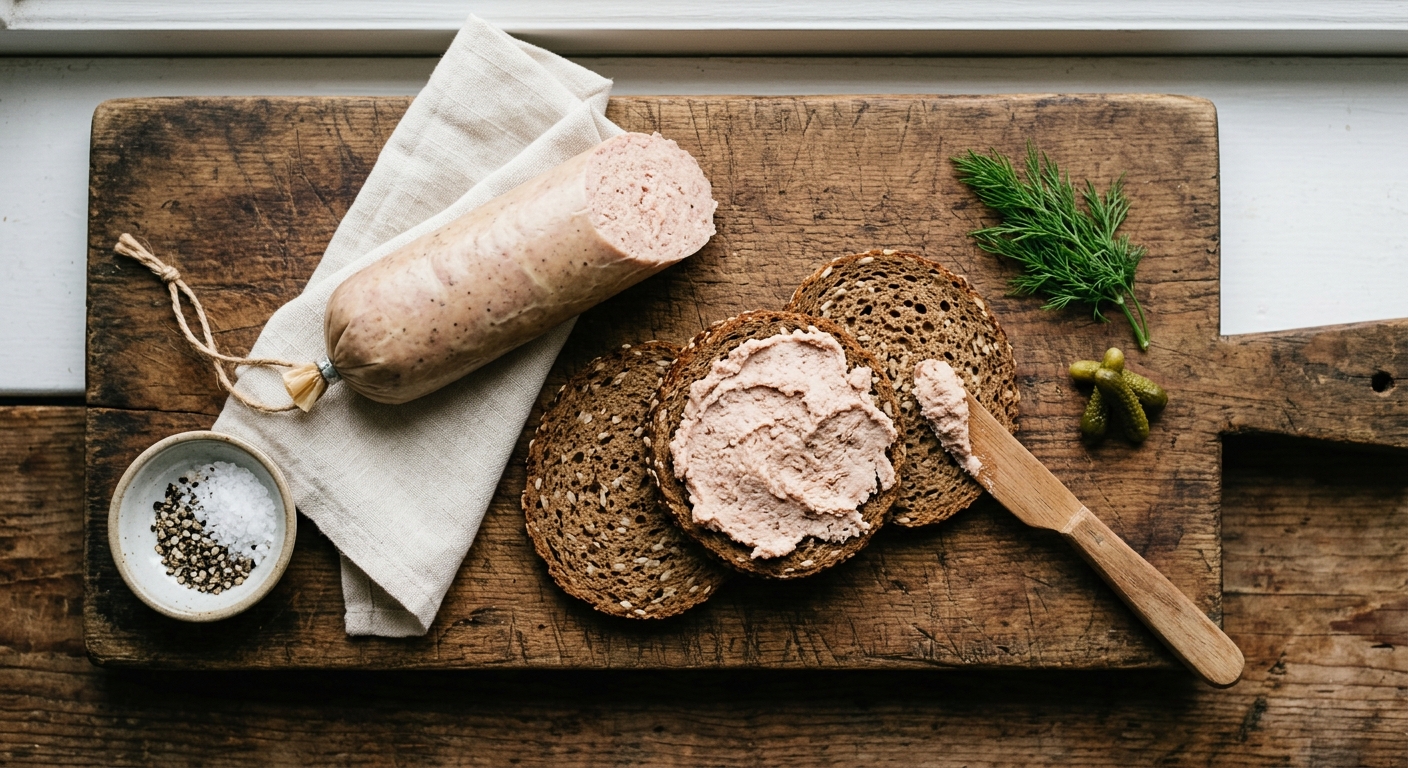
Teewurst is a spreadable raw sausage from northern Germany. Finely ground pork and beef, cold-smoked over beechwood, soft enough to spread on bread with a knife. The name comes from 'Tee' (tea): Pomeranian ladies of the 19th century served it at afternoon tea gatherings. Two grades exist. Rügenwalder Teewurst uses a coarser grind and has PGI protection since 2007. Feine Teewurst is ground finer, almost paste-like, and spreads even more easily. Both are eaten raw, always on bread, never cooked.
History
Teewurst originated in Pomerania, in the town of Rügenwalde (today Darłowo, Poland). The Rügenwalder Mühle company, founded in 1834, developed the recipe for the bourgeois tea salons of the region. After World War II, expellees from Pomerania brought their recipes to Schleswig-Holstein and Lower Saxony. The Rügenwalder Mühle relocated to Bad Zwischenahn in 1946 and kept making Teewurst there. In 2007, the EU granted 'Rügenwalder Teewurst' Protected Geographical Indication status. The sausage must be produced in the traditional Pomeranian style to carry the name. Today Teewurst is a staple of every northern German breakfast table.
Ingredients
Preparation
Pork, beef, and back fat are ground very fine, sometimes put through the grinder twice or three times until the mixture reaches an almost paste-like consistency. Salt, white pepper, a small amount of paprika, and a splash of brandy or rum go in. The mass is stuffed into natural casings and cold-smoked over beechwood for several days. No heat is applied during smoking. The sausage then ripens for a few days until it reaches the right spreadable texture. Feine Teewurst gets an even finer grind. The coarser Rügenwalder style keeps more visible grain in the meat.
Taste
Mild, smoky, with a clean pork flavor. The beechwood smoke is present but restrained. White pepper gives a gentle warmth without sharpness. A faint sweetness from the touch of brandy and sugar rounds it out. Not a sausage that shouts.
Texture
Soft and spreadable, like a coarse pâté. Feine Teewurst is almost creamy. The Rügenwalder version has a bit more bite and visible grain. Both melt on the tongue without chewing. The casing peels off before spreading.
Rituals & Traditions
Peel the casing first
Cut the sausage open lengthwise and peel the natural casing off before spreading. The casing is not meant to be eaten. Some people squeeze it out of one end like toothpaste.
Never cook Teewurst
Teewurst is a raw sausage meant to be eaten cold. Heating it turns it into a greasy puddle. The smoke and fermentation provide the flavor, not the stove.
Abendbrot spread
Teewurst is a fixture of Abendbrot, the northern German cold supper: bread, cold cuts, cheese, and pickles. No cooking involved. The table is set, everyone helps themselves, and Teewurst is always in the lineup.
Teatime origins
The name 'Teewurst' comes from its role at 19th-century afternoon tea gatherings in Pomeranian society. Ladies spread it on small breads alongside cakes and pastries. The tradition has faded, but the name stuck.
Recipes
Teewurst-Brötchen
Teewurst
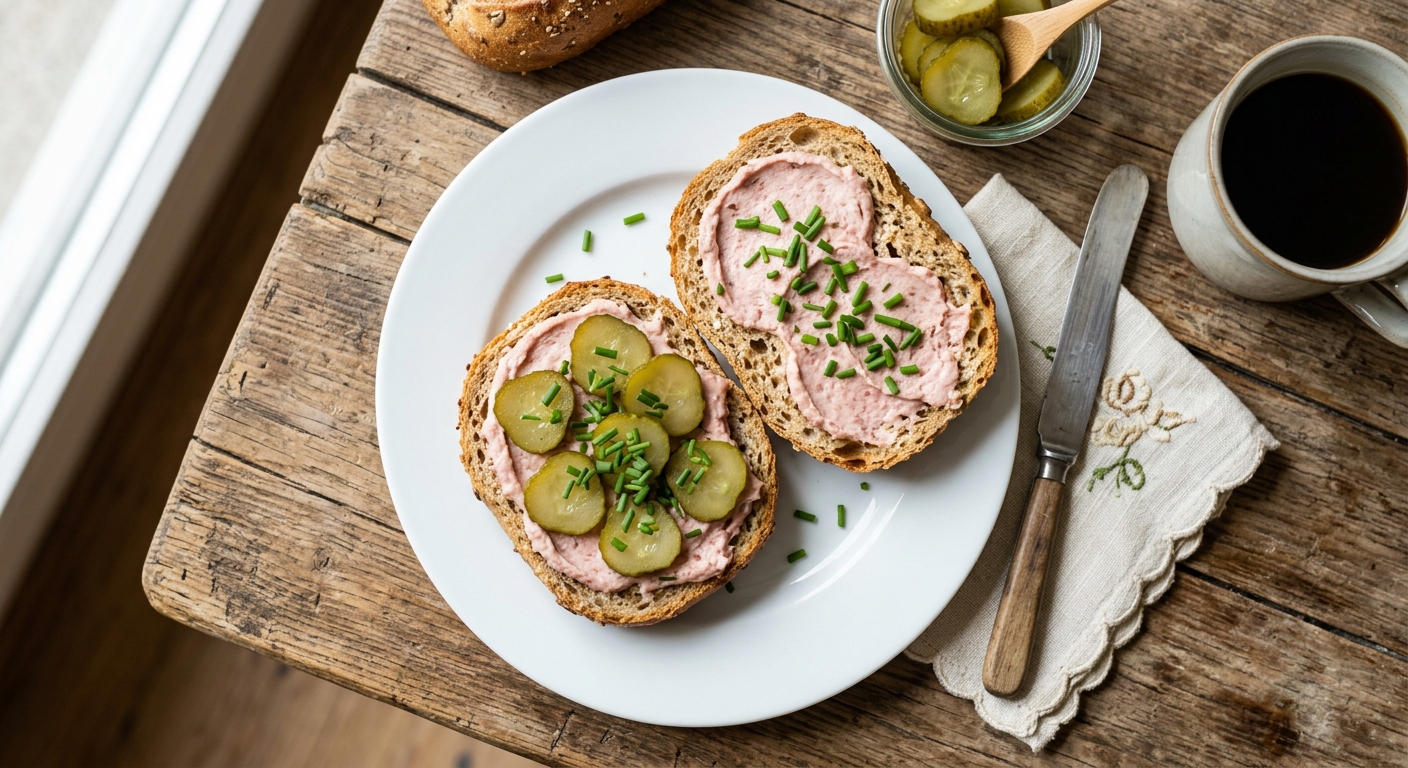
The simplest and most common way to eat Teewurst: split a fresh Brötchen, spread a thick layer of Teewurst on both halves, top with sliced onion rings and cornichons. No butter needed. The fat in the Teewurst does that job. This is what northern Germans eat for breakfast, for Abendbrot, and for the mid-morning Zweites Frühstück. No recipe required, but there are rules.
Teewurst-Cucumber Canapés
Teewurst
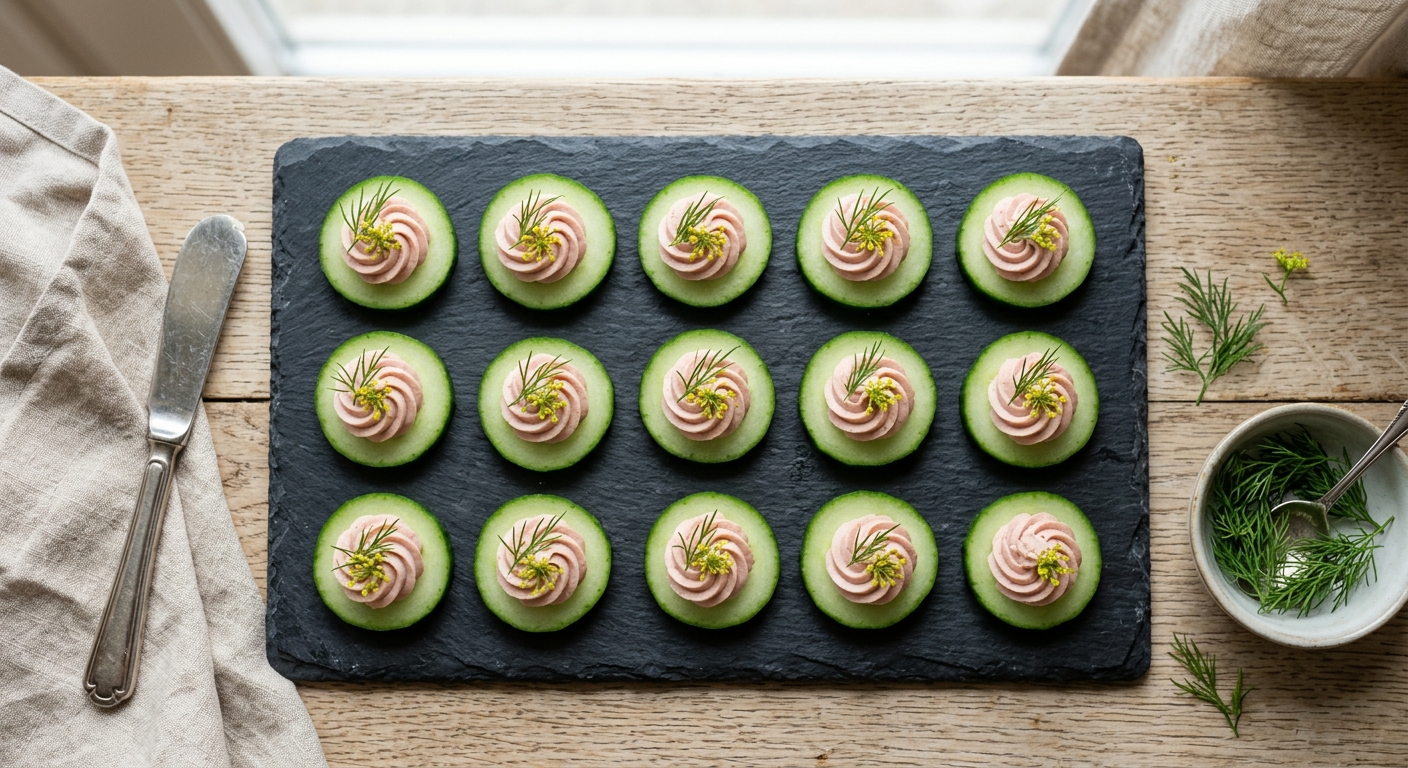
Thick cucumber rounds replace bread as the base for a Teewurst spread. A low-carb appetizer that works at cocktail parties and summer gatherings. The cold, crunchy cucumber against the soft, smoky Teewurst is a good combination. A dill frond on top and they look like they took effort. They did not.
Teewurst and Cream Cheese Dip
Teewurst
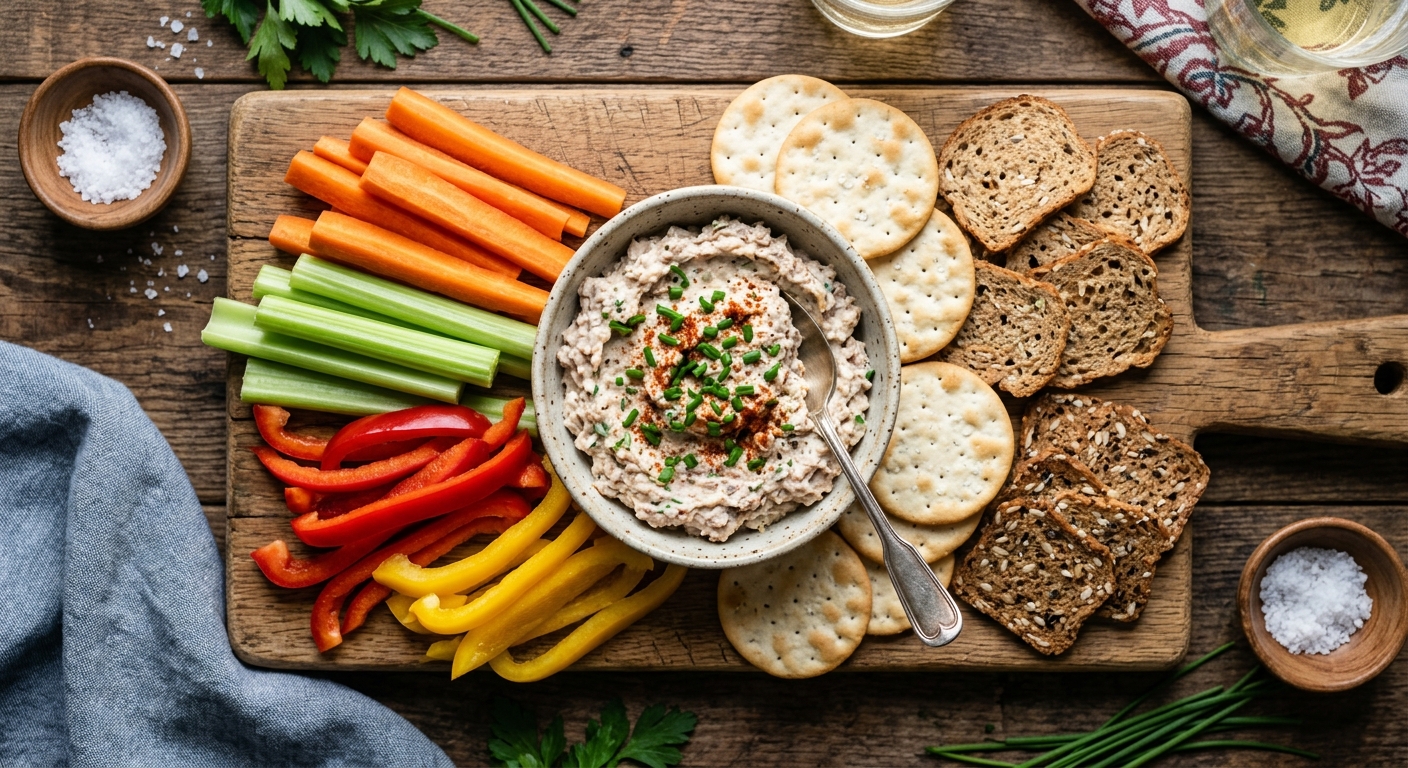
A quick party dip that shows up at every German house party and Silvester gathering. Mix Teewurst with cream cheese, add chopped pickles and onion, and serve with pretzel sticks or raw vegetables. Five minutes of work, gone before midnight. The smoky sausage and tangy cream cheese balance each other out.
Teewurst Flatbread Pizza
Teewurst
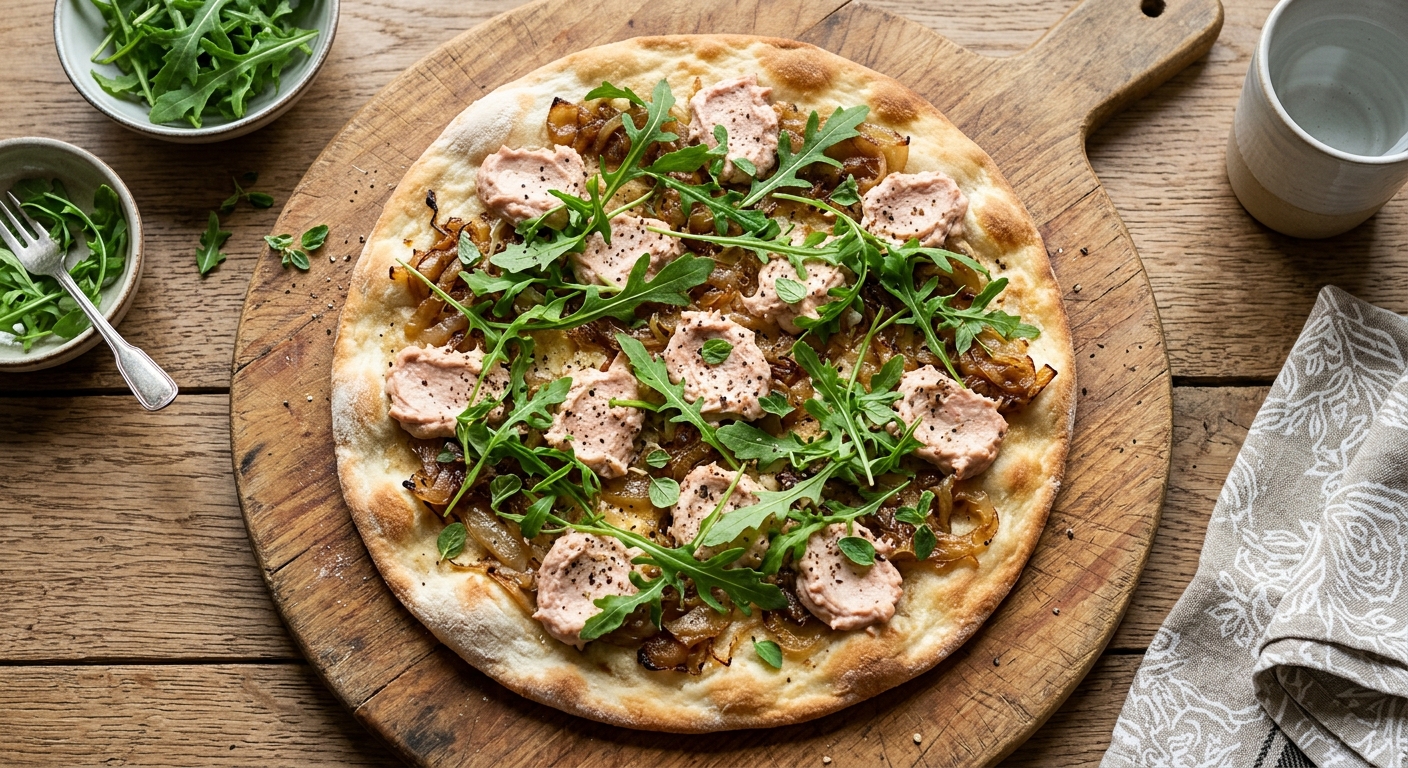
A thin, crispy flatbread (Flammkuchen-style) topped with Teewurst after baking, not before. The base gets crème fraîche, caramelized onions, and a trip through a hot oven. The Teewurst goes on while the flatbread is still warm, melting into the surface without cooking through. The contrast between the hot, crispy base and the cool, smoky sausage spread is the whole trick.
Teewurst Pretzel Bites
Teewurst
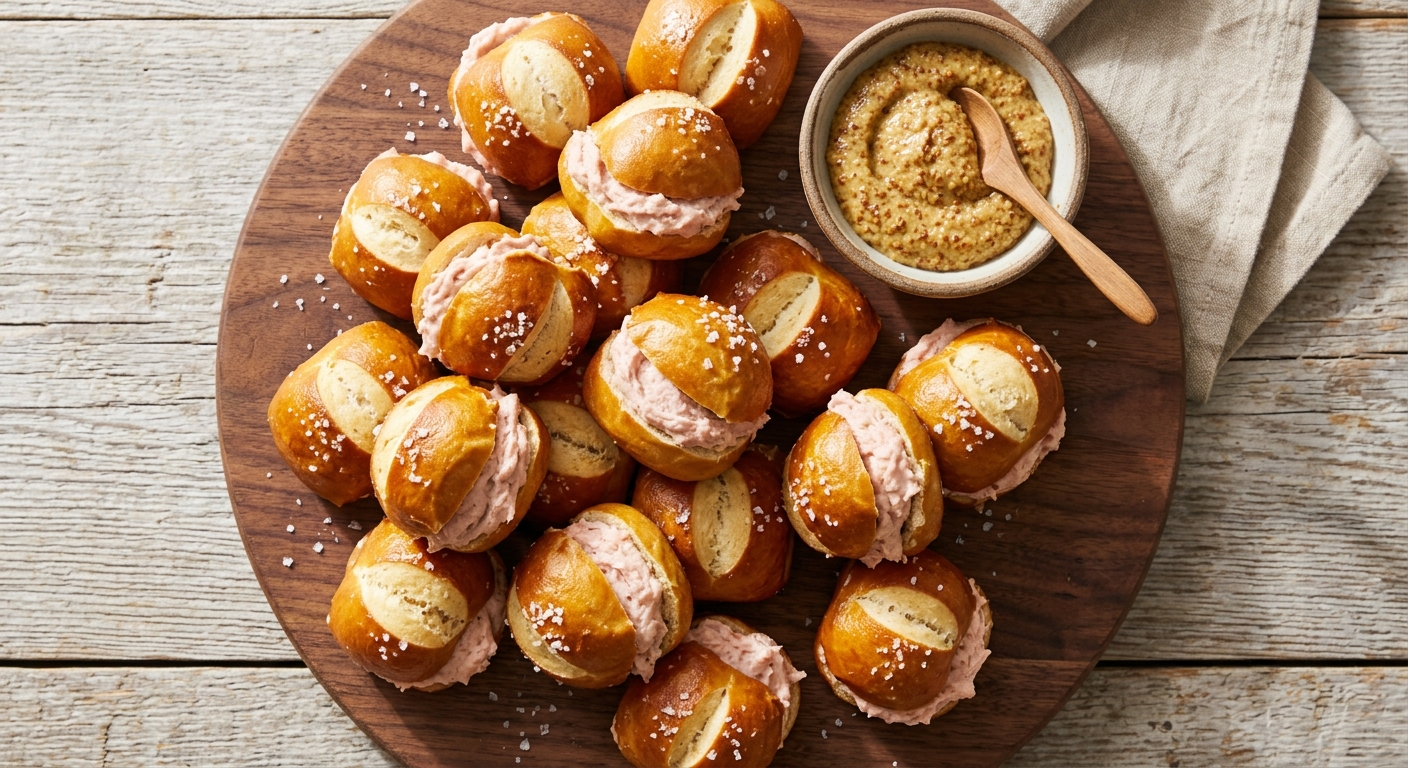
Soft pretzel dough shaped into bite-sized pieces, baked until golden, then split and filled with Teewurst while still warm. The salty, chewy pretzel and the soft, smoky filling belong together. A northern German take on pretzel sandwiches. Serve them at a Grillparty or as a snack with beer. Best eaten within minutes of filling.
Teewurst-Stuffed Eggs
Teewurst
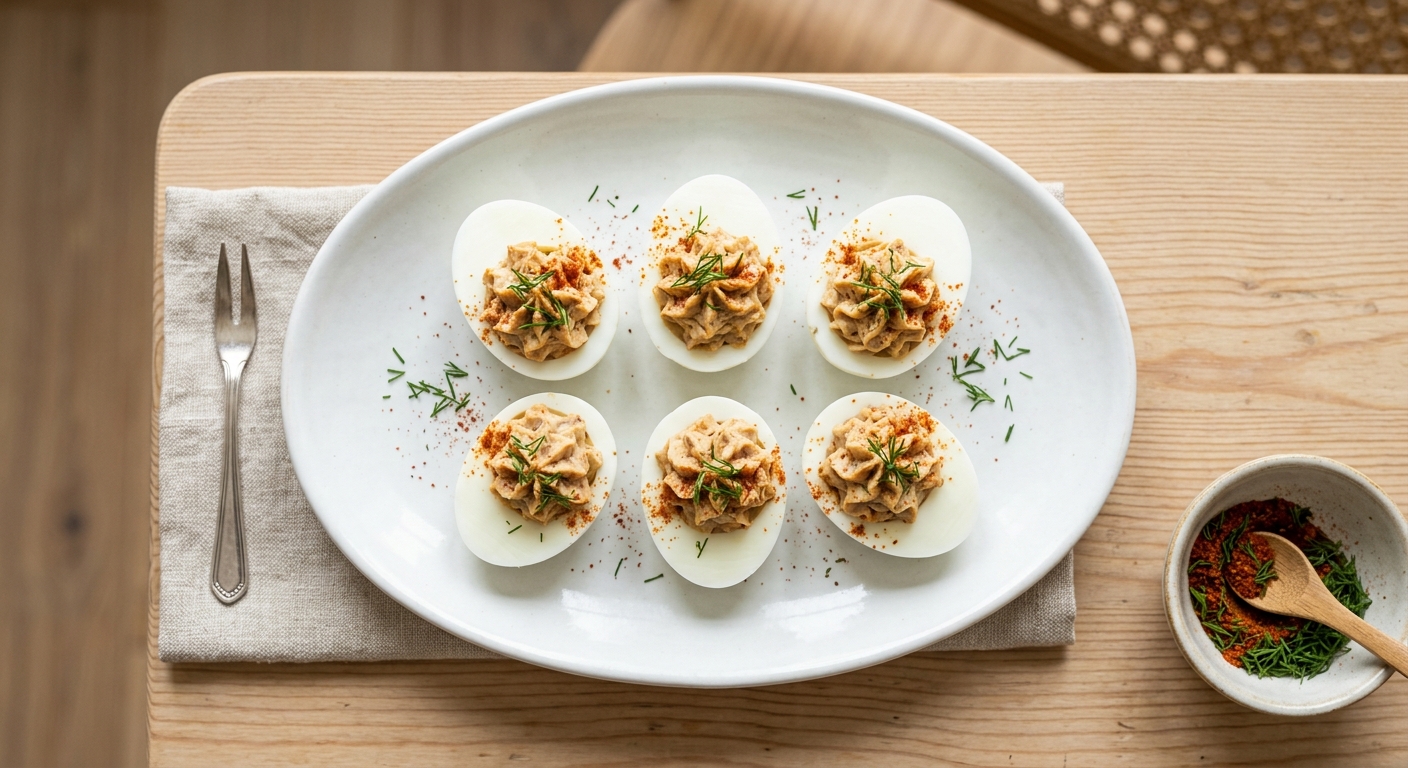
Deviled eggs with a northern German twist: the yolk filling is mixed with Teewurst instead of mustard. The smoky, spreadable sausage blends into the yolk and creates a filling that is richer and meatier than the classic version. A staple at Kaltbuffets (cold buffets) and birthday parties in Schleswig-Holstein. Gone in minutes, every time.
On the Map
Where to Buy
Rügenwalder Mühle
Bad Zwischenahn, Germany
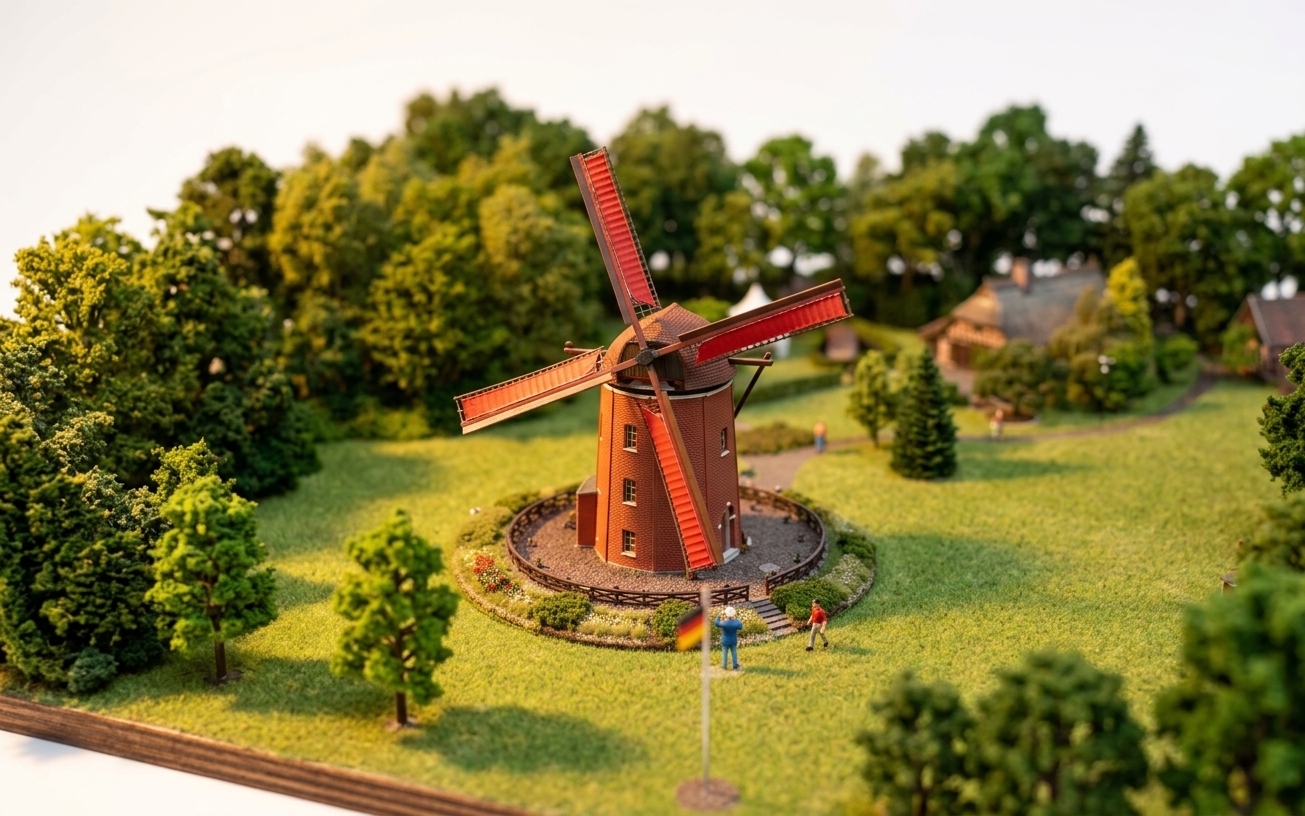
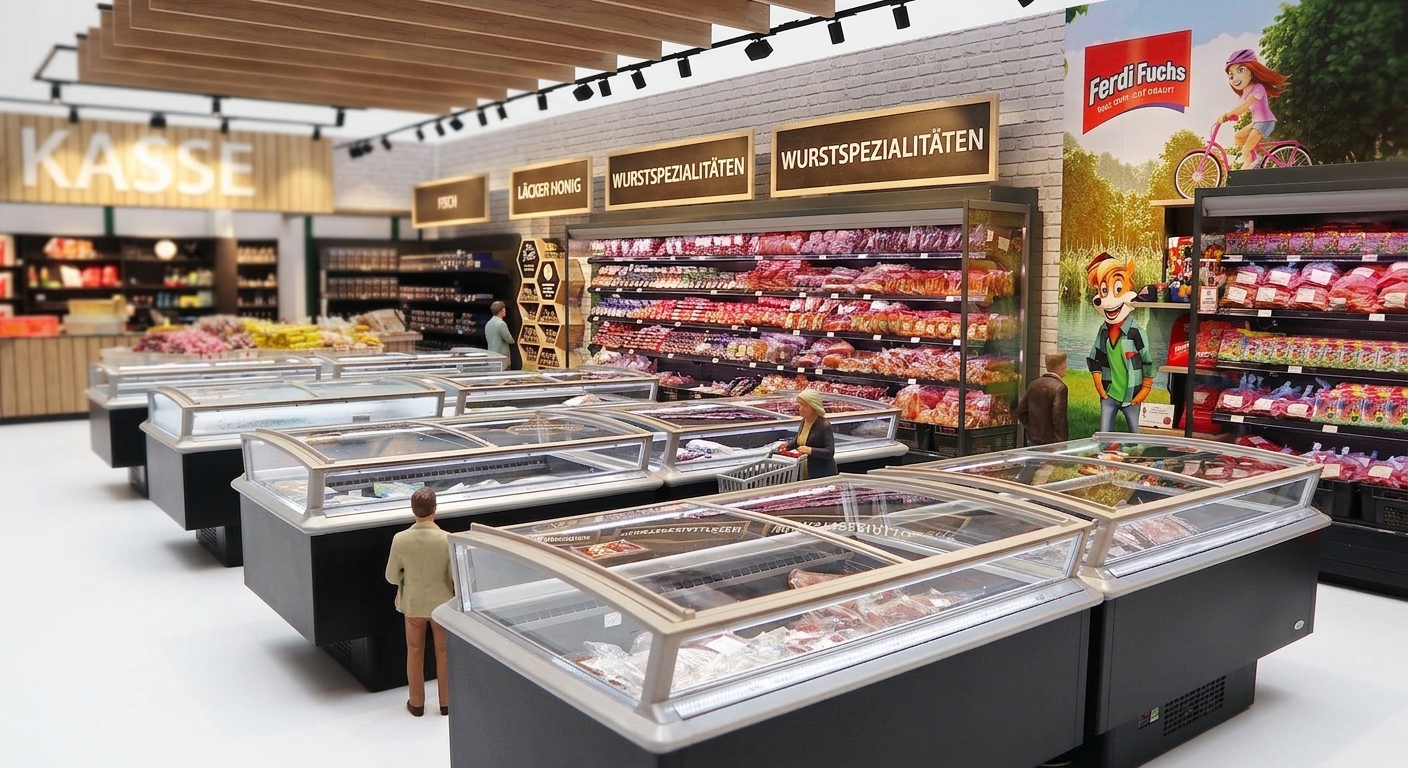
The original Teewurst producer, founded 1834 in Rügenwalde, Pomerania (now Darłowo, Poland). After the war, the company resettled in Bad Zwischenahn, Lower Saxony, and kept making the same recipe. Their Rügenwalder Teewurst holds PGI protection. They also produce a feine Teewurst with a smoother grind. In recent years the company has expanded into plant-based products, but their traditional Teewurst remains the flagship. The red packaging is a supermarket fixture across Germany.
Stockmeyer
Sassenberg, Germany
One of Germany's largest sausage producers, based in Sassenberg, Westphalia. Stockmeyer has been making cured and smoked meats since 1913. Their Teewurst line covers both the coarse and fine varieties. Industrial scale, but the smoking still uses real beechwood. You find Stockmeyer Teewurst in discount supermarkets and corner shops across the country. Not artisanal, but reliable and consistent.
Where to Eat
Café Niederegger
Lübeck, Germany
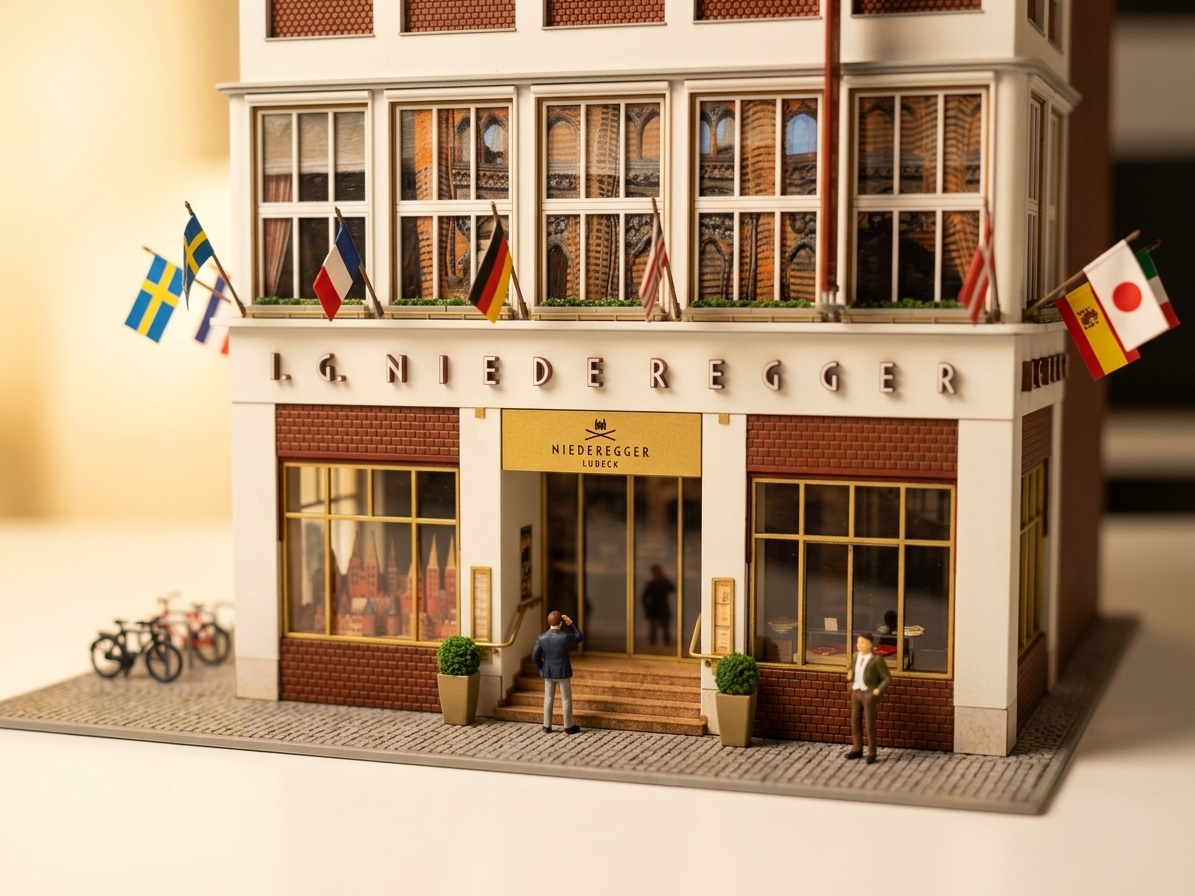
Lübeck's famous marzipan house, right across from the Rathaus since 1806. Niederegger is known worldwide for marzipan, but the upstairs café serves proper northern German food. Their Frühstück platter includes Teewurst on dark bread with cornichons and onion rings. The marzipan museum upstairs is free. Tourists come for the sweets, locals come for breakfast.
Kieler Brauerei
Kiel, Germany
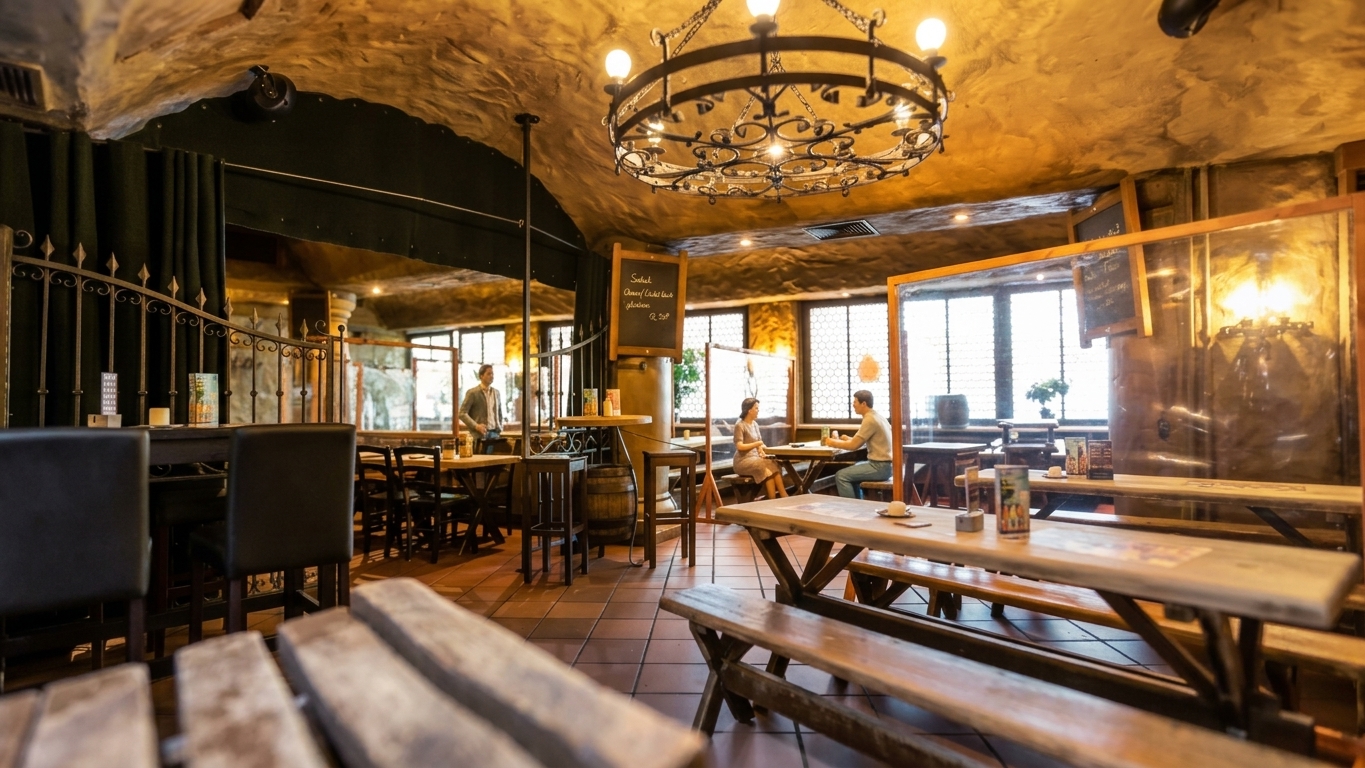
Craft brewery and restaurant on the Kiel waterfront, brewing their own lagers and ales on site. The food menu leans into Schleswig-Holstein pub classics: fried fish, Frikadellen, and a cold platter (Kalte Platte) that includes Teewurst on pumpernickel with butter and gherkins. The house-brewed Pils pairs well. Outdoor seating overlooks the harbor during Kieler Woche, the world's largest sailing event.
Schiffergesellschaft
Lübeck, Germany
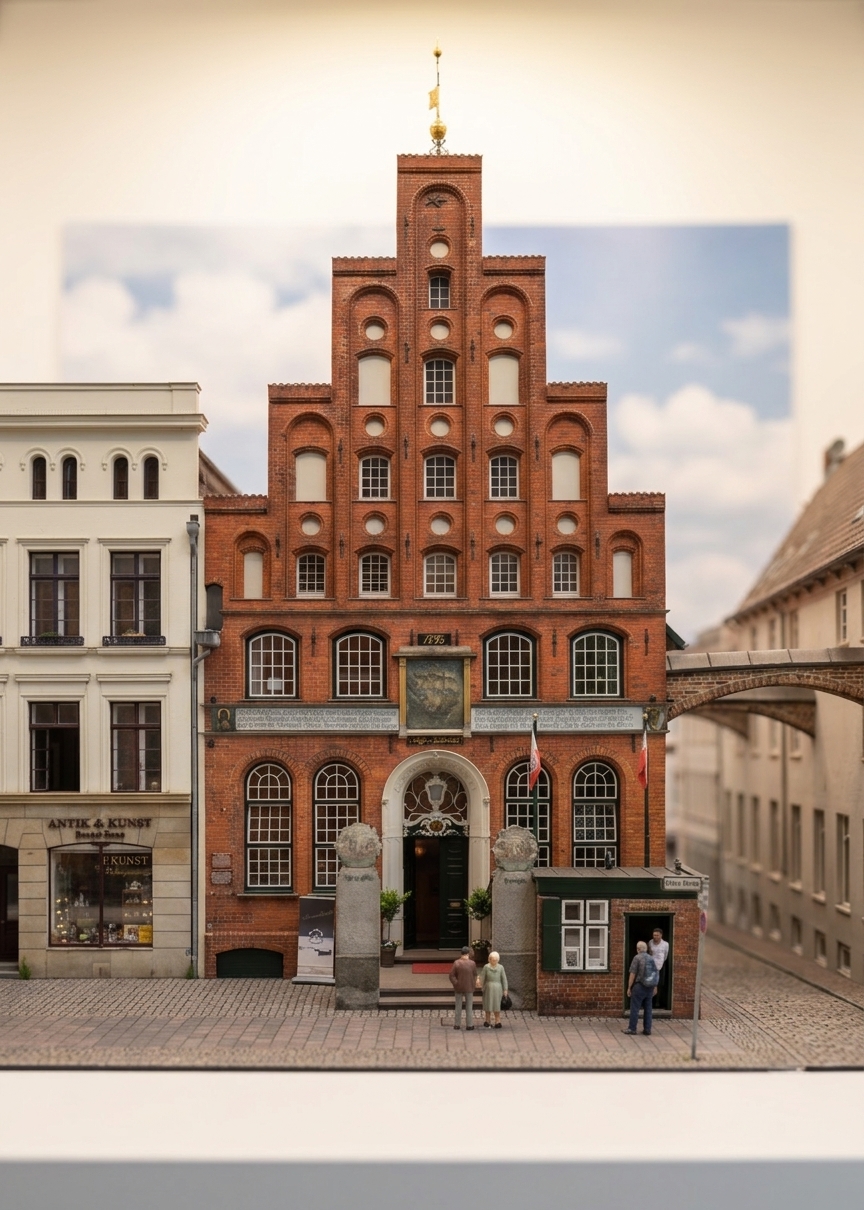
Lübeck's historic sailors' guild hall, operating since 1535. Model ships hang from the vaulted ceiling, and long communal wooden tables fill the room. The kitchen serves Schleswig-Holstein classics: smoked fish, Labskaus, and Abendbrot platters with Teewurst, Mettwurst, and pickles. The building alone is worth the visit. The food is honest northern cooking at honest prices.