Mutura
Nairobi
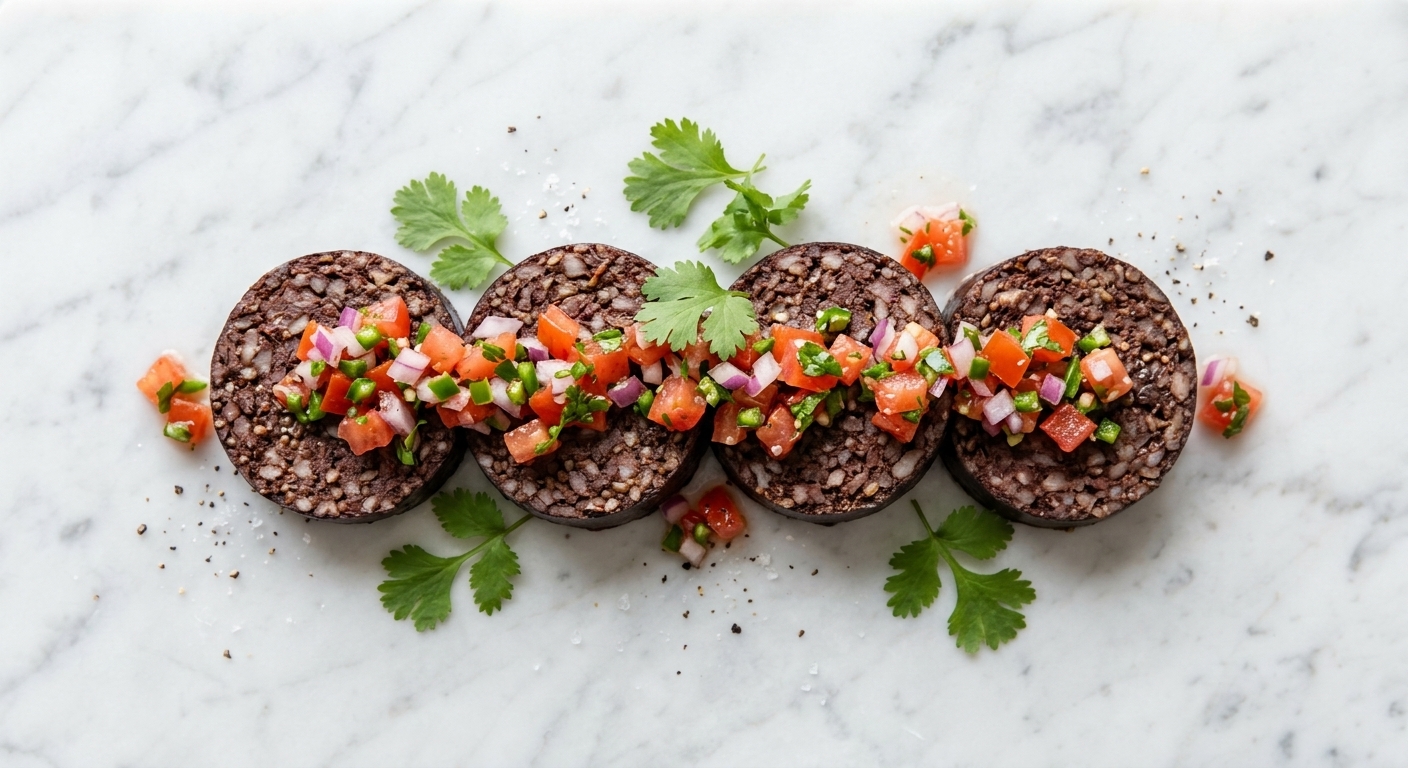
Mutura is a Kenyan blood sausage made from a mixture of goat or beef blood, minced meat, and offal, seasoned with garlic, ginger, chili, and fresh coriander, stuffed into intestines and grilled over charcoal. It is the most popular street food in Nairobi, sold at roadside stalls and open-air markets after dark. Sliced into thick rounds and served with kachumbari (a fresh tomato, onion, and chili salsa), mutura is eaten standing, straight off the grill, often washed down with a cold Tusker beer.
History
Mutura comes from the Kikuyu people of central Kenya, where it was traditionally made during celebrations and communal slaughters. The name itself is Kikuyu. As Nairobi grew into a major city, mutura moved from rural ceremony to urban street food. By the 1980s and 90s, mutura vendors had become a fixture of Nairobi's nightlife, setting up charcoal grills on street corners after sunset. Today it is eaten across all of Kenya's ethnic groups and has spread to Uganda and Tanzania in local variations. The best mutura vendors guard their spice blends and have loyal followings who track them from corner to corner.
Ingredients
Preparation
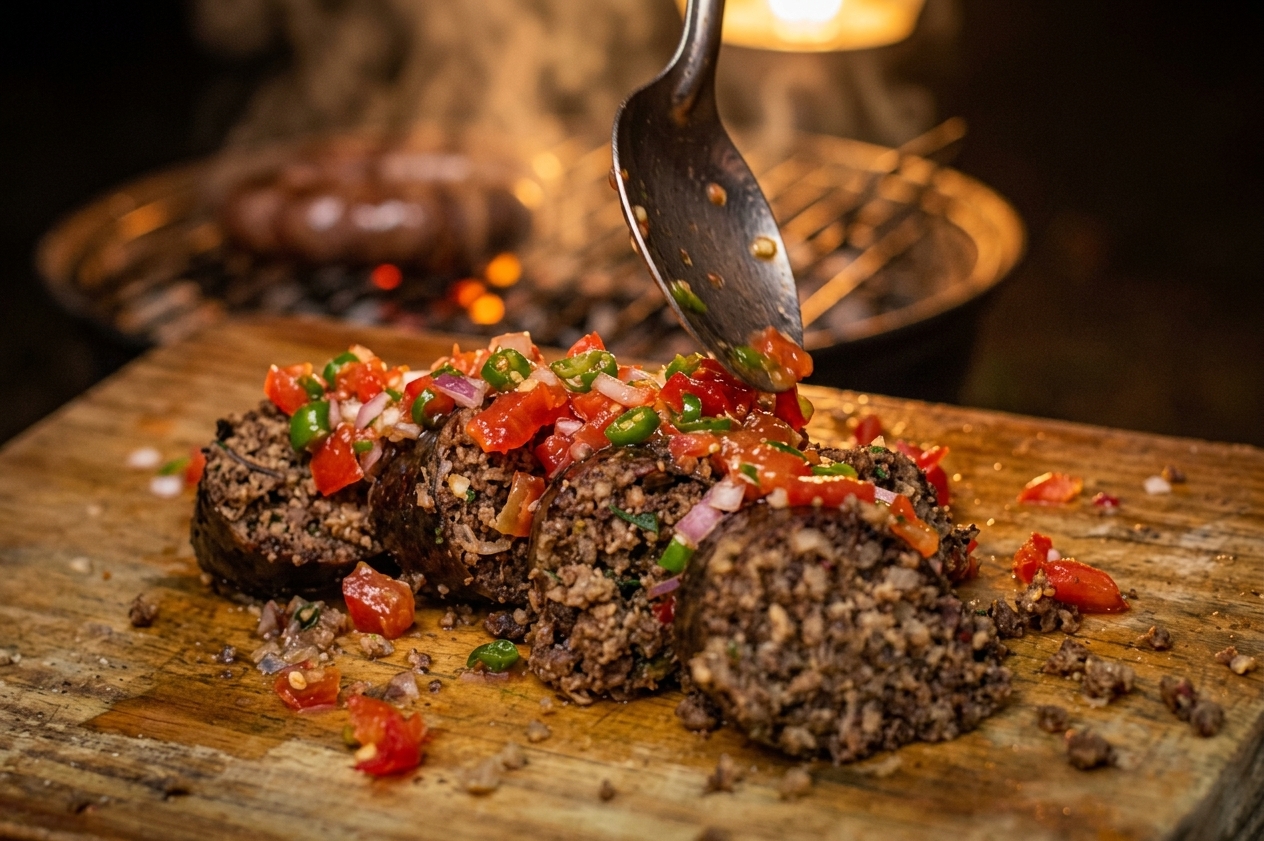
The blood is mixed with finely minced meat, chopped offal, garlic, ginger, chili, and generous handfuls of fresh coriander. The mixture is stuffed into cleaned intestines, tied off, and grilled slowly over charcoal, turning often. The casing chars and crisps while the filling sets into a dense, crumbly texture. Vendors slice it to order on a wooden board with a sharp knife, topping each portion with fresh kachumbari.
Taste
Iron-rich and savory from the blood, with a strong hit of fresh ginger and garlic. The chili brings heat that builds. Fresh coriander runs through every bite. The charcoal grill adds smokiness to the exterior. Nothing delicate about it.
Texture
The casing is charred and chewy from the grill. Inside, the filling is dense, dry, and crumbly, closer to a cooked grain than a smooth emulsion. The pieces of offal give variation: some bites are softer (liver), some chewier (tripe). The kachumbari on top adds crunch and moisture.
Rituals & Traditions
After dark only
Mutura is a nighttime food. The vendors set up their charcoal grills as the sun goes down, and the stands stay open until late. Eating mutura during the day is unusual. The glow of the charcoal and the smell of grilling meat are part of Nairobi's night atmosphere.
Eat it standing
Mutura is street food. You eat it standing at the vendor's board, picking up slices with a toothpick or your fingers. There are no tables, no chairs, no plates. The cutting board is the plate.
Follow your vendor
The best mutura vendors have loyal customers who know their schedule and location. A good vendor's spice blend is a personal secret. When you find one you like, you remember where they stand.
Recipes
Mutura Breakfast Fry-Up
Mutura
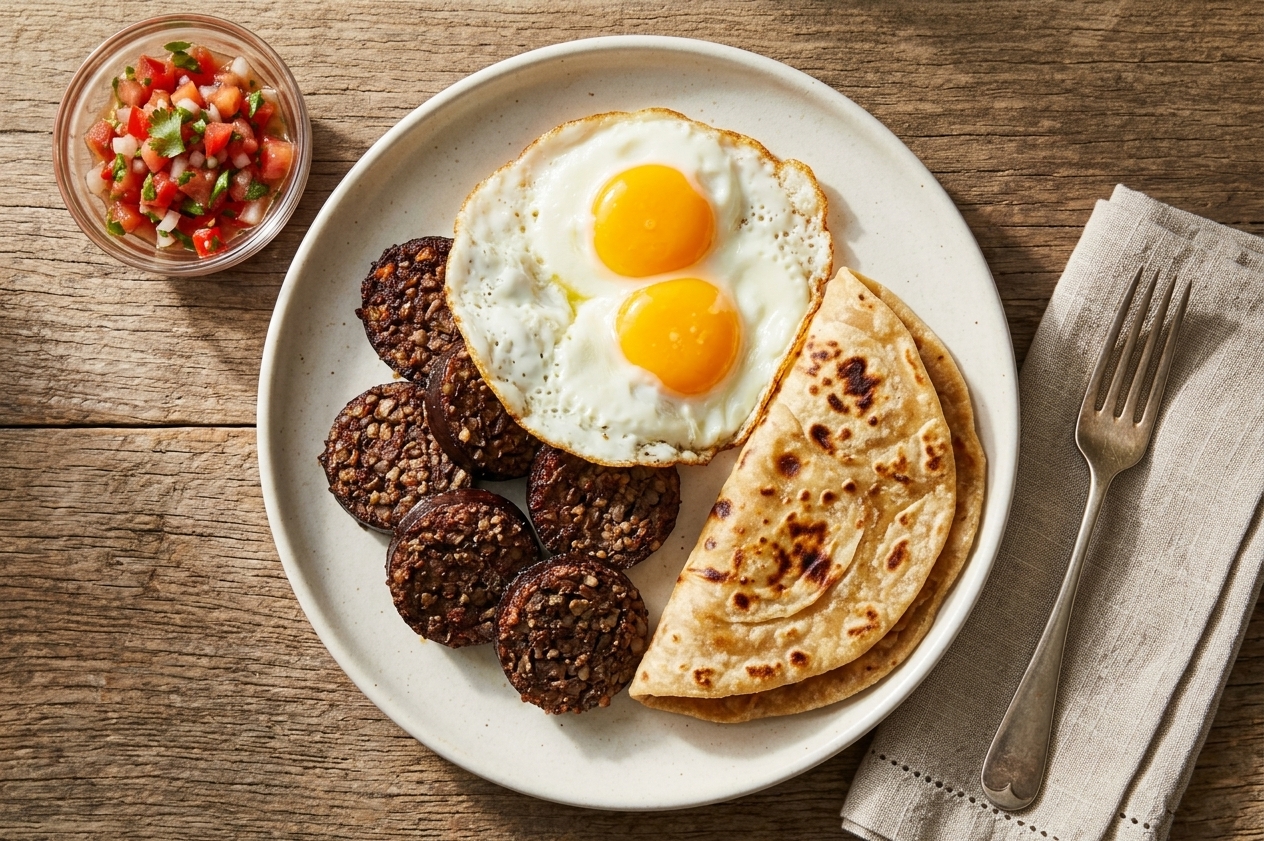
Pan-fried mutura slices with eggs, chapati, and fresh kachumbari. A Kenyan take on the hearty breakfast fry-up, popular in Nairobi's breakfast spots.
Grilled Mutura with Kachumbari
Mutura
The Nairobi street food classic: mutura grilled over charcoal until the casing chars and crisps, sliced into thick rounds and topped with fresh kachumbari. The way every vendor in Kenyatta Market serves it.
Mutura and Bean Stew
Mutura
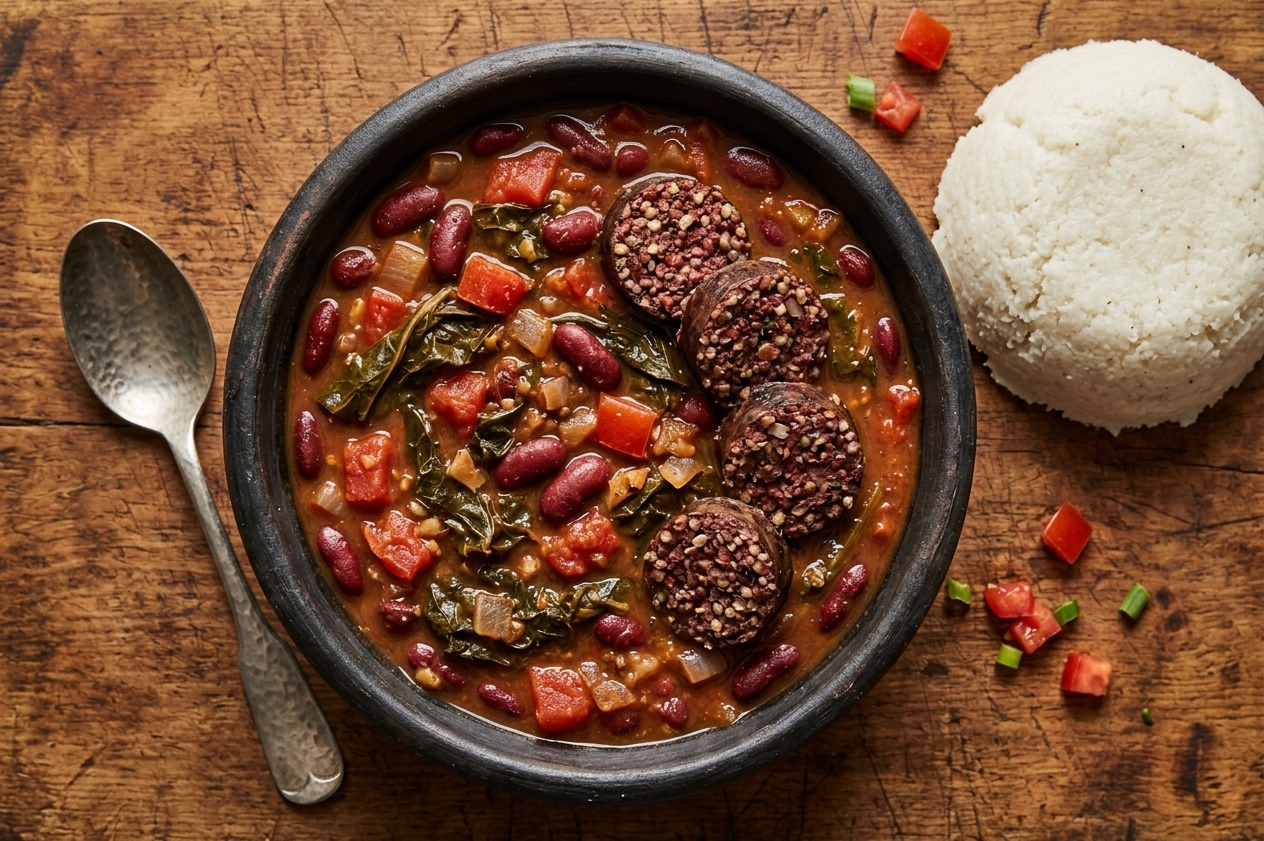
A home-style Kenyan stew where sliced mutura is simmered with red kidney beans, tomatoes, and sukuma wiki (collard greens). Hearty, warming, and a good way to stretch mutura into a full meal. Served over ugali.
On the Map
Where to Eat
Kenyatta Market
Nairobi, Kenya
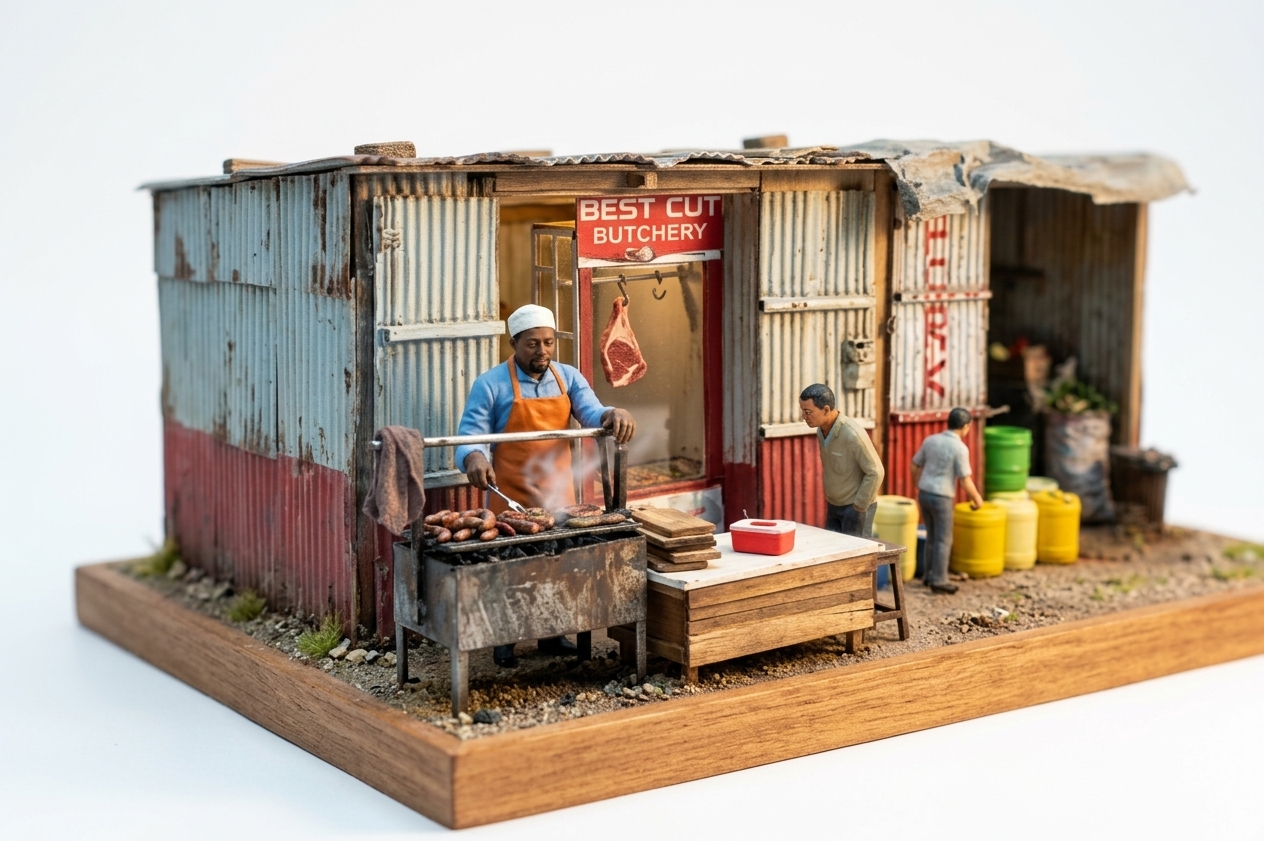
Nairobi's most famous open-air nyama choma market, a strip of grilling stalls near Kenyatta National Hospital. Goat meat is the main draw, but mutura is grilled fresh alongside it at most stalls. Lunchtime is peak hours. The atmosphere is loud, smoky, and social. Featured by food writers including Mark Wiens. Pick a busy stall, point at what you want, and eat standing or at shared benches.
Sagret Hotel Equatorial - Nyama Choma Hub
Nairobi, Kenya
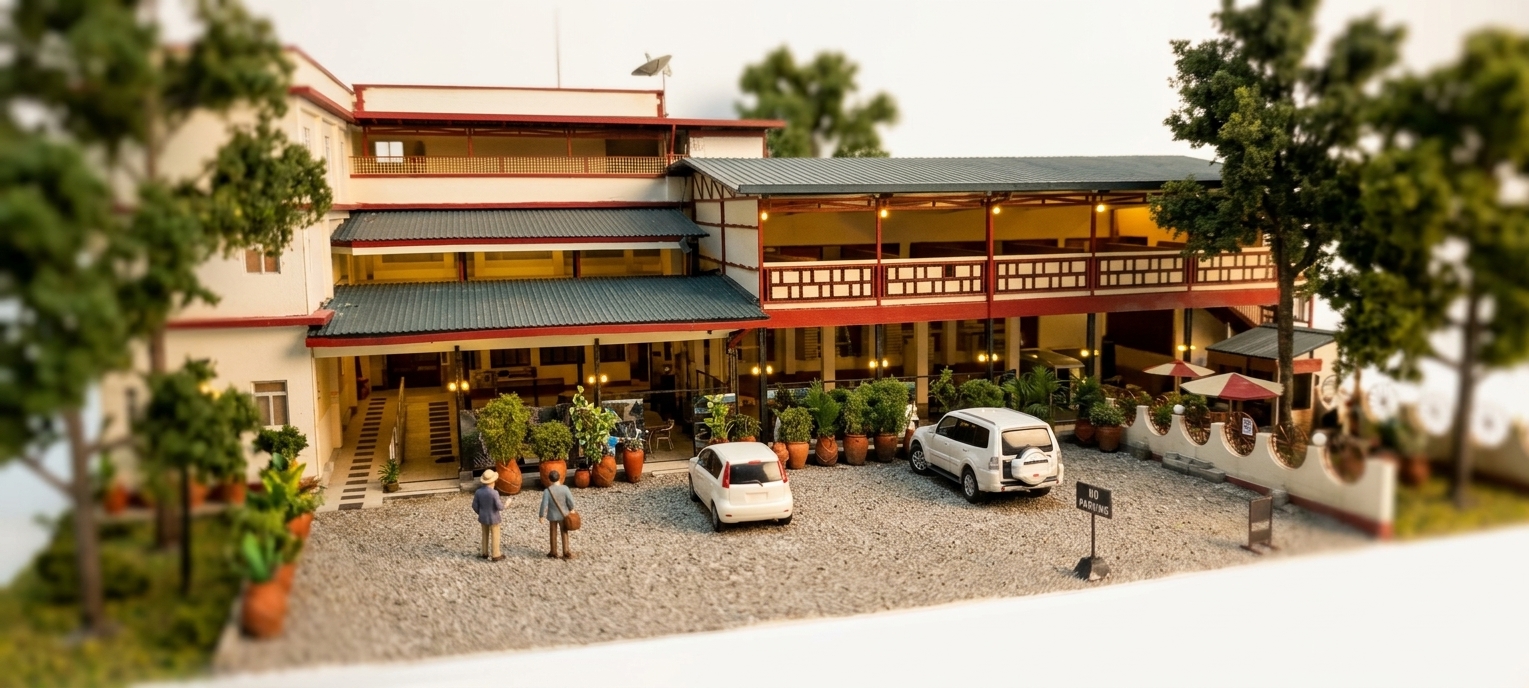
A 37-year Nairobi institution in Kilimani with a dedicated Nyama Choma Hub. You pick your raw meat at the counter and it is grilled for you. Mutura is on the menu alongside goat, beef, and chicken. A sit-down experience with proper amenities, unlike the market stalls, but the same charcoal-grilled flavor.