Medisterpølse
Copenhagen & Zealand, Denmark
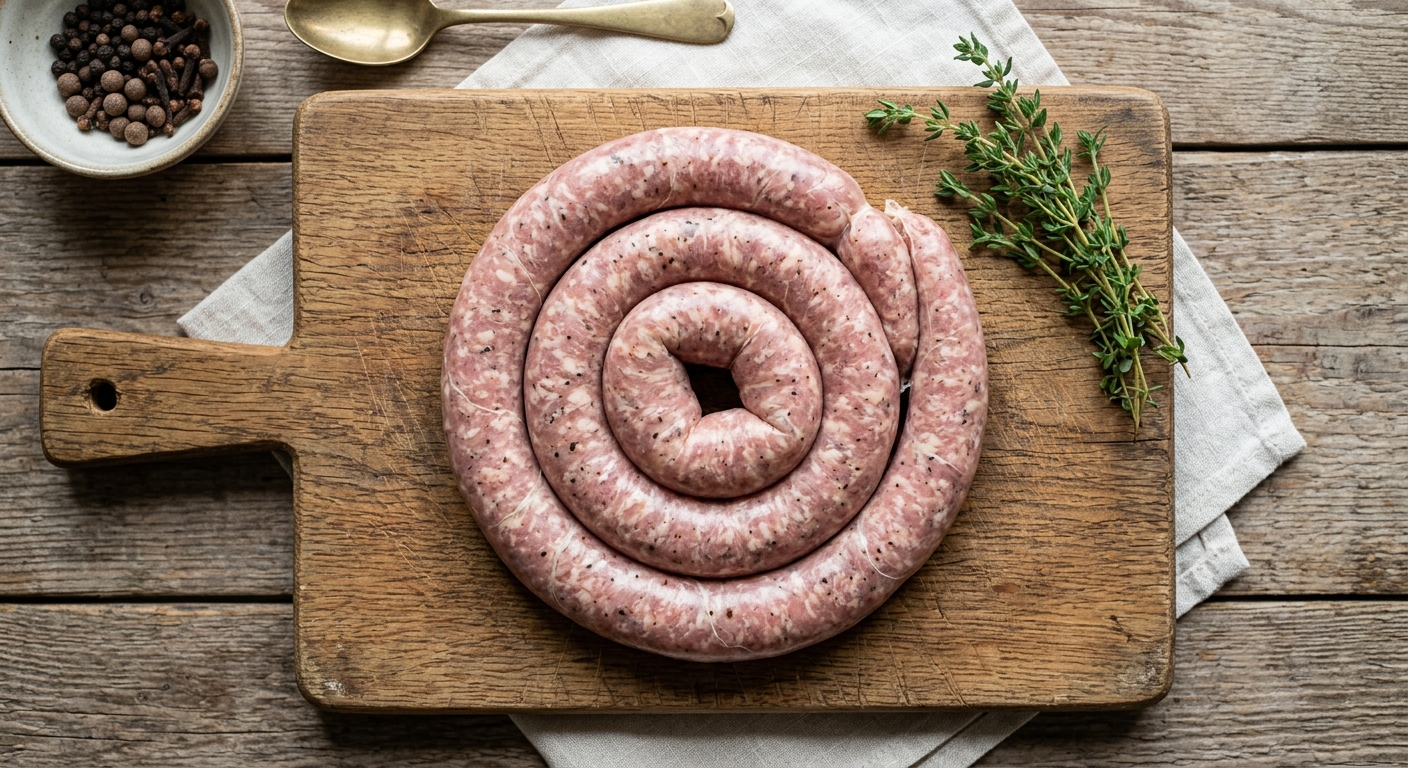
Medisterpølse is a coarse, lightly spiced pork sausage that has been a fixture of the Danish kitchen for at least two centuries. Coiled into long spirals or formed into fat, loosely linked rings, it is sold at every Danish butcher and supermarket, most often pan-fried or griddled until the exterior develops a dark, crackling crust while the interior stays loose and juicy. The sausage is made from coarsely minced pork with a high fat content, seasoned with allspice, cloves, and salt, and stuffed into natural pork casings. No curing, no smoking: medisterpølse is a fresh sausage meant to be cooked and eaten the same day. It appears on the Danish Christmas table alongside flæskesteg and rødkål, and on ordinary weekday plates with boiled potatoes and brown gravy. It is also one of the few traditional Danish meat preparations that works convincingly as a smørrebrød topping, sliced thick and laid on rugbrød.
History
The word medister derives from the Latin 'intestinum medianum', the middle intestine, which was historically used as the casing. Danish records from the 18th century mention medisterpølse as a household preparation made at autumn slaughter time, when a pig was killed and every part was turned into something edible before the cold set in. Housewives ground the trimmings, seasoned the meat with the spices available, and stuffed it into the cleaned intestines. Allspice reached Denmark through trade with the Caribbean in the 17th century and became one of the characteristic flavourings of Danish sausages, distinguishing them from German and Swedish counterparts that relied more heavily on caraway or white pepper. By the 19th century, urban butchers in Copenhagen were producing medisterpølse year-round, and it moved from a seasonal preservation food to an everyday item. Industrialisation standardised the recipe in the 20th century. Today every major Danish producer offers a version, and the sausage is so embedded in Danish food culture that it appears on restaurant menus as a symbol of traditional cooking rather than peasant fare.
Ingredients
Preparation
Pork shoulder and belly fat are ground together on a coarse plate, leaving visible pieces of fat in the mix. Allspice, ground cloves, salt, and white pepper are worked through the mince by hand. The seasoning is deliberately restrained: the spices provide warmth and depth but do not overwhelm the pork. The mixture is stuffed into natural pork casings without gaps, then coiled into a long spiral or twisted into fat links. The sausage is not cured or smoked. At home, a single coil is placed directly into a cold pan with a little lard or butter, then brought up to medium heat so the fat renders slowly and the casing crisps without splitting. The coil is pressed lightly with a spatula and turned once or twice over 15 to 20 minutes. Good colour on the exterior is the goal: the meat inside cooks through from the residual heat of the crust.
Taste
The dominant flavour is pork fat, rich and round, with allspice providing a background warmth that reads as almost sweet. Cloves come through in the cooler end of the bite. The seasoning is subtle by most European standards: this is not a spiced sausage in the way chorizo or merguez are spiced, but a sausage that lets the quality of the pork carry the plate. The crust adds bitterness at the edges where the Maillard reaction has run furthest. Rødkål on the side cuts the fat with acidity and sweetness in equal parts.
Texture
Coarse and loose inside the casing: the grind is visible as distinct fibres and fat pieces rather than a smooth paste. The exterior crust is firm, dry, and crisp where it has had extended contact with the pan. Biting through the crust into the loose mince produces a contrast that is particular to this sausage. The pork stays moist because the high fat content bastes the meat from within as it renders.
Rituals & Traditions
The Christmas table
Medisterpølse appears on the Danish Christmas Eve table alongside flæskesteg (roast pork with crackling), rødkål, caramelised potatoes, and brown gravy. It is not the centrepiece but it is always present, the coil fried whole and cut at the table. Families who do not eat it all year will fry a coil on the 24th of December as a matter of tradition. The same sausage from the same butcher, year after year, is part of what makes the meal feel correct.
Frying in the coil
Medisterpølse is sold as a loose coil and is traditionally fried as a coil rather than cut into links before cooking. A cold heavy pan, lard or butter, and medium heat from the start: this method renders the internal fat slowly and builds a crust on both flat sides of the coil. Cutting the sausage before cooking is considered a shortcut that produces an inferior result. The coil goes to the table whole and is cut by whoever is serving.
Rest before slicing
After the coil comes off the heat, leave it in the pan for two or three minutes before slicing. The residual heat finishes any undercooked interior and the juices redistribute through the mince. Cutting immediately produces a plate flooded with fat and juice. The two-minute wait is small, but the difference on the plate is visible.
Recipes
Medisterfars Frikadeller
Medisterpølse
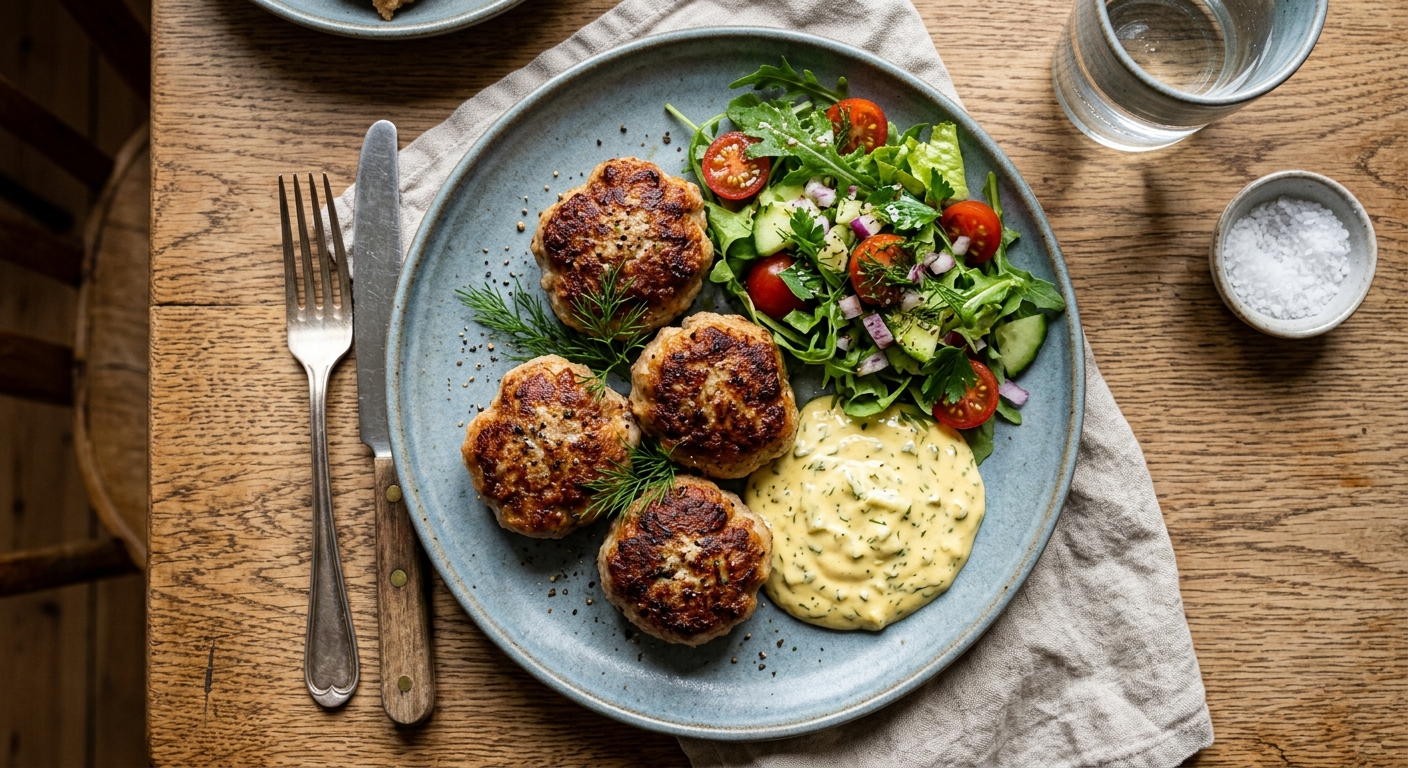
Frikadeller made from medisterfars, the same seasoned pork mixture used in medisterpølse but without the casing, shaped by hand into flat oval patties and pan-fried in butter. These are not meatballs in the Italian sense but a distinct Danish preparation: flatter, wider, and cooked until the exterior is heavily browned. The allspice and clove seasoning that defines medisterpølse carries through directly into the frikadeller. This is the simplest version, made when the sausage mix is on hand and no casings are.
Medisterpølse i Svøb
Medisterpølse
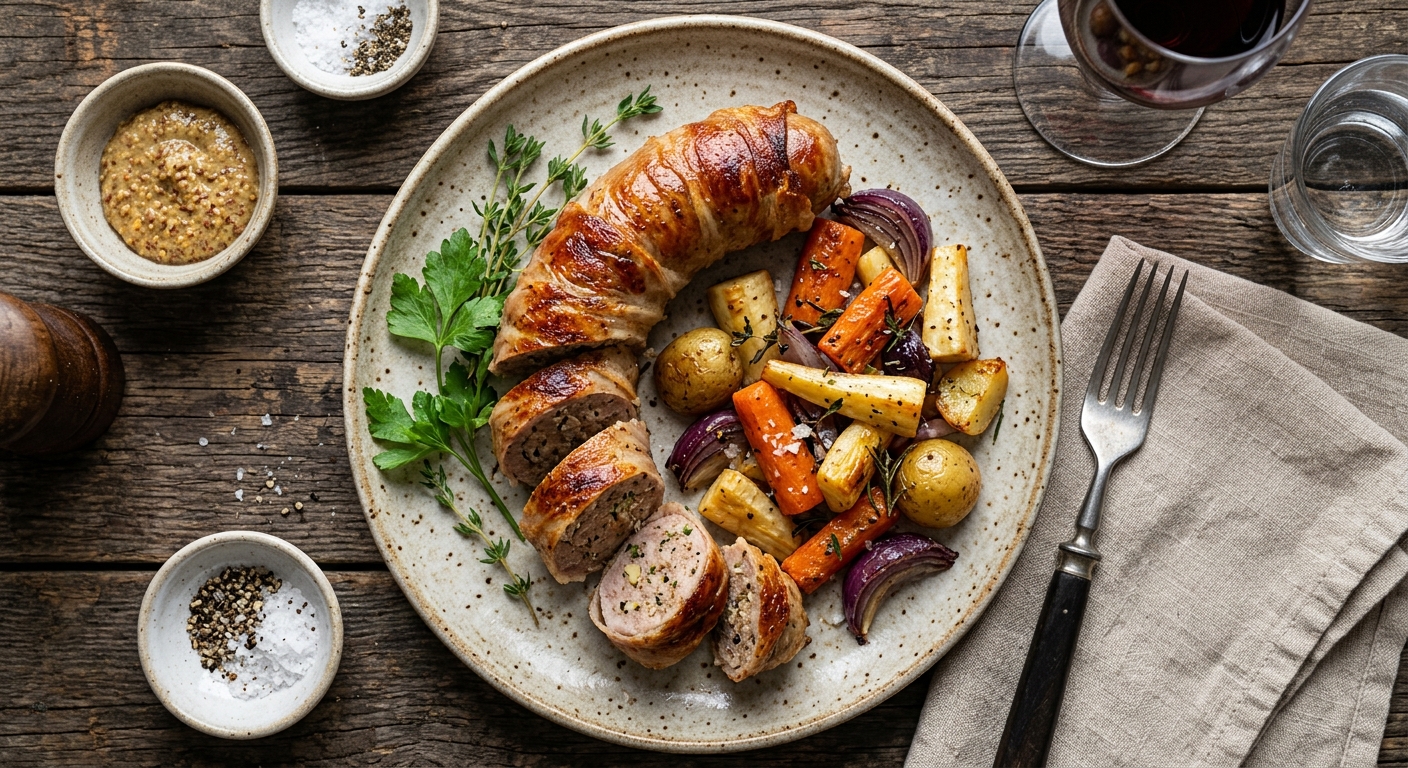
Medisterpølse wrapped in caul fat and roasted in the oven: an older preparation that predates the common pan-frying method and produces a fundamentally different result. The caul fat, the lacy membrane that surrounds the stomach of a pig, bastes the sausage from outside as it renders in the oven heat. The exterior forms a golden, crackled shell across the entire surface, not just on the two flat sides that contact a pan. This version is richer and more self-contained. It appears in older Danish cookbooks and is still served at traditional restaurants alongside pickled cucumber and boiled potatoes.
Medisterpølse med Æggekage
Medisterpølse
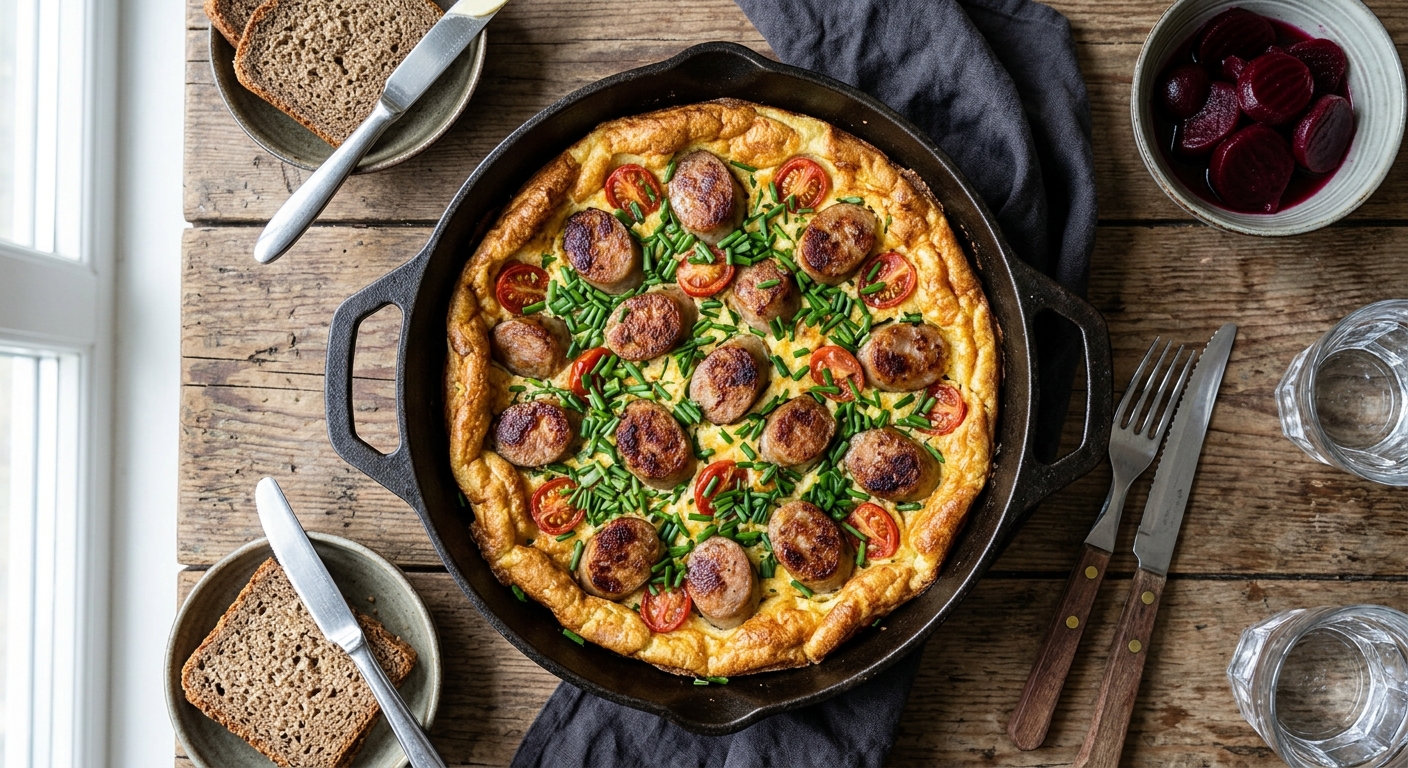
Medisterpølse sliced and fried alongside æggekage, the thick Danish egg cake that sits somewhere between a frittata and a pancake. The eggs are whisked with a little flour and milk, poured into the pan where the sausage has already been frying, and cooked until just set in the middle. The result is cut in wedges and eaten straight from the pan. This is farm food, the kind of meal made when something fast was needed after a long day. The sausage fat enriches the egg cake from below as the egg sets around and beneath the sausage pieces.
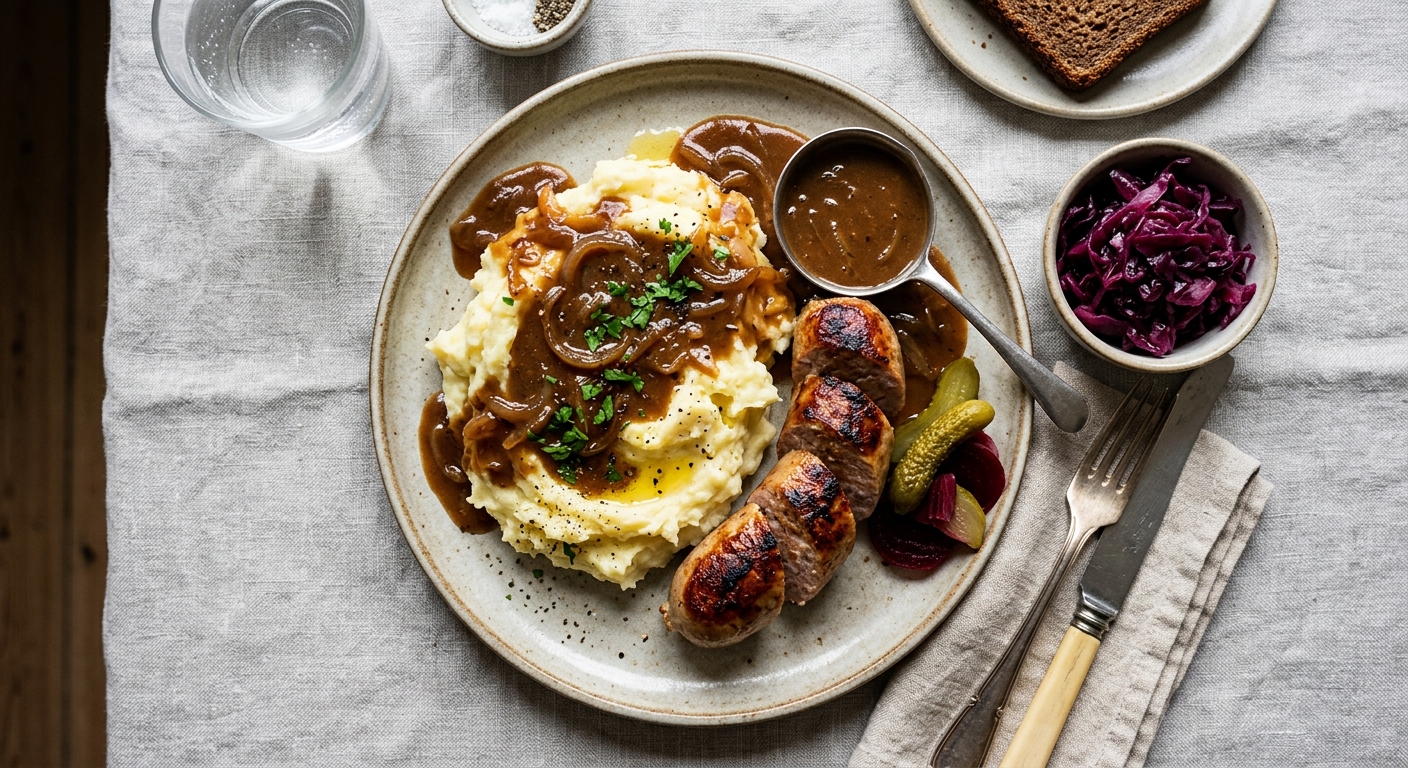
Medisterpølse med Kartoffelmos og Løgsovs
Medisterpølse
Sliced medisterpølse on a mound of butter-rich mashed potato, covered with a dark onion gravy made from the pan drippings. This is the heartiest preparation in the Danish repertoire for this sausage: a combination that fills the plate edge to edge and relies on the quality of each element rather than any complexity of technique. The gravy gets its colour from the caramelised onions and its body from a little flour worked into the fat.
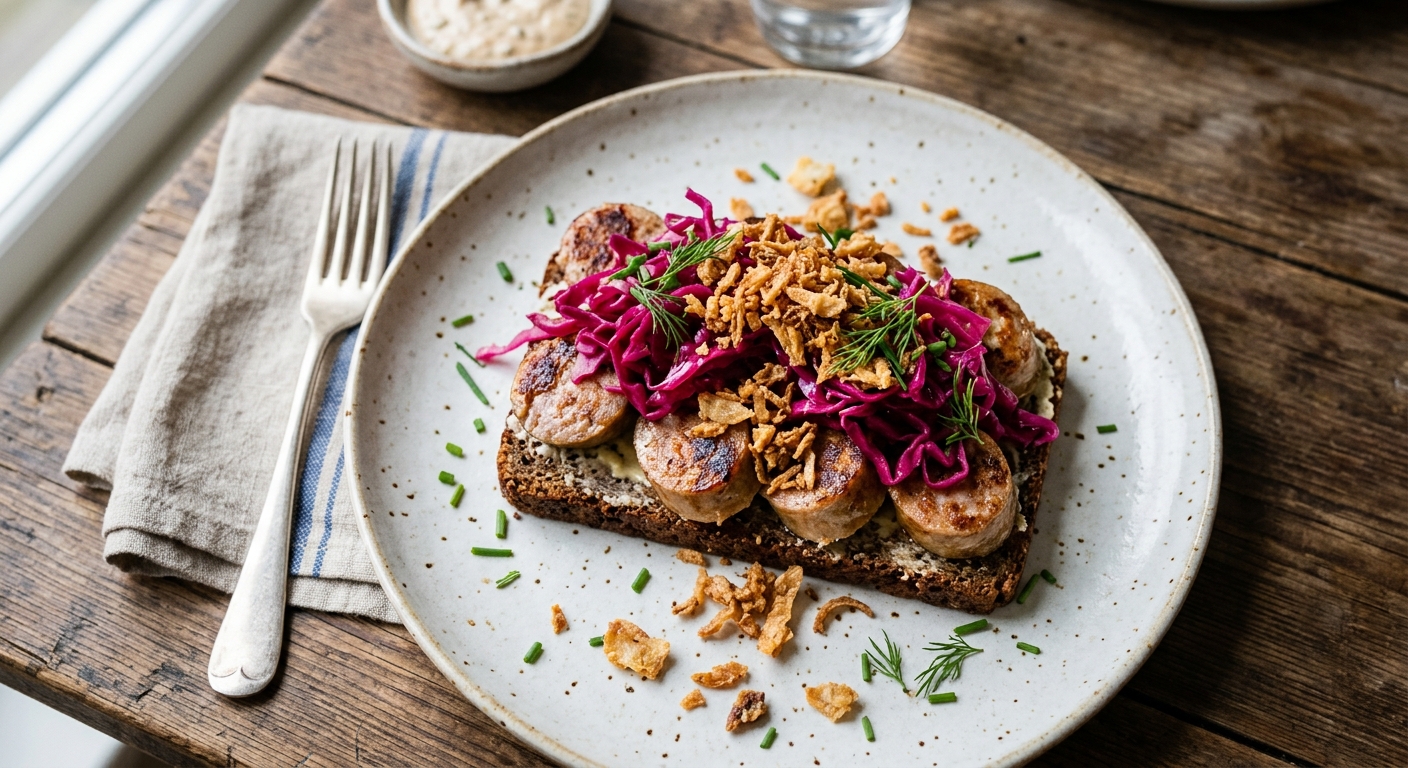
Medisterpølse Smørrebrød
Medisterpølse
An open-faced Danish sandwich built on a thick slice of dark rye bread: pan-fried medisterpølse slices, braised red cabbage, crisp fried onions, and a sprig of parsley. Smørrebrød is the dominant lunchtime format in Denmark, and medisterpølse is one of the classic warm toppings alongside frikadeller and leverpostej. The bread must be good rugbrød and the sausage must be fried until the exterior is dark, not just cooked through.
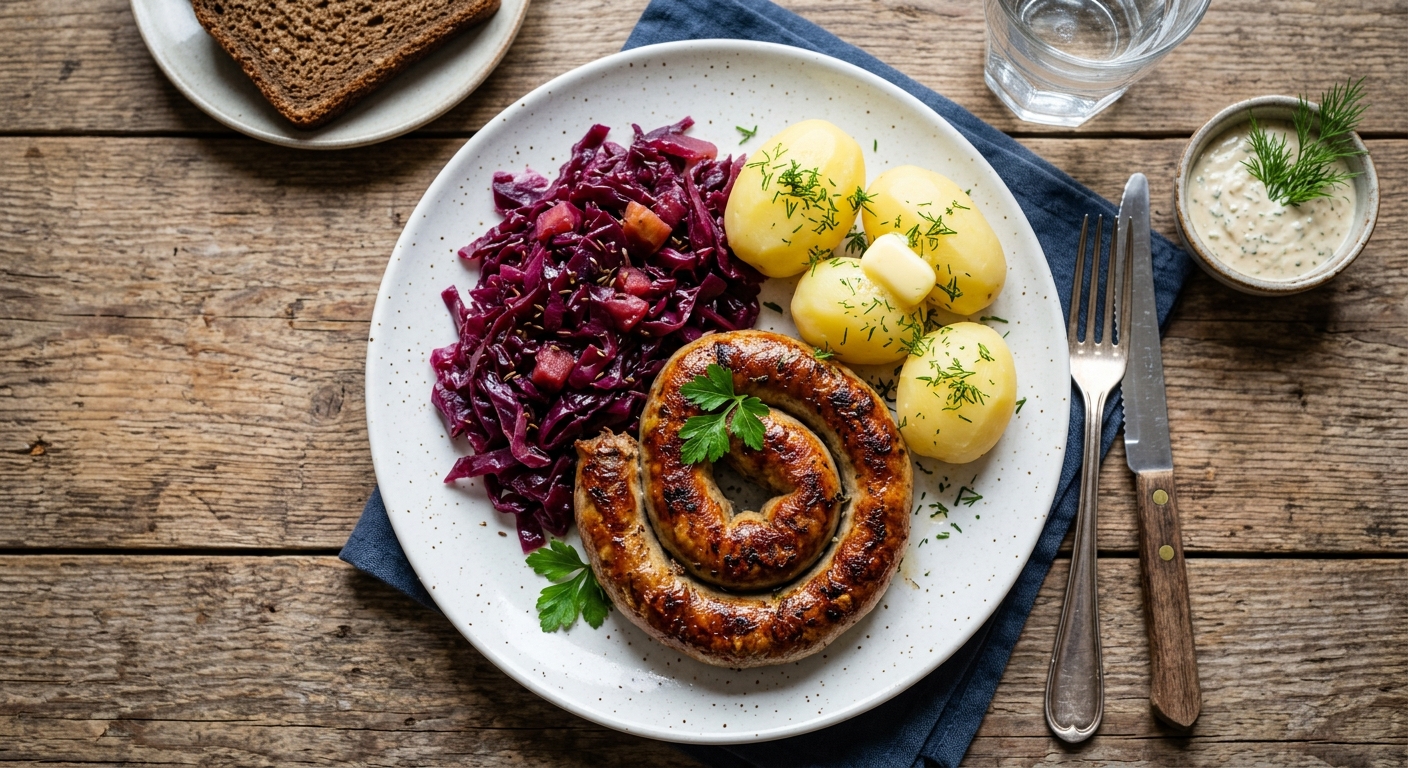
Stegt Medisterpølse med Rødkål
Medisterpølse
Pan-fried medisterpølse cooked as a whole coil until both sides develop a dark, crackling crust, served with braised red cabbage and boiled potatoes. This is the standard weekday preparation across Denmark and the form in which medisterpølse appears most often at the dinner table. The coil fries slowly in its own rendered fat and the rødkål is made the day before and reheated, which improves it.
On the Map
Where to Eat
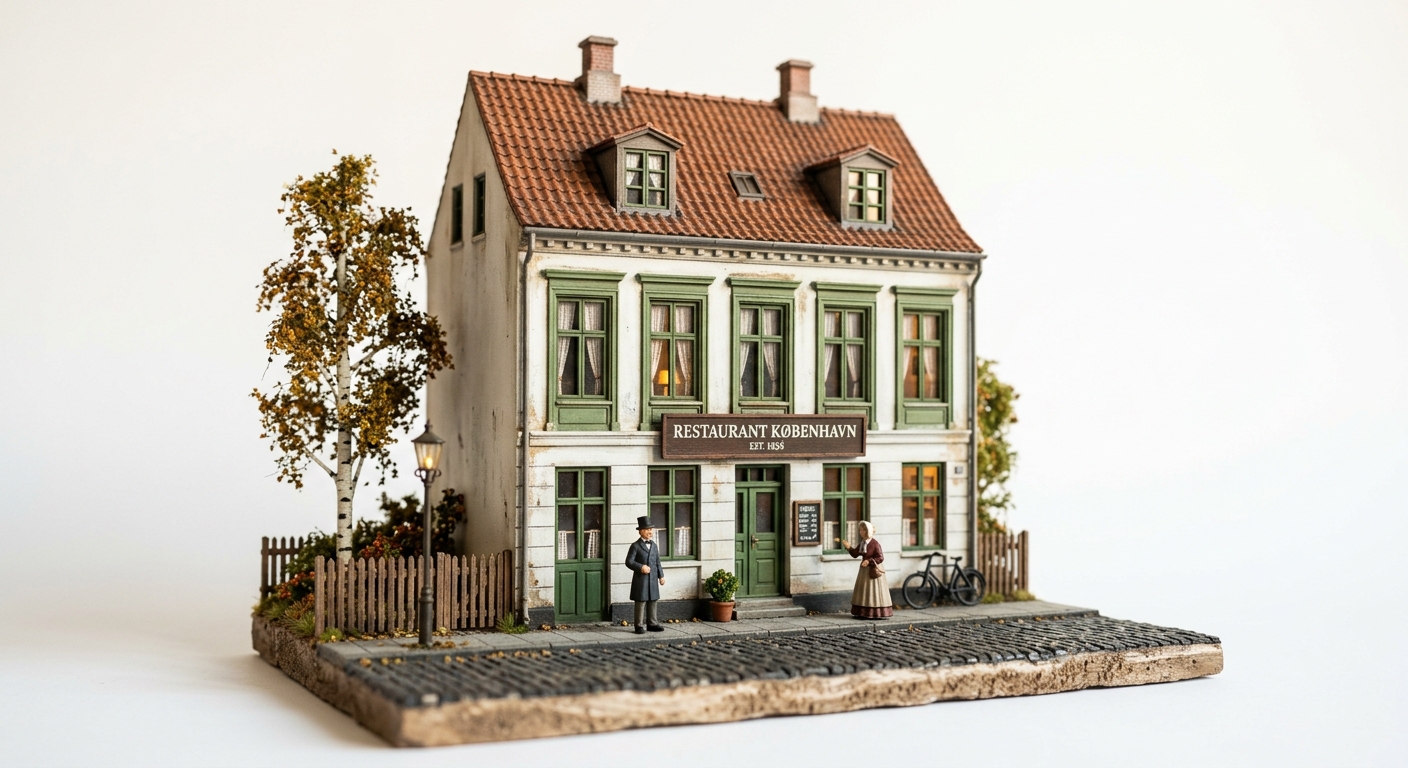
Restaurant Schønnemann
Copenhagen, Denmark
Schønnemann has operated from the same basement on Hauser Plads since 1877, making it one of the oldest continuously running lunch restaurants in Denmark. The room has dark wood panelling, green walls, and white linen that has barely changed in a century. The menu runs to several dozen smørrebrød, each assembled to order on dense rye bread baked in-house. Medisterpølse appears as a warm open-faced sandwich, the thick pan-fried slices laid on rugbrød with a spoon of red cabbage and a scattering of fried onions. The aquavit list exceeds 140 varieties. Reservations are required weeks in advance.
Slotskælderen hos Gitte Kik
Copenhagen, Denmark
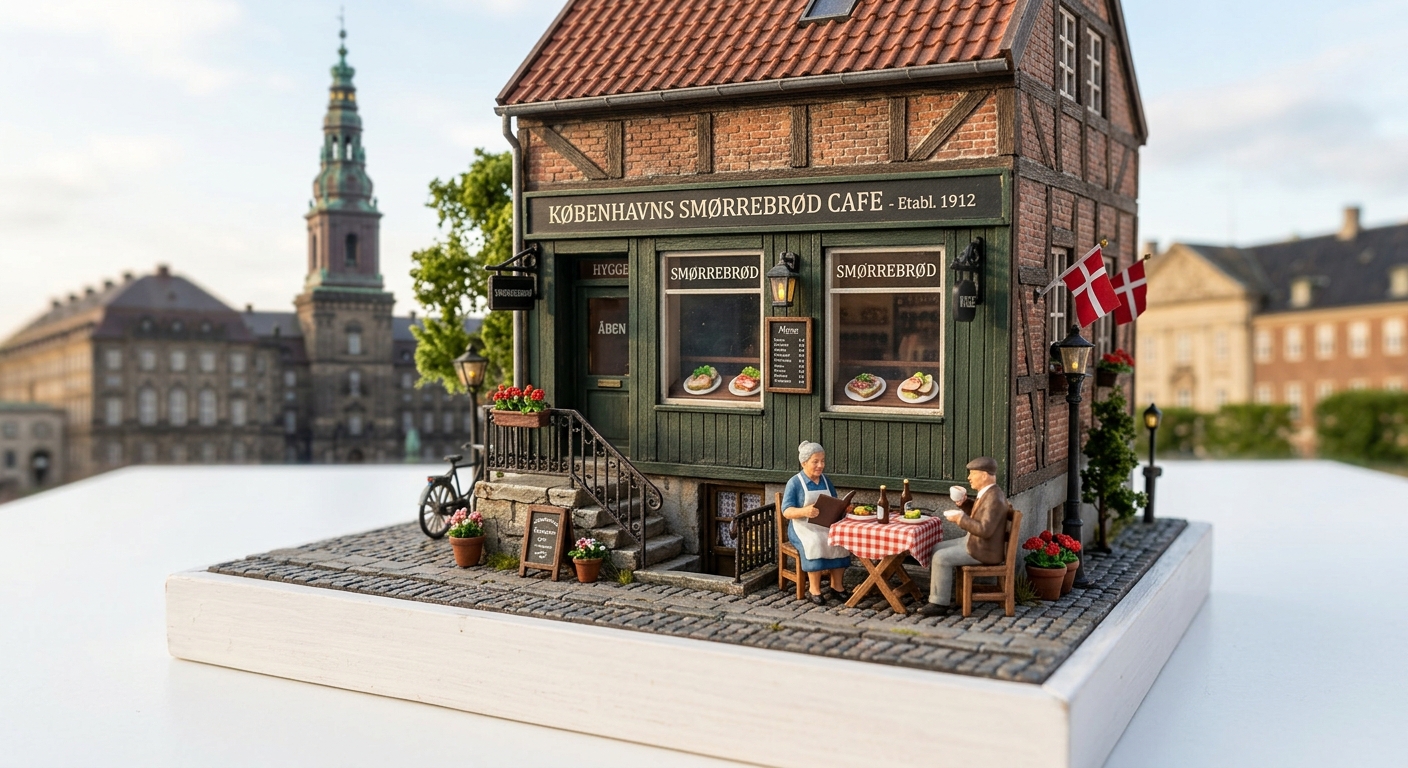
Slotskælderen has been run by the same family since 1910, operating out of a basement built in 1797 on Fortunstræde, a narrow street directly across from Christiansborg Palace. Members of parliament have eaten lunch here for generations, drawn by the unchanged cooking and the absence of pretension. The smørrebrød list is long and traditional. Medisterpølse comes on rugbrød with red cabbage, fried onions, and a fried egg on request. The room fills fast on weekdays when parliament is in session. Reservations are strongly advised.
Told & Snaps
Copenhagen, Denmark
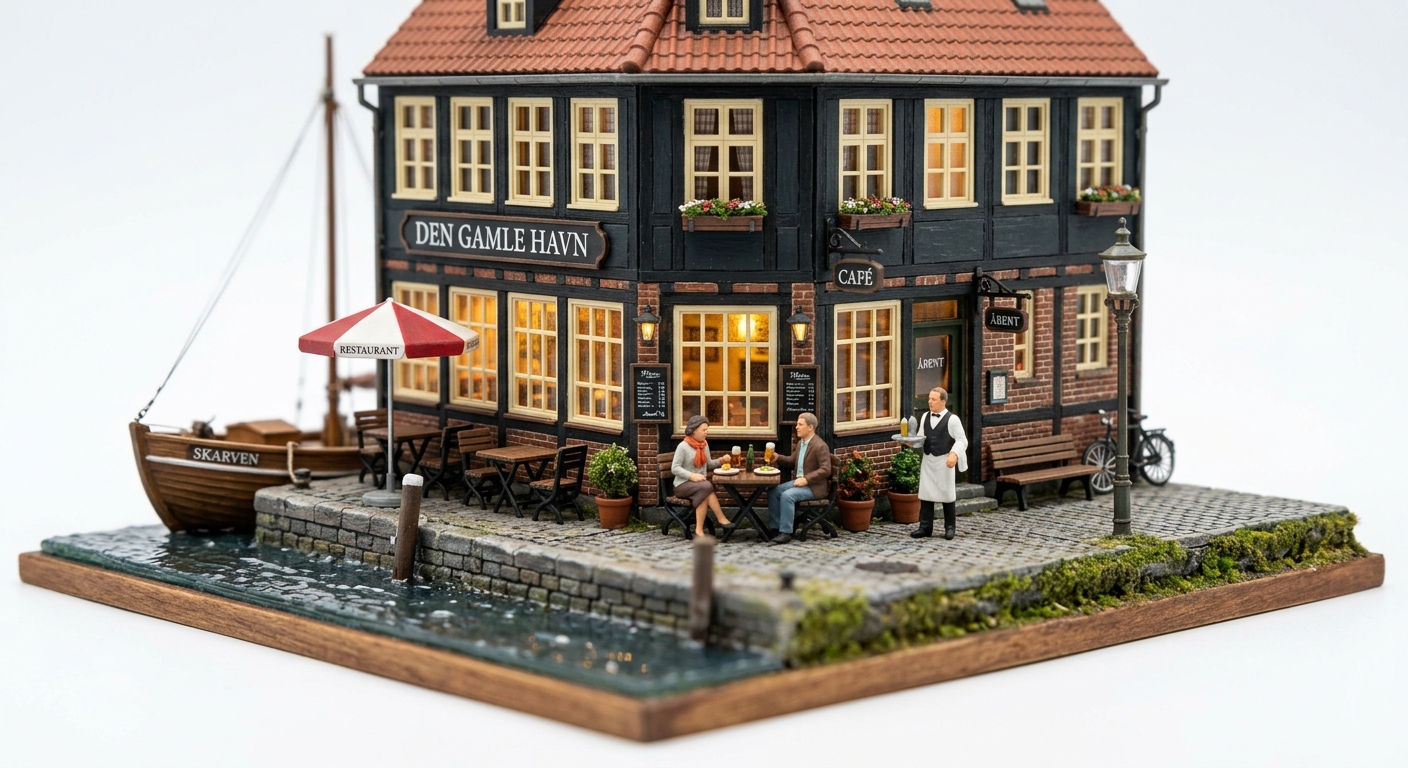
Told & Snaps opened in 2000 in a high-ceilinged basement on Toldbodgade, steps from Nyhavn. The restaurant serves classic Danish smørrebrød at lunch every day, with most ingredients sourced organically. The menu follows the traditional structure: herring first, then fish, then meat. Medisterpølse arrives as a warm open sandwich on dark rye bread with pickled red cabbage and crisp fried onion rings. The drinks list features more than twenty house-made snaps infused with herbs, spices, and fruit. The room is unhurried and the portions are generous.