Lap Cheong
臘腸 (Làcháng)
Guangdong
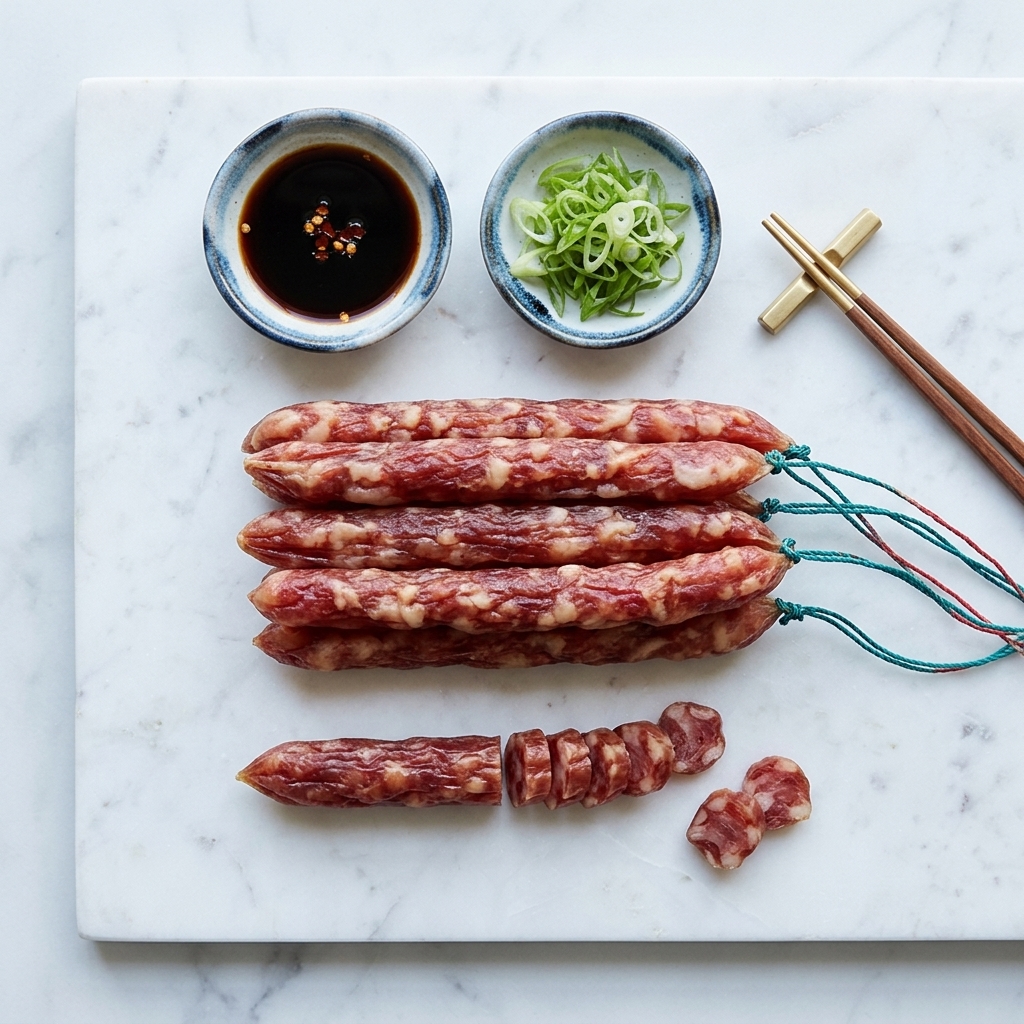
Lap Cheong is a dried, cured pork sausage from southern China, recognized by its thin, wrinkled skin, deep red color, and sweet-savory flavor. Made from coarsely chopped pork and pork fat, seasoned with soy sauce, rice wine, sugar, and sometimes rose water, then air-dried until firm. The sausages are sold in pairs tied with string and need to be cooked before eating, most often sliced and steamed on top of rice. A Cantonese kitchen staple for centuries, Lap Cheong shows up in stir-fries, clay pot rice, turnip cake, and sticky rice stuffing.
History
Lap Cheong dates back over a thousand years in Chinese culinary history. The technique of salt-curing and air-drying meat was a preservation method long before refrigeration, and southern China's climate (humid winters with cool winds) proved ideal for drying sausages. The Cantonese version, with its pronounced sweetness from sugar and rice wine, became the most widely known. As Cantonese emigrants spread across Southeast Asia, they brought Lap Cheong with them. Today you find local versions in Vietnam, Thailand, the Philippines, and Malaysia, each adapted to local tastes. In Hong Kong and Guangzhou, specialty shops sell dozens of varieties: pure pork, duck liver, mixed pork-duck, even versions with Chinese sausage roses for Chinese New Year gifts.
Ingredients
Preparation
Coarsely chopped pork and fat are mixed with the seasoning, stuffed into thin natural casings, tied in pairs with string, and hung to air-dry for several weeks. Before eating, Lap Cheong must be cooked: the most common method is slicing it on the diagonal and laying it on top of rice in a rice cooker or clay pot during the last few minutes of cooking. The rendered fat flavors the rice. It can also be stir-fried with vegetables, diced into fried rice, or steamed whole.
Taste
Sweet and savory in equal measure. The sugar and rice wine give a caramelized sweetness, the soy sauce a deep umami. Pork flavor is concentrated from the drying. A faint floral note from rose water in traditional versions.
Texture
Firm and dense when raw, with visible chunks of white fat. When steamed or cooked, the fat softens and becomes translucent while the meat stays chewy. The thin casing is tender. Sliced on the bias, each piece has a mosaic of red meat and white fat.
Rituals & Traditions
Chinese New Year gift
In Cantonese culture, gifting a bundle of Lap Cheong during Chinese New Year is a traditional gesture. Specialty shops sell decorated bundles wrapped in red paper and ribbon. The cured meat symbolizes abundance and prosperity for the year ahead.
Always cook before eating
Unlike European dry-cured sausages, Lap Cheong is not eaten raw. It must be steamed, pan-fried, or boiled first. The cooking melts the fat and brings out the sweetness.
On top of the rice, not in it
The classic method: lay sliced Lap Cheong on top of the rice in the last 5 minutes of cooking. The steam cooks the sausage while the fat drips down and flavors every grain. Stir it through before serving.
Recipes
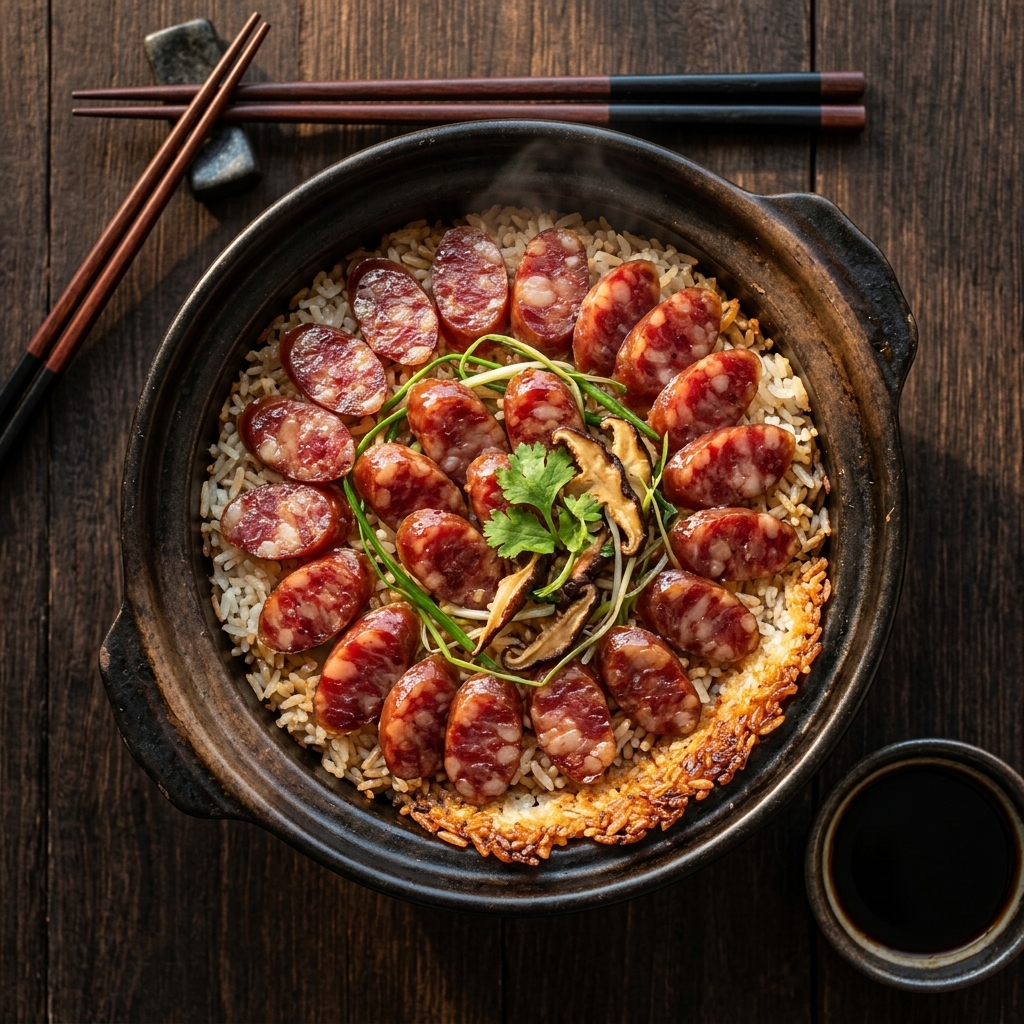
Clay Pot Rice with Lap Cheong
Lap Cheong
The Cantonese classic: rice cooked in a clay pot with Lap Cheong sliced on top, finished with a sizzle of soy sauce. The bottom layer of rice forms a golden, crispy crust called 'guo ba' that you scrape up and eat.
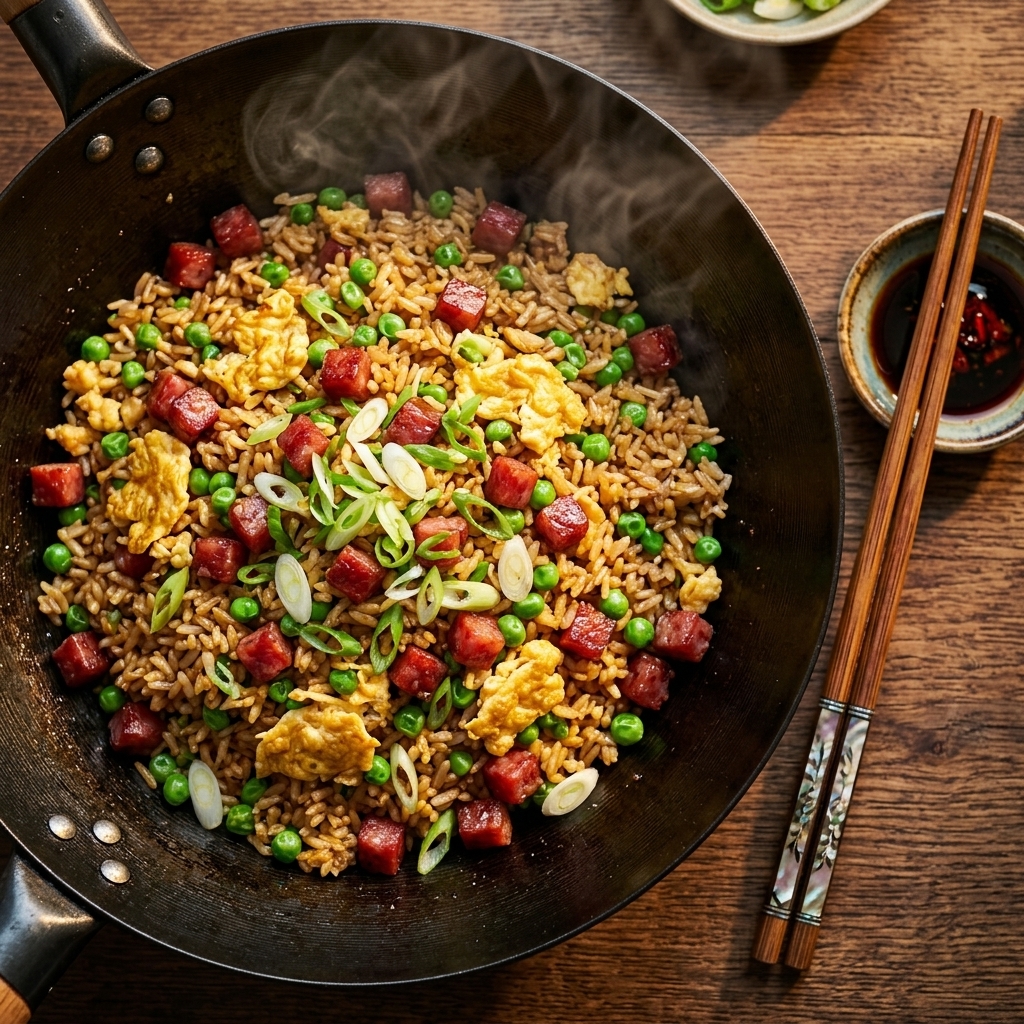
Lap Cheong Fried Rice
Lap Cheong
Quick weeknight fried rice where diced Lap Cheong does double duty: the rendered fat becomes the cooking oil, and the sweet-savory meat flavors every grain.
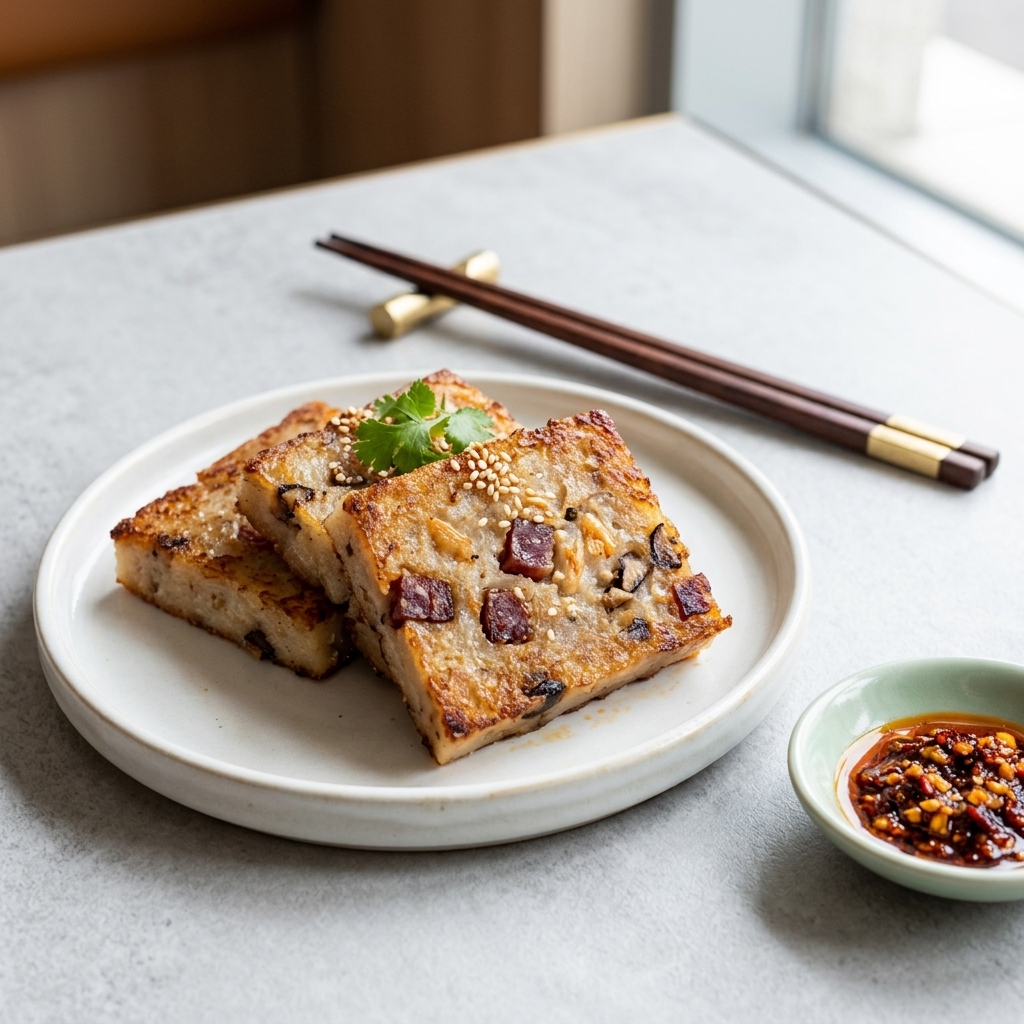
Turnip Cake with Lap Cheong (Lo Bak Go)
Lap Cheong
A dim sum classic: shredded daikon radish steamed with rice flour and diced Lap Cheong, then pan-fried until golden and crispy. Served at every Chinese New Year table and yum cha restaurant in Hong Kong and Guangdong.
On the Map
Where to Buy
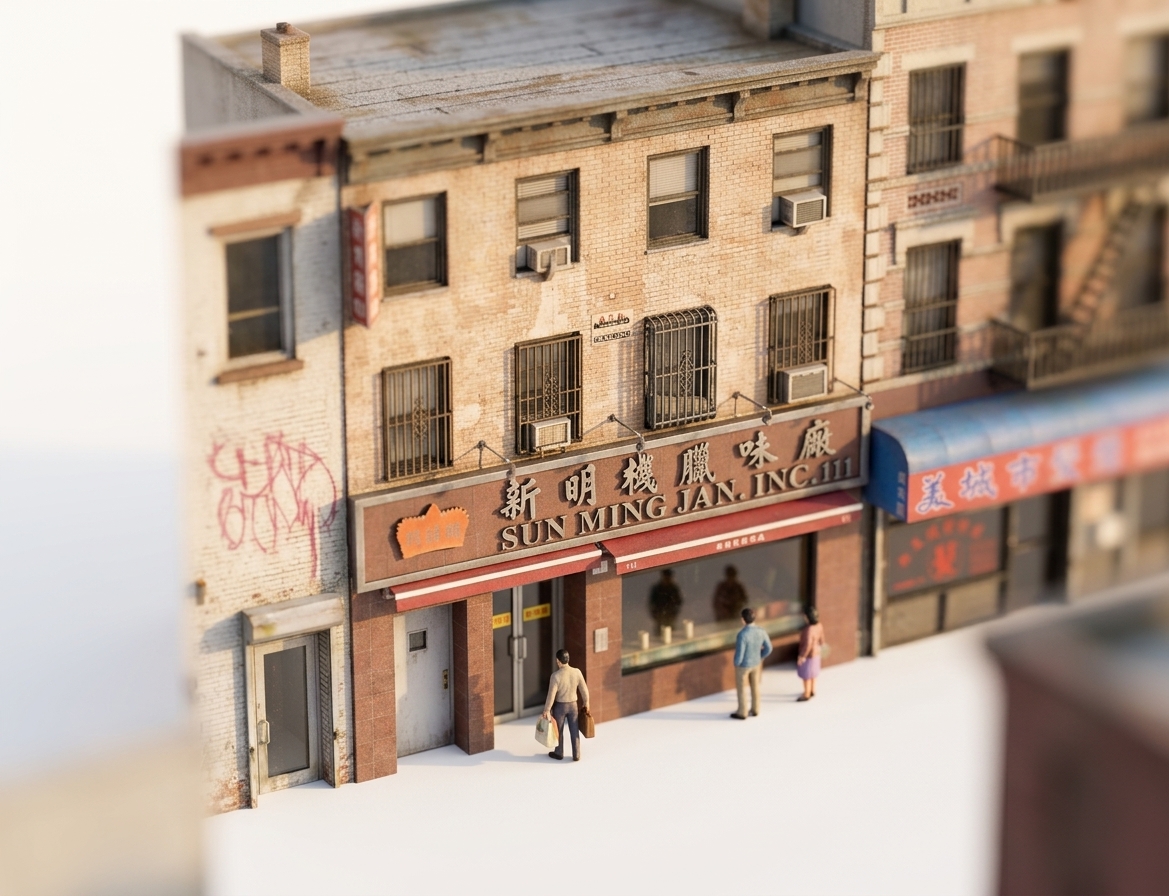
Sun Ming Jan
New York, United States
A multigenerational mom-and-pop charcuterie shop on Hester Street in Manhattan's Chinatown. They make pork sausage, duck liver sausage, cured pork belly, dried duck, and chicken in-house. The classic storefront has cured meats hanging in the window. Cash only. One of the last traditional Chinese dried-meat manufacturers in Lower Manhattan.
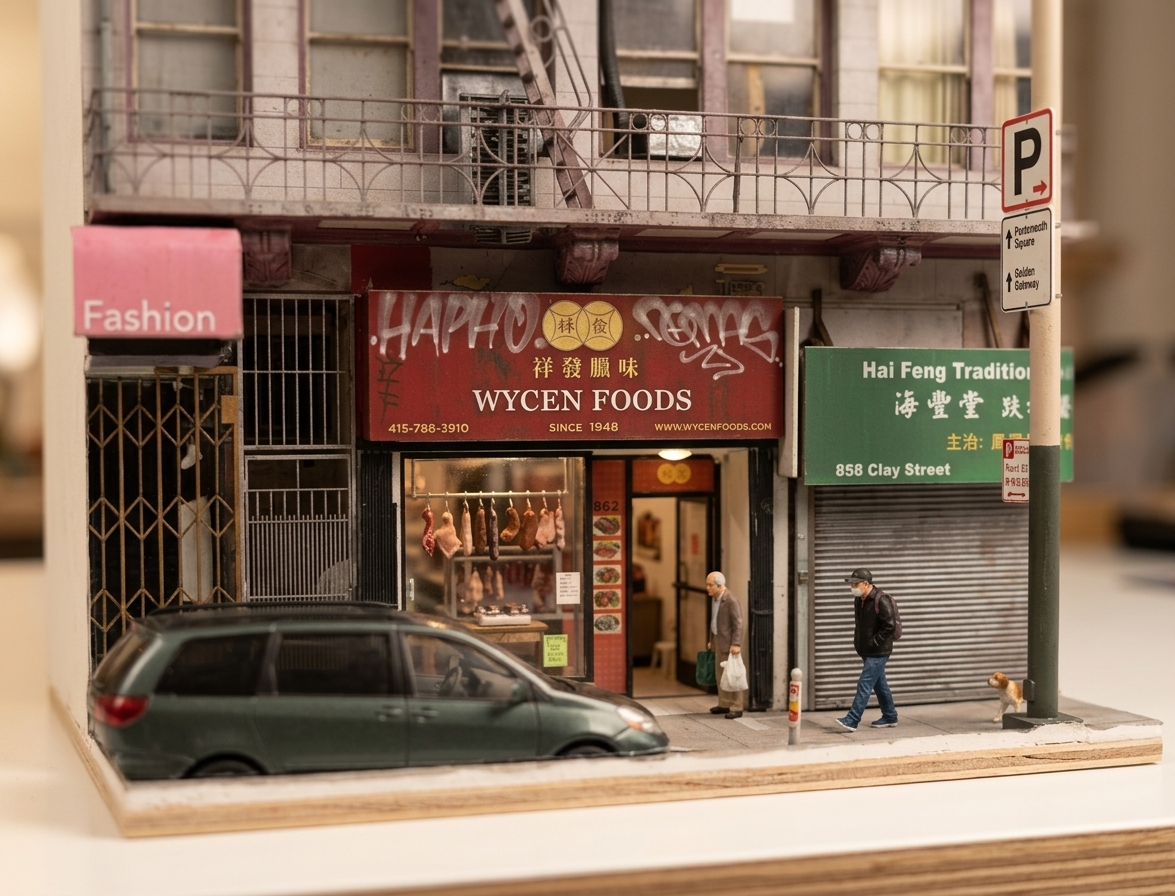
Wycen Foods (Chung Fat)
San Francisco, United States
One of the first Chinese sausage makers on the American West Coast, operating from the same Clay Street storefront since 1948. Wycen makes Lap Cheong on-site using their Chung Fat brand recipe, distributing throughout the US including Hawaii and Guam. A narrow Chinatown shop with cured meats in the window, three generations of family craftsmanship.
Where to Eat
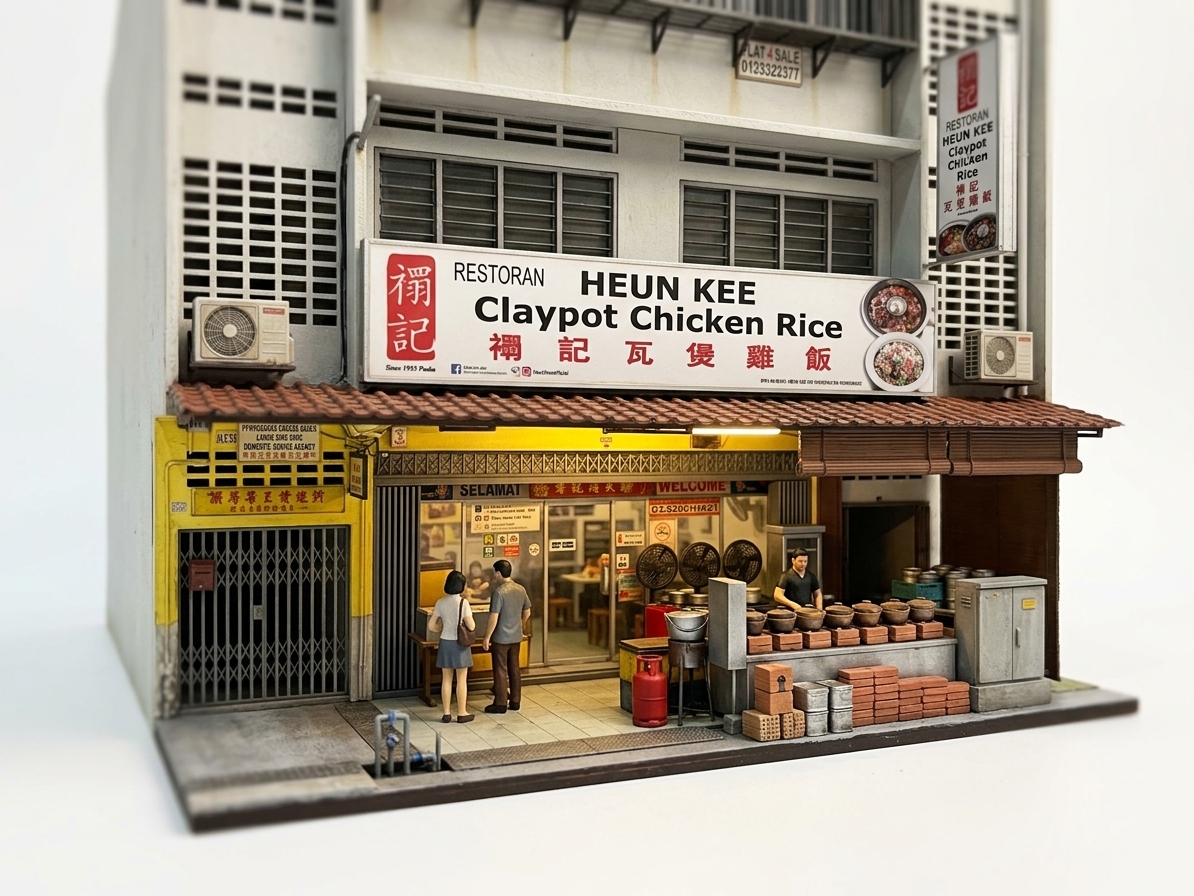
Heun Kee Claypot Chicken Rice
Kuala Lumpur, Malaysia
A Michelin Bib Gourmand claypot rice institution in Pudu, Kuala Lumpur, operating since 1985. Each pot is cooked over charcoal in the open kitchen at the shopfront. The signature claypot chicken rice with lap cheong comes with a dark soy crust and smoky aroma from 40 years of seasoned clay pots. A KL food pilgrimage essential.
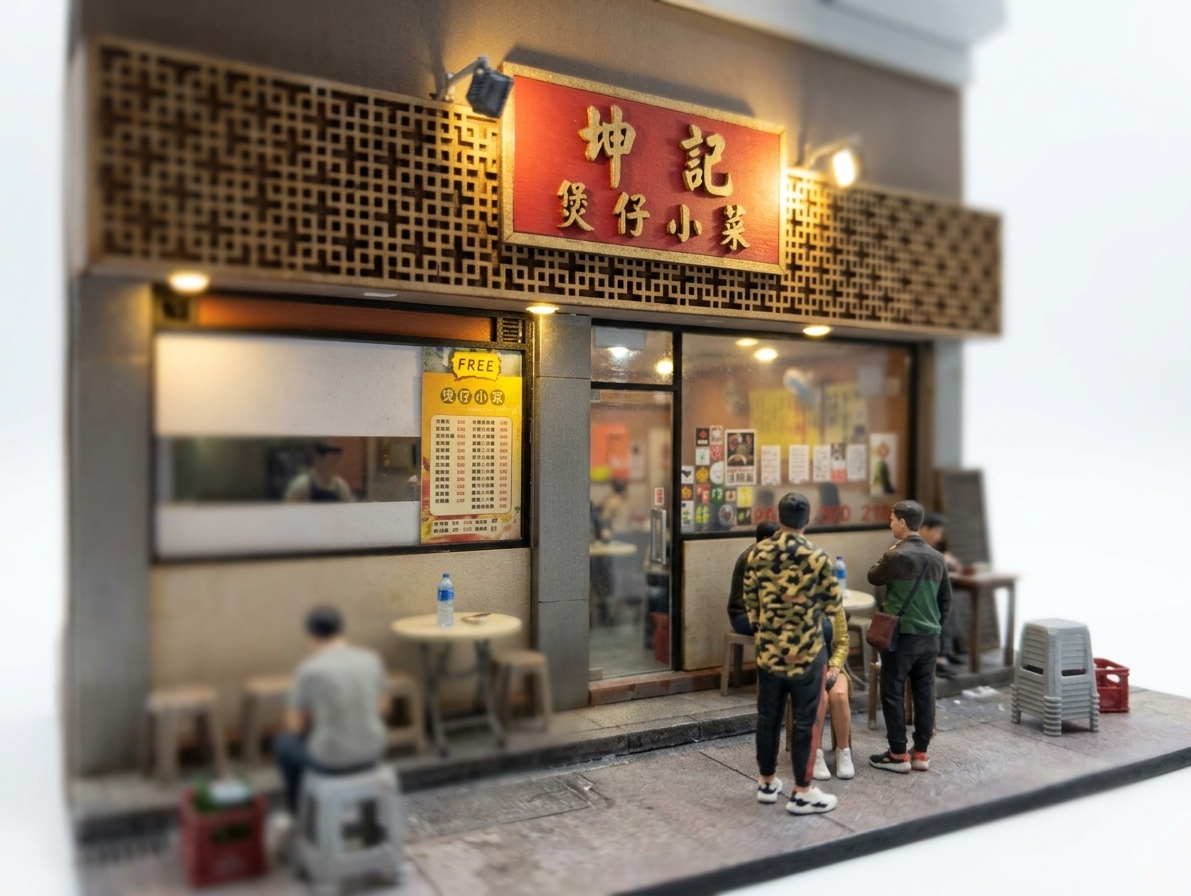
Kwan Kee Clay Pot Rice
Hong Kong, China
Michelin Bib Gourmand clay pot rice specialist in Sai Ying Pun, Hong Kong. Over 30 signature claypot rice dishes cooked over charcoal using a three-rice blend for chewy texture. The scorched rice crust at the bottom is legendary. The claypot rice with Chinese sausage and cured meats is the signature order.
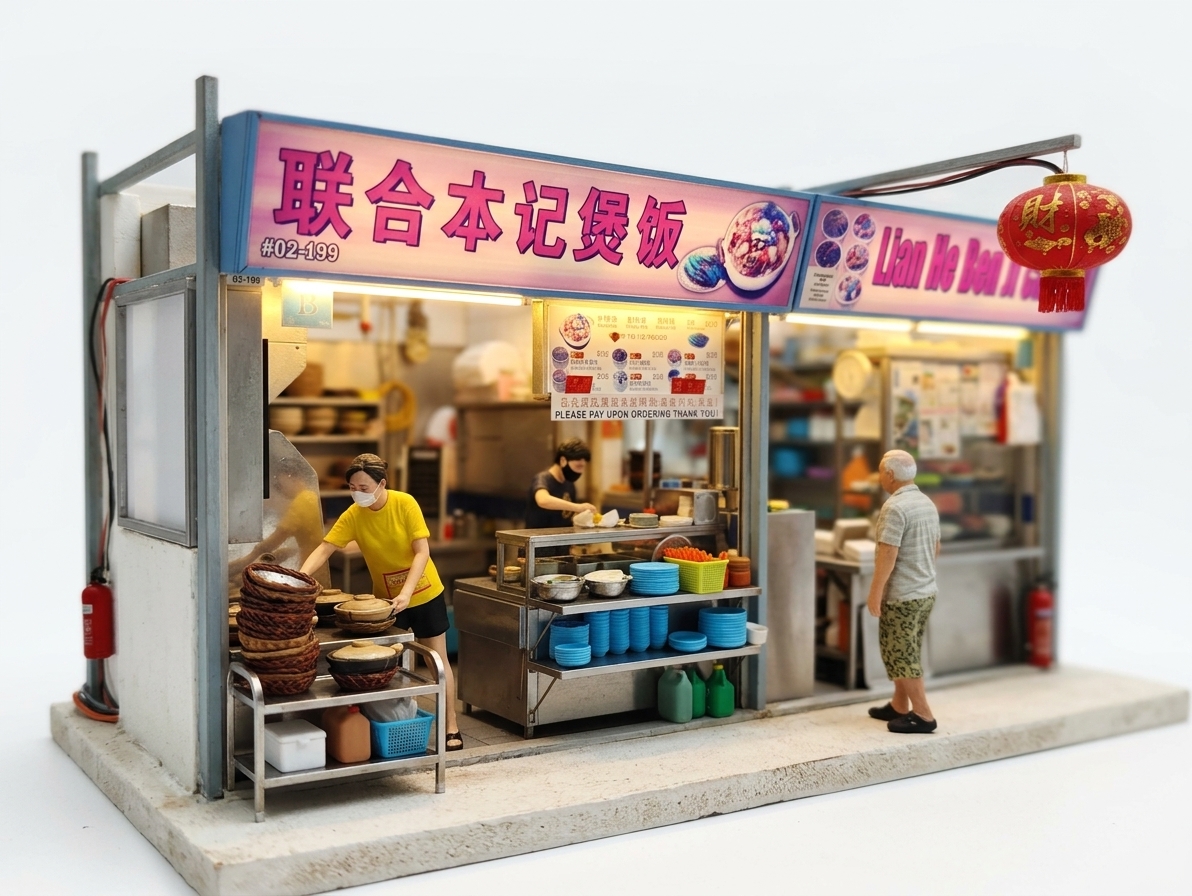
Lian He Ben Ji Claypot Rice
Singapore, Singapore
A 40-year family-run hawker stall in Singapore's Chinatown Complex, holder of a Michelin Bib Gourmand since 2018. Each clay pot is cooked to order over charcoal, taking 30-45 minutes. The lap cheong and waxed meat claypot rice is the signature, with a dark soy sauce caramelized crust at the bottom. Expect a queue.