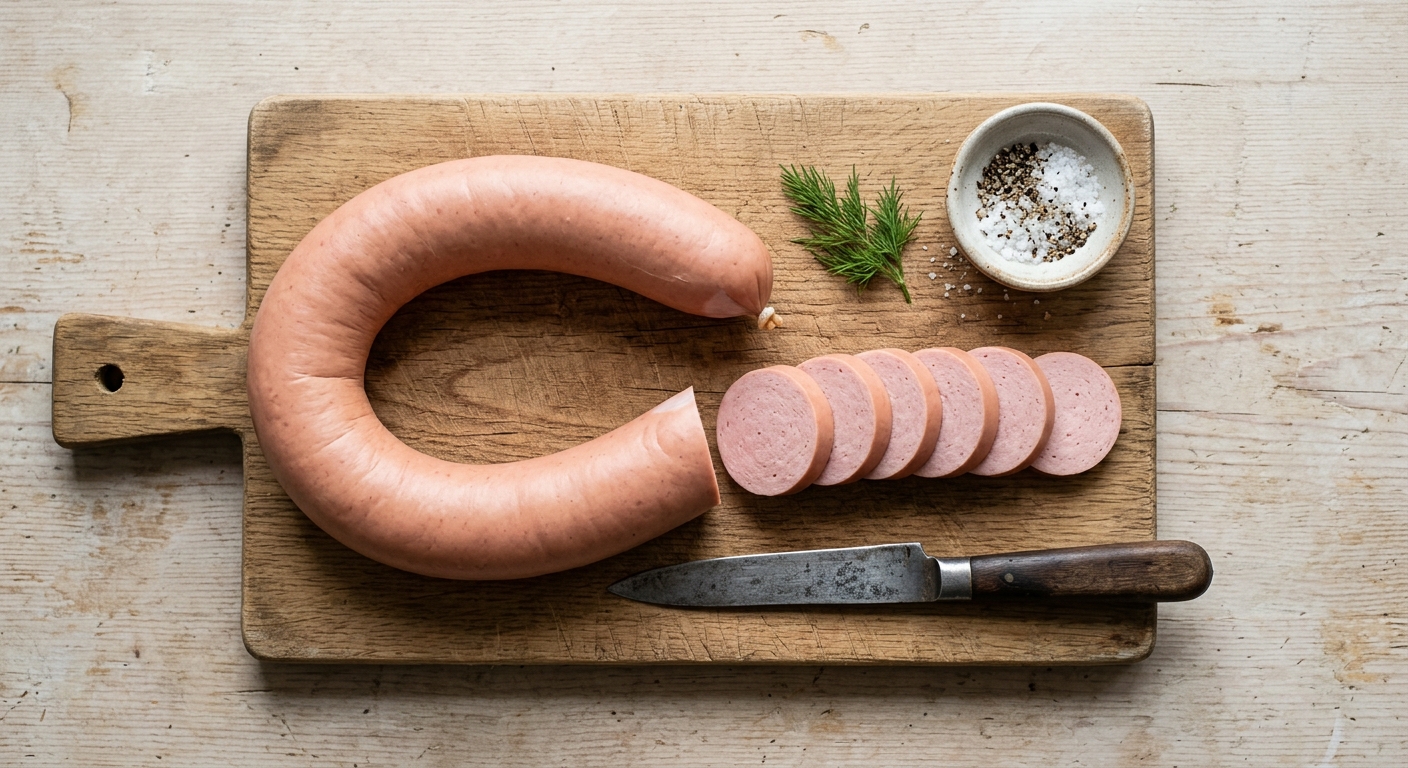
Falukorv
Dalarna, Sweden
Sweden's most eaten sausage: a thick, mild, smoked cylinder of beef and pork that appears on dinner tables from Malmö to Kiruna. Falukorv must contain at least 40% meat under its PGI protection. Swedes consume roughly 30,000 tonnes per year. It comes in two shapes: a large horseshoe ring or a straight log, sealed in red plastic. Cheap, filling, available in every grocery store, and loved across all social classes. No other sausage occupies such a central place in a nation's weeknight cooking.
History
The story starts with copper. In the 17th century, German miners came to work the great copper mine at Falun (Stora Kopparberget) in Dalarna. They brought their sausage-making knowledge. The oxen that hauled ore up from the shafts provided both the hides for hoisting ropes and the beef for sausage filling. Miners' wives stuffed the meat into casings made from those same ox hides. Over the centuries, the recipe simplified and industrialized, but the name stuck. In 2001, Falukorv received Protected Geographical Indication status from the EU. The mine closed in 1992 after nearly a thousand years of operation. The sausage kept going.
Ingredients
Preparation
The meat is ground fine, mixed with potato starch and spices, stuffed into large-diameter casings, and smoked. Falukorv arrives pre-cooked. The most common preparation: slice it 8-10mm thick and fry in butter until the edges brown and the surface blisters. Baking works too, especially for gratins. Some families eat it cold on sandwiches, sliced thin with mustard.
Taste
Mild, smoky, faintly sweet. The spicing is subtle: white pepper and allspice in the background, never sharp. The smokiness stays gentle. This is comfort food, not a flavor challenge. Children love it because nothing about it is aggressive.
Texture
Smooth and fine-ground, with a firm but yielding bite. When fried, the outside develops a crisp, caramelized skin while the inside stays soft and moist. The potato starch gives it a bouncier texture than pure-meat sausages.
Rituals & Traditions
Fry it in butter
The correct fat for frying falukorv is butter. Oil works but misses the point. The butter browns alongside the sausage and forms a nutty, caramelized coating.
Slice thick for frying, thin for sandwiches
For pan-frying, cut 8-10mm slices so the outside crisps while the center stays juicy. For smörgås (open sandwiches), go thin: 3-4mm, cold, with mustard.
Every Swedish child's first sausage
Falukorv is the entry point to meat for most Swedish children. Fried slices with ketchup and macaroni is a preschool lunch staple from Skåne to Norrland. Adults never quite outgrow it.
Do not boil it
Boiling falukorv turns it rubbery and washes out the smoke flavor. Frying or baking are the only acceptable methods. Microwaving is tolerated in emergencies.
Recipes
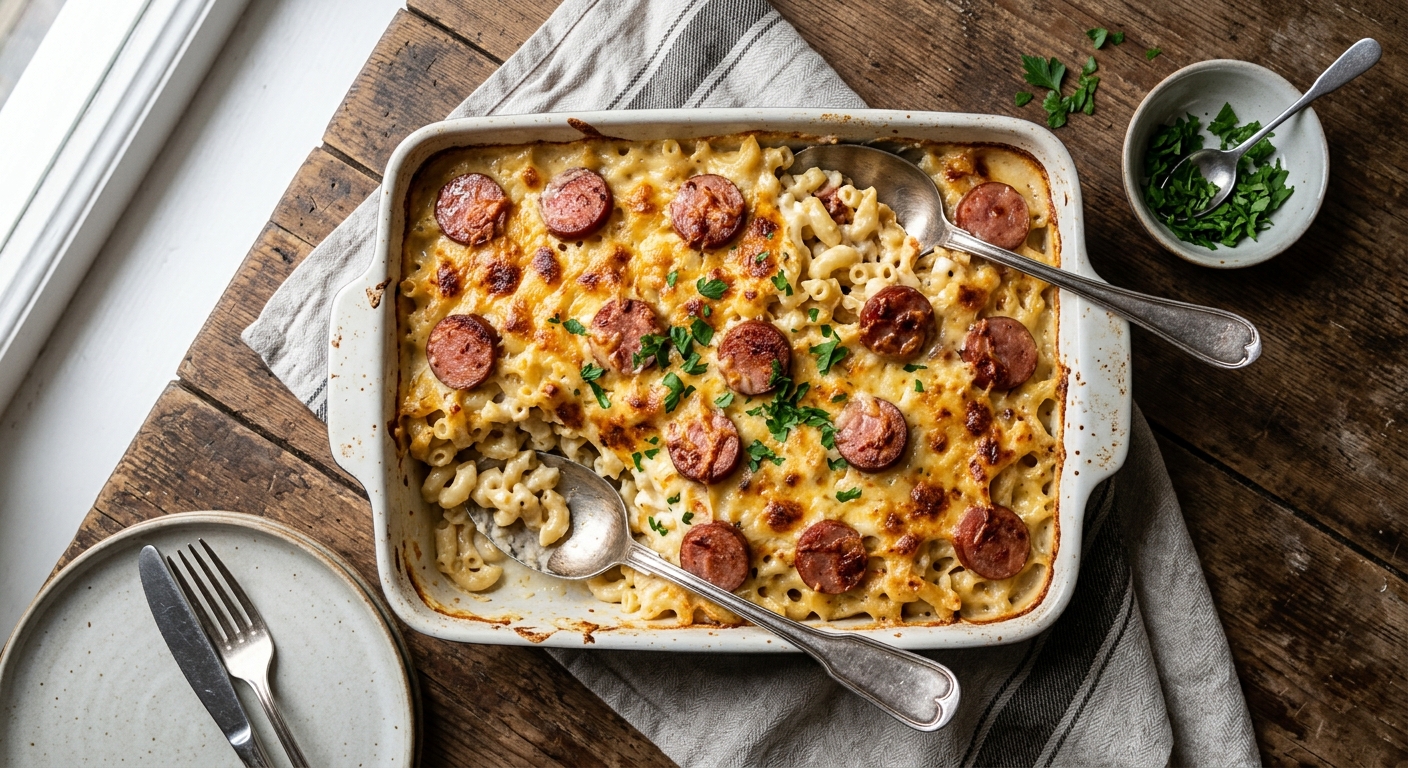
Falukorv Mac and Cheese
Falukorv
Macaroni in a creamy cheese sauce with fried falukorv mixed in. The Swedish take on mac and cheese: less cheddar, more Västerbotten, and sausage in every bite. This is what happens when American comfort food meets a Swedish pantry. Better than either original.
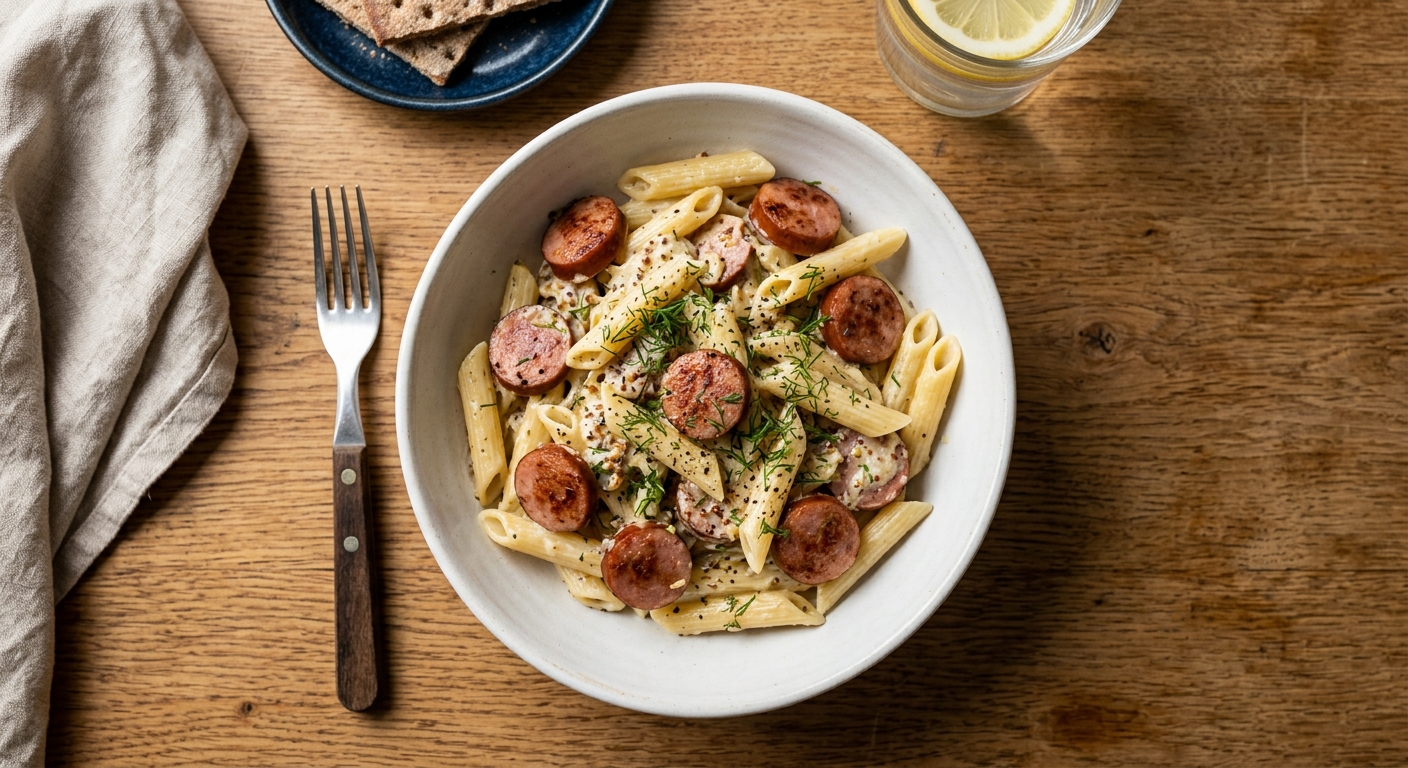
Falukorv Pasta with Cream Sauce
Falukorv
Sliced falukorv tossed with penne in a simple cream sauce with a hit of Dijon mustard. The Swedish version of a pantry-raid dinner. On the table in 20 minutes, and most of that is waiting for the pasta water to boil. No child in Sweden has ever refused this plate.
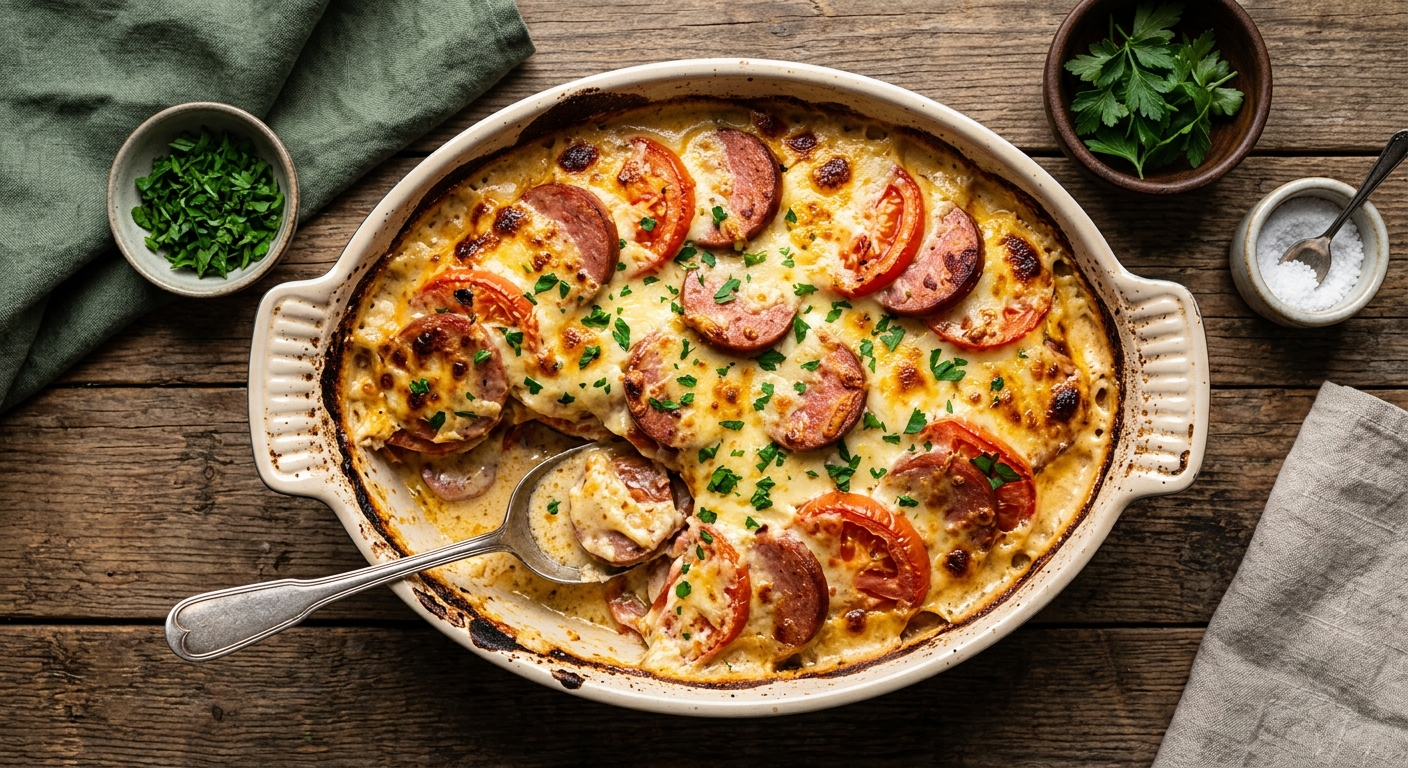
Falukorvsgratäng
Falukorv
Falukorv sliced and layered in a baking dish with tomato, cream, and cheese, then baked until bubbling and golden. A Swedish household staple that turns a budget sausage into something that feels like a proper meal. Children ask for this one by name. The cheese crust is the whole argument.
Korv Stroganoff
Falukorv
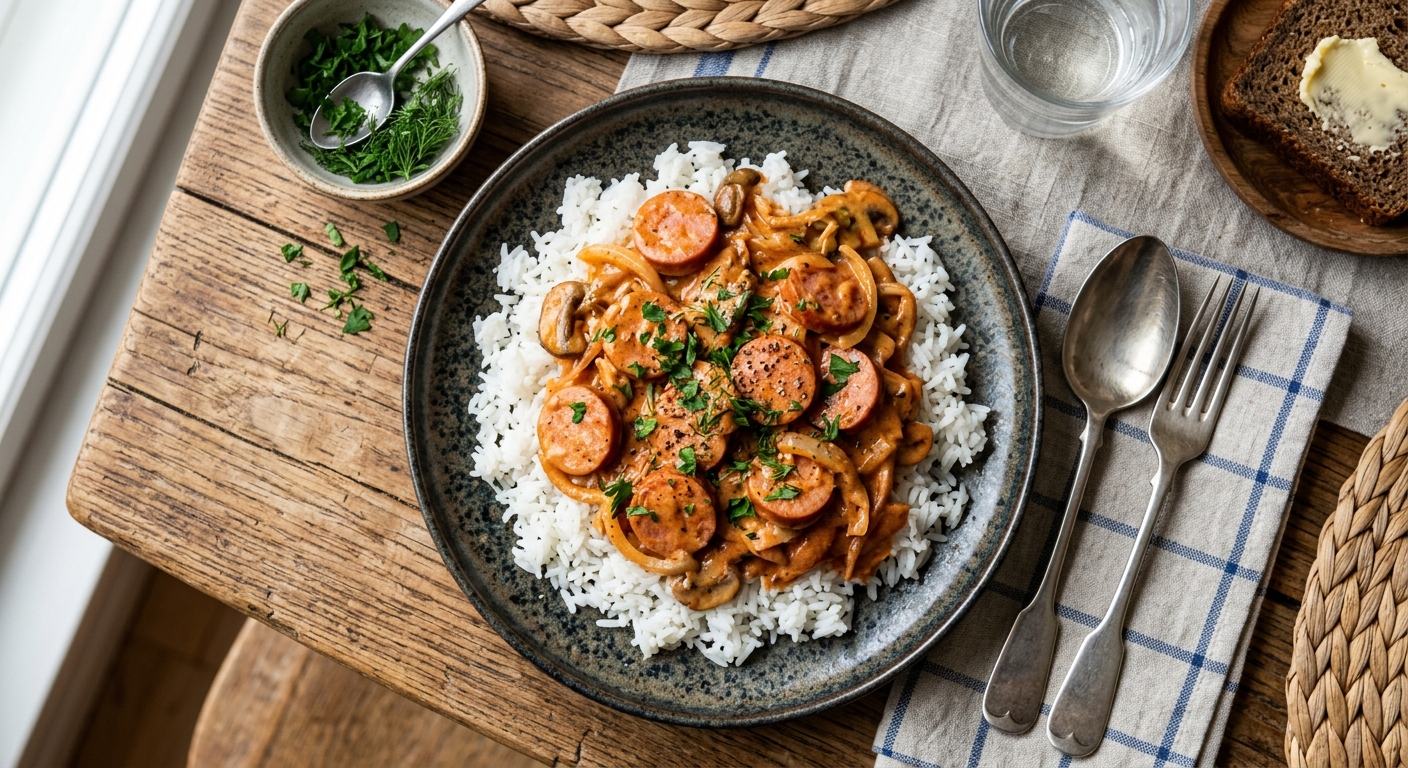
Sweden's answer to beef stroganoff, except cheaper and faster. Falukorv cubes replace the beef, simmered in a sauce of tomato paste, cream, and a splash of soy sauce (the secret Swedish ingredient). Served over rice. This is the dish that kept Swedish students alive through university. It costs almost nothing and feeds a crowd.
Pytt i Panna
Falukorv
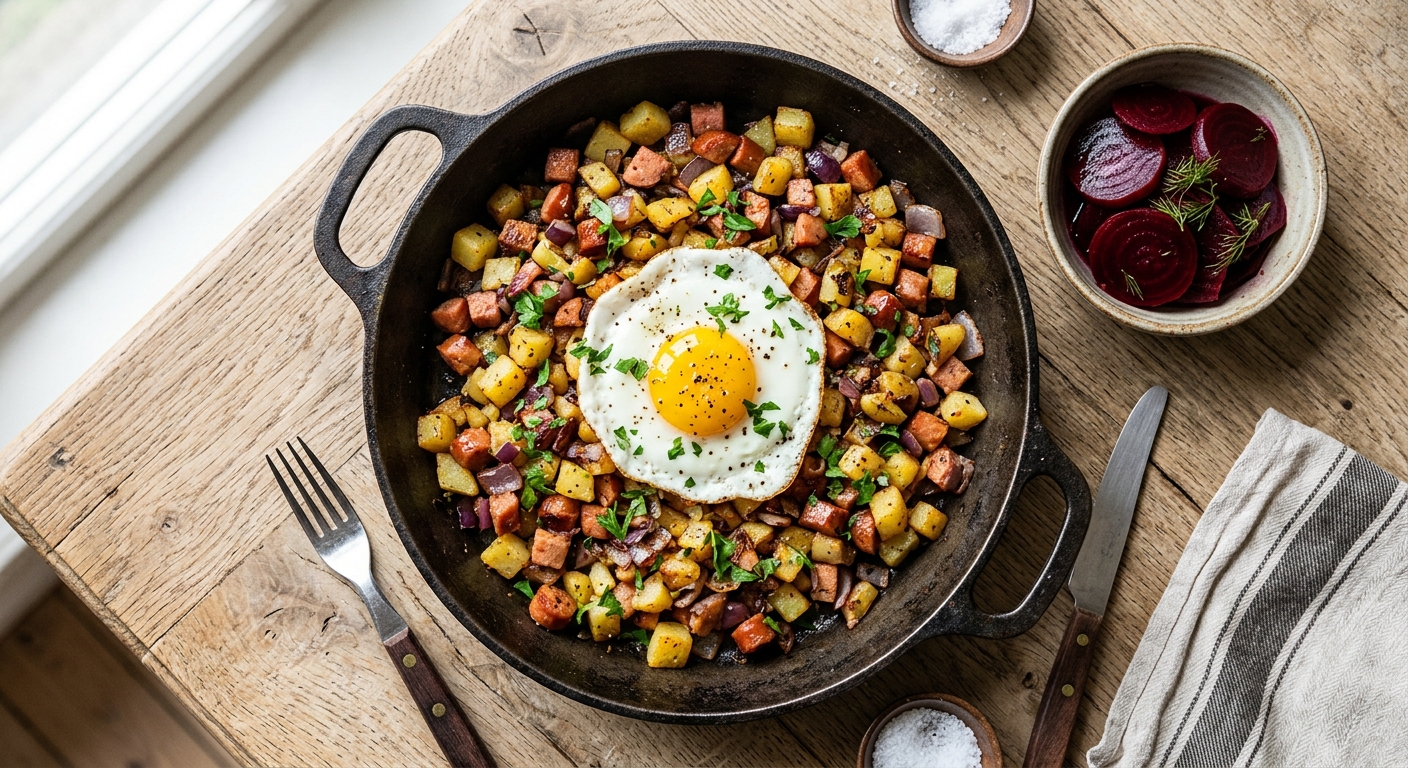
Sweden's answer to leftovers. Diced falukorv, potatoes, and onions fried together in butter until crispy, topped with a fried egg and served with pickled beets. The name means 'small pieces in a pan.' Traditionally a way to use up whatever sat in the fridge, but falukorv is the most common version. Breakfast, lunch, or dinner. It does not care what time it is.
Stekt Falukorv med Potatismos
Falukorv
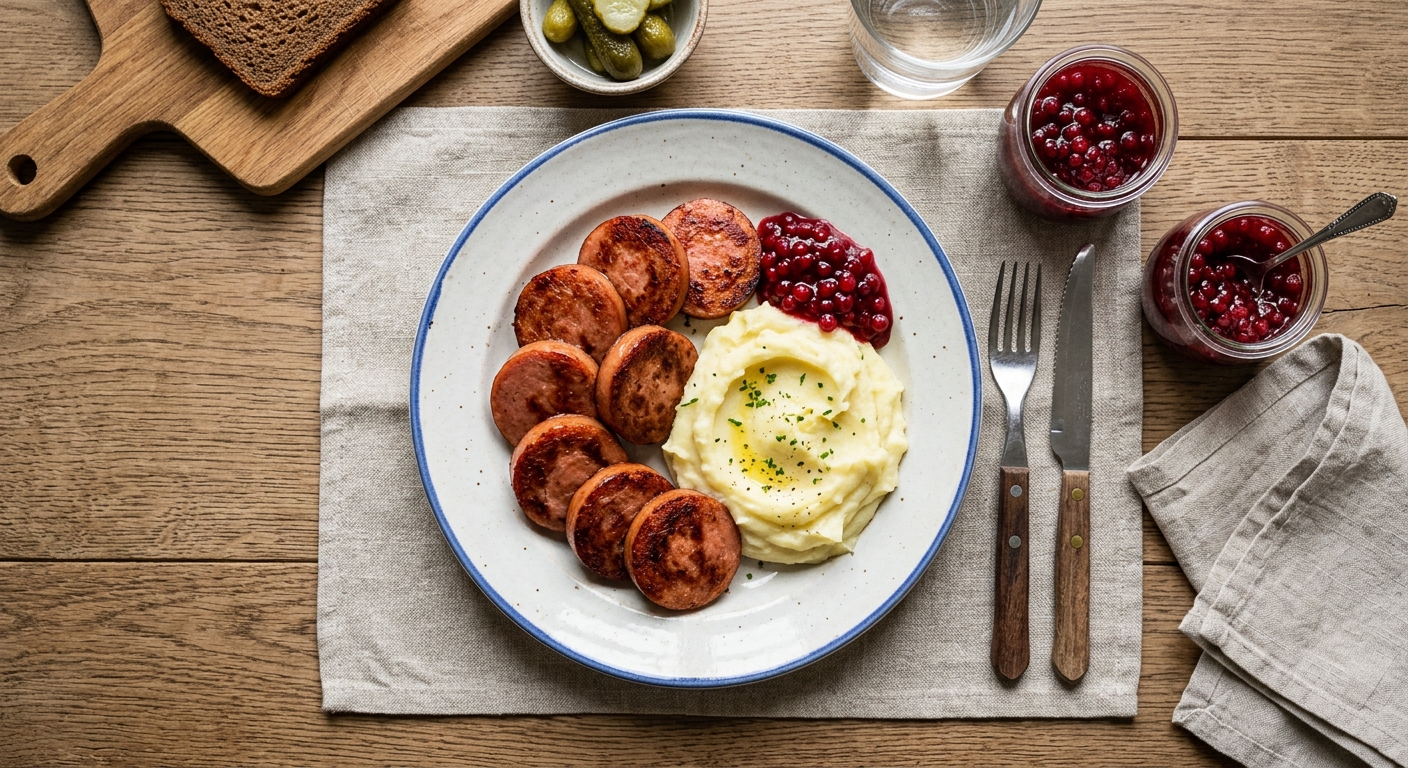
The Swedish default dinner. Thick slices of falukorv fried in butter until blistered and brown, served with creamy mashed potatoes, a spoonful of lingonberry jam, and Swedish mustard. Every family in Sweden has made this hundreds of times. Ten minutes from fridge to plate.
On the Map
Where to Eat
Kalf & Hansen
Gothenburg, Sweden
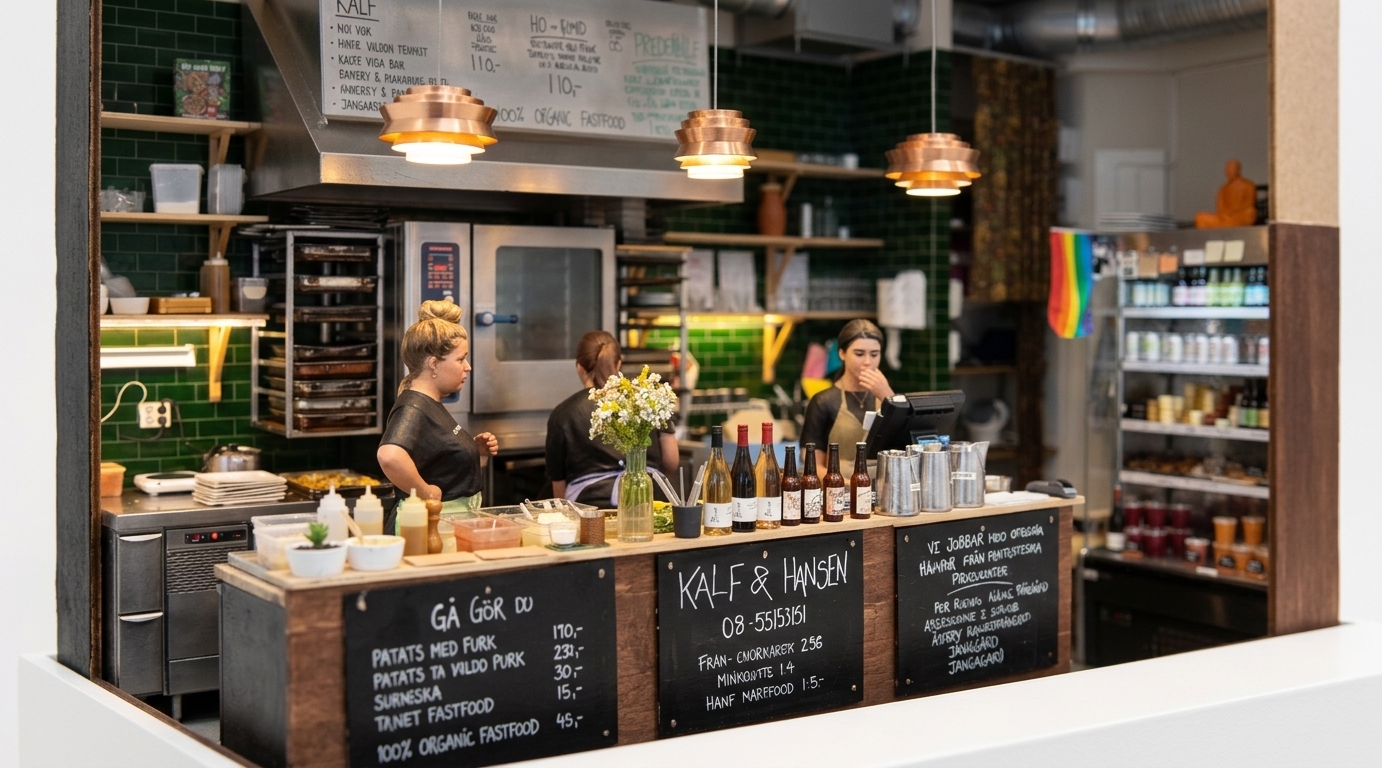
A small restaurant and deli in Gothenburg's Saluhallen Briggen market hall. They focus on traditional Swedish dishes made from high-quality local ingredients. Their stekt falukorv plate comes with creamy mashed potatoes, lingonberry, and a green salad. Simple, well-sourced, no frills. The lunch crowd fills the place by 11:30.
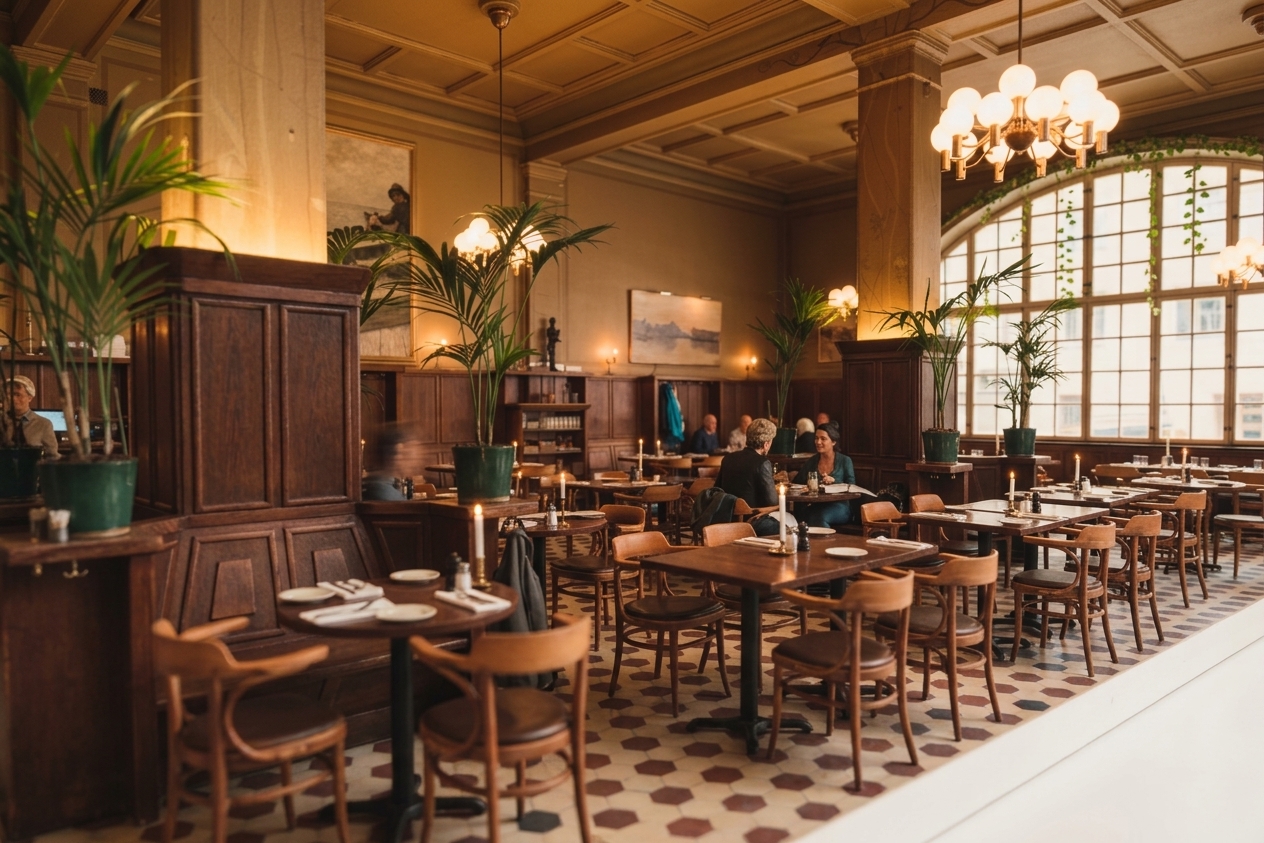
Pelikan
Stockholm, Sweden
A beer hall on Blekingegatan in Södermalm, open since 1904. Dark wood paneling, white tablecloths, and husmanskost (traditional Swedish home cooking) done right. The menu leans on meatballs, herring, and fried falukorv with mashed potatoes and lingonberry. Pelikan does not chase trends. The crowd is a mix of old Södermalm regulars and tourists who read about it somewhere. Loud, warm, unapologetic.