Tip Top

Tip Top

Lima, Peru

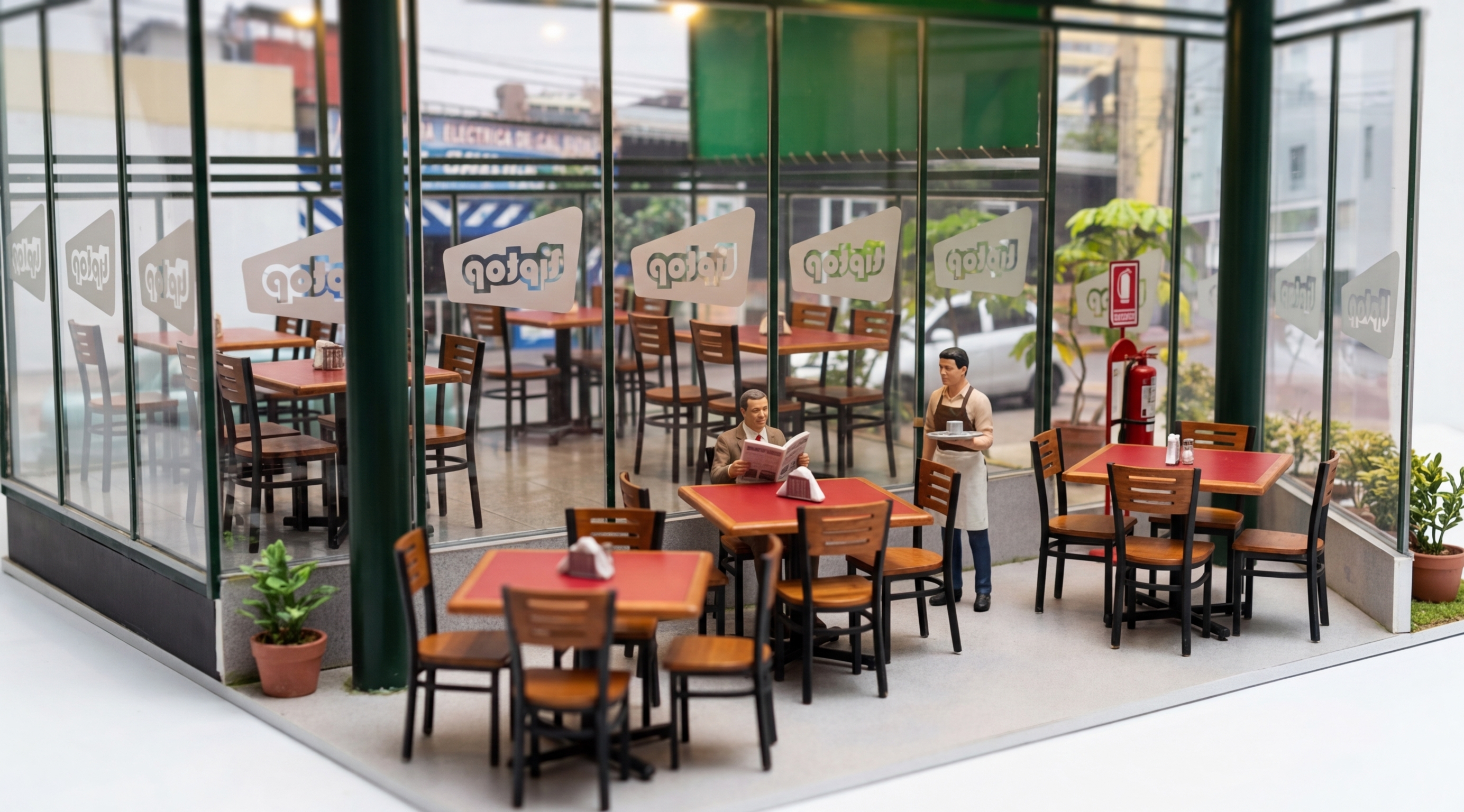
Tip Top opened on Avenida Gral. Antonio Álvarez de Arenales in Lince in 1953, making it one of Lima's first fixed fast food establishments and the place most associated with putting salchipapa on a printed menu. The original concept was a drive-in: customers pulled up, ordered through their car windows, and ate in their vehicles. That format survived for decades. The menu at Tip Top covers the classic Lima fast food repertoire: club sandwiches, chicharrones, milkshakes, and salchipapa in classic and special versions. The salchipapa arrives with rounds of fried frankfurter-style sausage over a pile of fried potatoes, with ketchup, mustard, and mayonnaise on the side. The atmosphere is deliberately unchanged. Formica counters, booths, the same menu items that artists and students ordered in the 1960s and 1970s. Tip Top became a nostalgia landmark as Lima grew around it. Multiple branches now operate across the city, but the Lince original on Avenida Arenales is where the story starts.
Click to activate map

Sausages served here

Salchipapa

Salchipapa

Lima, Peru

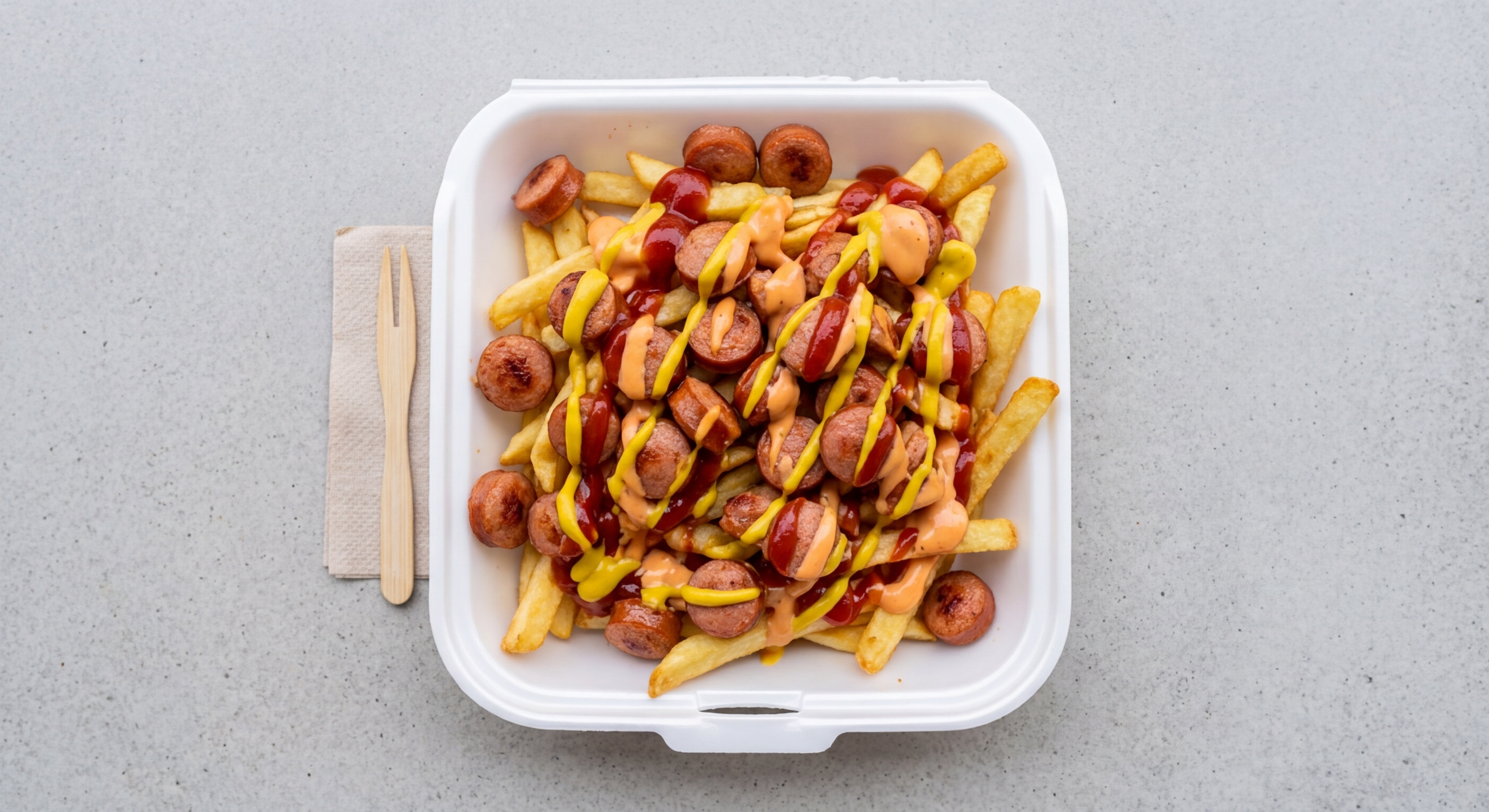
Salchipapa is Lima's working-class street dish: sliced frankfurter-style sausages fried in oil until the cut faces brown, then piled over french fries and dressed with whatever sauces the vendor keeps. The name compresses salchicha (sausage) and papa (potato) into a single word, and the dish is equally compressed: two ingredients, fried, sauced. That economy is the point. Lima street vendors developed it in the 1950s to feed workers and students who needed something fast, cheap, and filling. Tip Top, the drive-in on Avenida Arenales in Lince that opened in 1953, gave it a fixed address. Street carts spread it through every district by the 1970s. Peru now marks the third Sunday of November as Día de la Salchipapa. The dish crossed into Colombia, Bolivia, Ecuador, and Venezuela, each country applying its own toppings. Colombia added quail eggs, corn, and coleslaw, then salsa rosada. Ecuador brought hot sauce. Buenos Aires knows its own version. The sausage used is almost always a smooth, mild frankfurter rather than a coarse-ground sausage: the thin skin blisters in hot oil, the cut faces caramelize at the edges, and the interior stays moist. Slicing the sausage into rounds or coins before frying is non-negotiable; the increased surface area is the whole technique. In Lima, ají amarillo crema and huancaína sauce appear as options. In Bogotá, salsa rosada dominates. At home, the dish takes fifteen minutes. On a street cart, it takes four.

street-foodfriedlatin-america