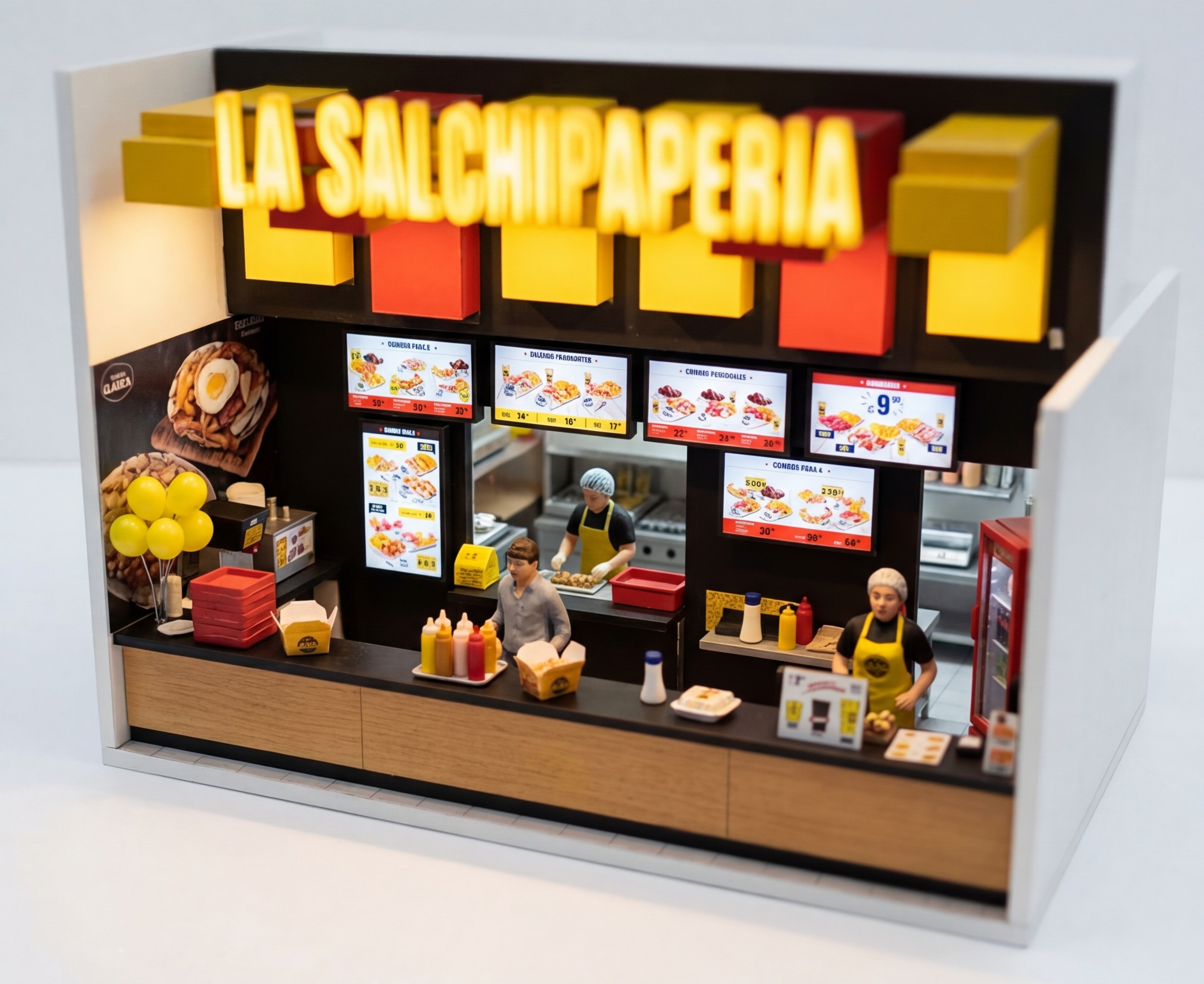
La Salchipapería

La Salchipapería

Lima, Peru

La Salchipapería runs several locations across Lima, with branches in Pueblo Libre, Lince, Miraflores, and San Borja. The Pueblo Libre location on Avenida La Marina is a neighbourhood fixture. The restaurant treats salchipapa as its sole subject: the menu lists a dozen variations, from the classic with three sauces to versions loaded with cheese sauce, ají amarillo cream, and crumbled chicharrón. The sausages are sliced into coins before frying, the potatoes cut thick and fried in oil hot enough to blister the outside. Each order arrives in a paper-lined basket or a wide bowl. Mallko Victoria, one of the people behind the annual Lima celebration of Día de la Salchipapa on the third Sunday of November, is connected to this chain. The shop attracts students, families, and anyone who grew up eating salchipapa from a street cart and wants it indoors without losing the informality.
Click to activate map

Sausages served here

Salchipapa

Salchipapa

Lima, Peru

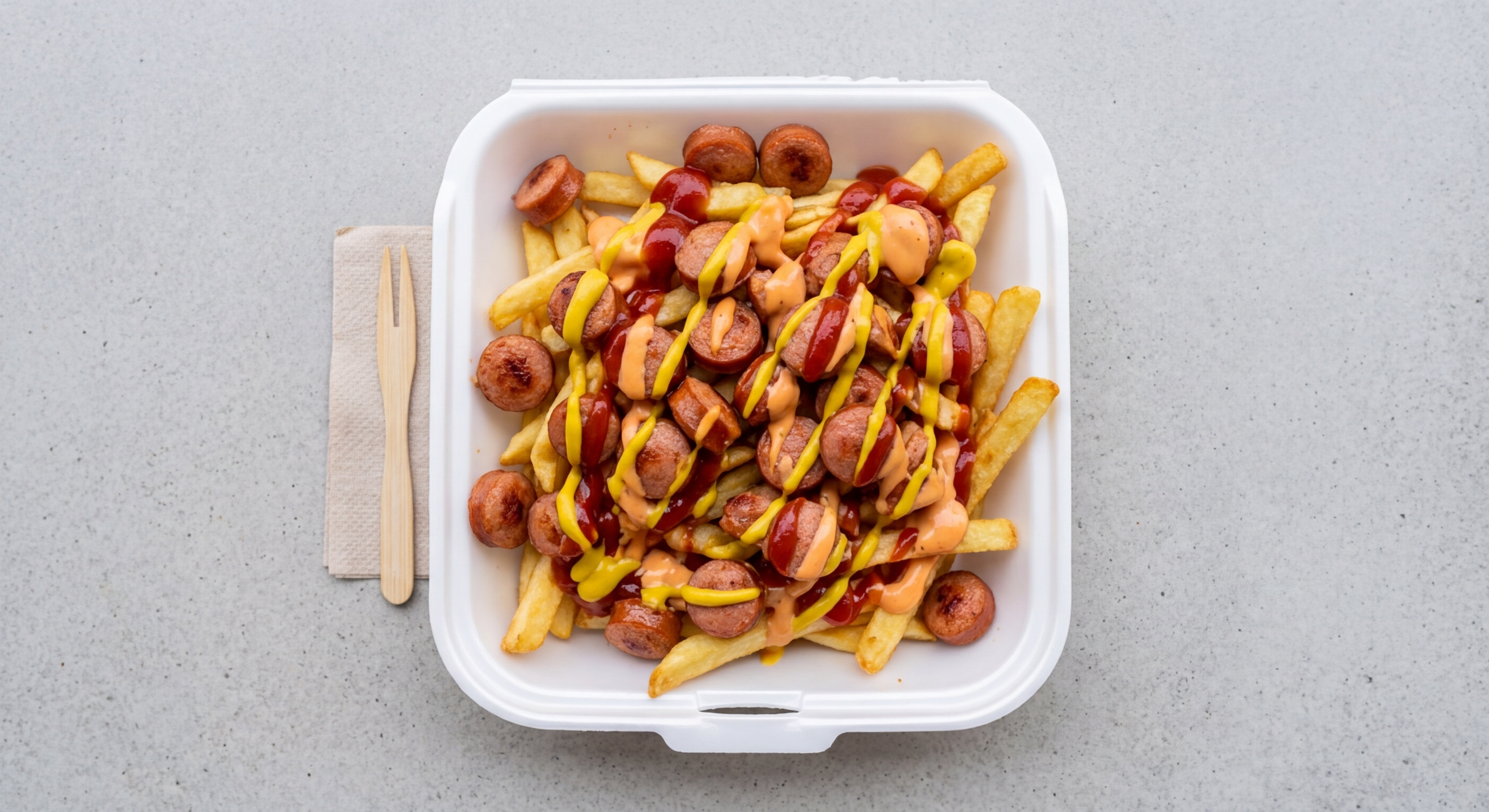
Salchipapa is Lima's working-class street dish: sliced frankfurter-style sausages fried in oil until the cut faces brown, then piled over french fries and dressed with whatever sauces the vendor keeps. The name compresses salchicha (sausage) and papa (potato) into a single word, and the dish is equally compressed: two ingredients, fried, sauced. That economy is the point. Lima street vendors developed it in the 1950s to feed workers and students who needed something fast, cheap, and filling. Tip Top, the drive-in on Avenida Arenales in Lince that opened in 1953, gave it a fixed address. Street carts spread it through every district by the 1970s. Peru now marks the third Sunday of November as Día de la Salchipapa. The dish crossed into Colombia, Bolivia, Ecuador, and Venezuela, each country applying its own toppings. Colombia added quail eggs, corn, and coleslaw, then salsa rosada. Ecuador brought hot sauce. Buenos Aires knows its own version. The sausage used is almost always a smooth, mild frankfurter rather than a coarse-ground sausage: the thin skin blisters in hot oil, the cut faces caramelize at the edges, and the interior stays moist. Slicing the sausage into rounds or coins before frying is non-negotiable; the increased surface area is the whole technique. In Lima, ají amarillo crema and huancaína sauce appear as options. In Bogotá, salsa rosada dominates. At home, the dish takes fifteen minutes. On a street cart, it takes four.

street-foodfriedlatin-america